
Quick Answer
The Taurid meteor shower has two peaks in 2026. The Southern Taurids' fireball peak lands overnight on November 4 to 5, and the Northern Taurids peak around November 11 to 12.
Do not expect a storm of shooting stars. NASA says each branch gives only about five meteors an hour under dark skies. The draw is the chance of a slow, bright fireball that can outshine Venus.
The best time to look is from late evening to the early morning hours, when the constellation Taurus sits high in the sky.
What Are the Taurids?
The Taurids are a meteor shower made of dust and pebbles shed by Comet 2P/Encke. This small comet circles the sun about once every 3.3 years and leaves a wide, spread out trail of debris.
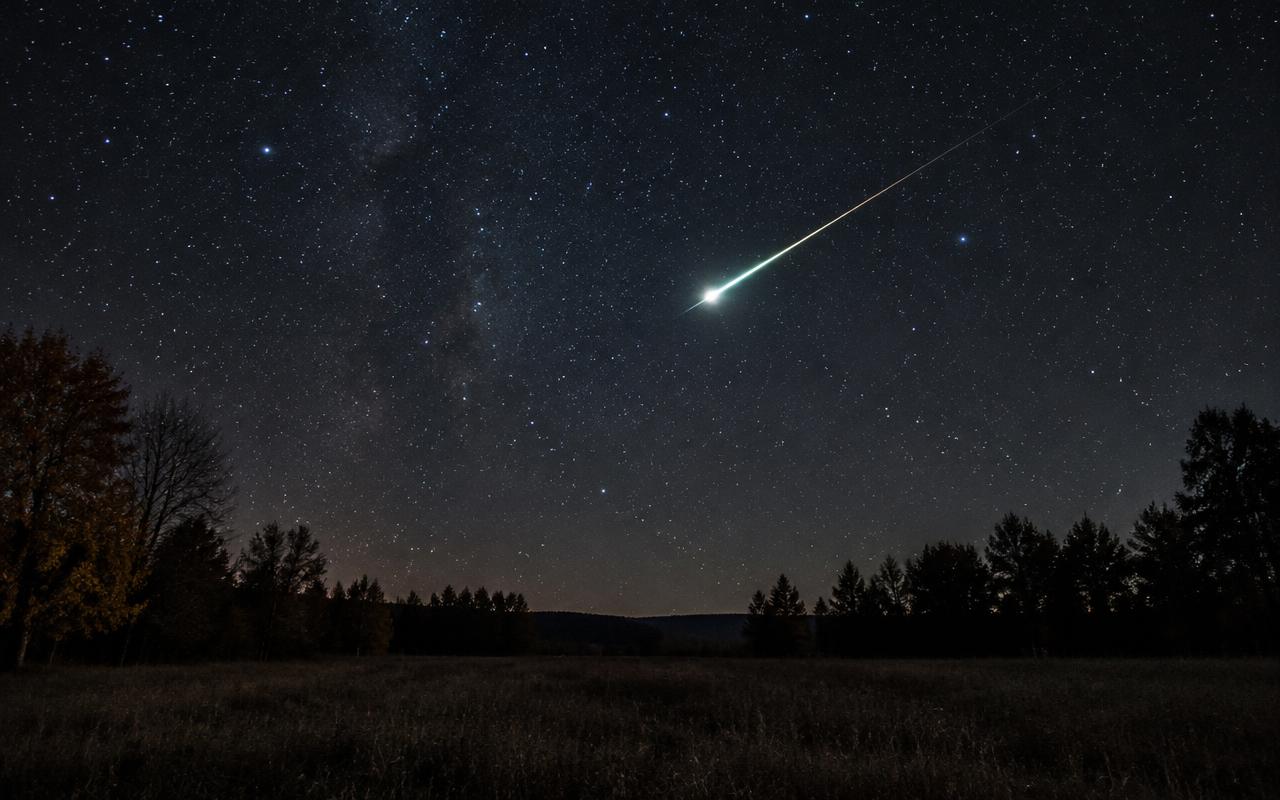
Every autumn Earth passes through that trail. The bits hit our atmosphere at roughly 65,000 miles per hour and burn up as streaks of light.
The shower is named for Taurus because the meteors appear to fly out from that part of the sky. That spot is called the radiant. You do not need to stare at it, since meteors can show up anywhere overhead.
Southern vs Northern Taurids: The Two Peaks
The Taurids are really two showers that overlap. The American Meteor Society lists them like this for 2026:
- Southern Taurids: active September 20 to November 20. An early annual peak came on October 14. The fireball swarm part peaks around November 4 to 5.
- Northern Taurids: active October 20 to December 10, peaking around November 11 to 12.
When both branches run at the same time in late October and early November, fireball reports often climb. That is why early November is the sweet spot for this shower.
How Many Meteors Will I See?
Expect a slow show. NASA puts the rate at around five meteors an hour for each branch, and that is under ideal dark skies. In a town with streetlights you may see one or two an hour.
Compare that with the Geminids in December, which can give dozens an hour. The Taurids are about quality, not quantity.
Taurid meteors also move slowly across the sky. Many last a second or more, which makes them easier to catch and point out to a friend.
Why the Taurids Are Famous for Fireballs
A fireball is a meteor at least as bright as the planet Venus. The Taurid stream contains more pebble sized chunks than most showers, so it throws off more of these bright events.
Some years bring a true fireball swarm, when Earth passes through a dense clump of larger debris. Weather.com reports that 2026 looks like an average year and that the next predicted swarm is not expected until 2032.
Even in an average year, the Taurids are a common source of the fireball reports that light up social media every November.
How Much Will the Moon Interfere?
Moonlight washes out faint meteors, so the moon phase matters a lot. The 2026 timing is kind:
- Southern peak, Nov. 4 to 5: a waning crescent moon about 25 percent lit. That is limited interference.
- Northern peak, Nov. 11 to 12: a thin waxing crescent about 4 percent lit. That is close to a dark sky, the better of the two nights.
If you only go out once, the Northern Taurid peak around November 11 to 12 offers the darkest sky.
Best Time and Place to Watch the Taurids
Taurus rises in the east after dark and climbs through the night. Meteor rates improve as the radiant gets higher, so the hours around midnight and after are the strongest.
The Taurids also have a broad peak. You do not need to be outside at an exact minute. The nights just before and after each peak are almost as good.
For the best odds:
- Get away from city lights. A rural park or a dark backyard works far better than a lit street.
- Give your eyes 20 to 30 minutes to adjust to the dark, and avoid looking at your phone.
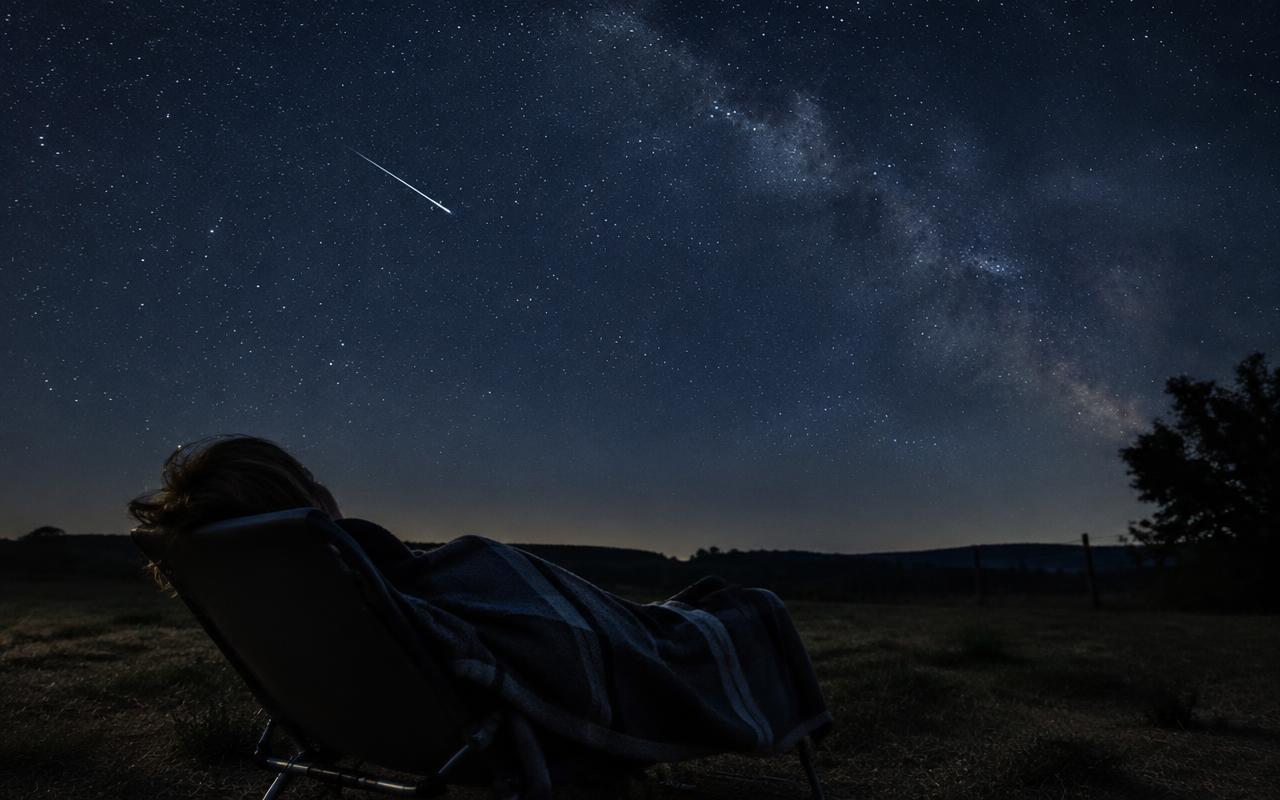
- Lie back and look at a wide patch of sky rather than straight at Taurus.
- Plan to stay out at least an hour. With a rate of about five per hour, patience pays.
What to Bring for a Night of Meteor Watching
November nights get cold fast, and you will be sitting still. A little planning keeps you outside long enough to see something.
- A reclining chair or sleeping pad. Craning your neck gets old in minutes.
- Warm layers and a blanket. Dress for 10 degrees colder than the forecast feels.
- A red flashlight. Red light keeps your night vision intact.
- A hot drink in a thermos. It helps more than you would think.
No telescope or binoculars needed. Meteors move too fast and cover too much sky for optics to help.
Can I Photograph a Taurid Fireball?
Yes, and the slow speed helps. Put a camera on a tripod, use a wide angle lens, and set a long exposure of 15 to 25 seconds. Take continuous shots for an hour and check the frames later.
Many modern phones have a night mode that can catch the brightest fireballs, but a dedicated camera gives far better results.
Other November 2026 Sky Events
The Taurids are not the only show this month. NASA's November skywatching guide also flags these:
- Nov. 15 to 16: Mars and Jupiter appear about 1.2 degrees apart before sunrise.
- Nov. 17 to 18: the Leonid meteor shower peaks before dawn, with up to about 15 meteors an hour under ideal skies.
- Nov. 24: a full supermoon, the first of three in a row.
That makes November one of the busier months of the year for casual stargazers.
FAQ
What night is best for the Taurids in 2026?
November 4 to 5 for the Southern branch and November 11 to 12 for the Northern branch. The second has the darker sky.
Are Taurid fireballs dangerous?
No. Almost all Taurid debris burns up high in the atmosphere. A fireball is a light show, not a threat.
Can I see the Taurids from the Southern Hemisphere?
Yes. Taurus is visible from most of the world, so viewers in Australia, South America and southern Africa can watch too.
Do I need to look toward Taurus?
No. Meteors appear all over the sky. Looking about 45 degrees away from the radiant often shows longer trails.
The Bottom Line
The Taurids peak twice in early November 2026, on Nov. 4 to 5 and Nov. 11 to 12. Rates are low, about five an hour, but the shower's slow, bright fireballs make a dark sky and a little patience worth it.
Pick the darker Northern peak if you can, dress warmly, and give it at least an hour.