
Quick Answer
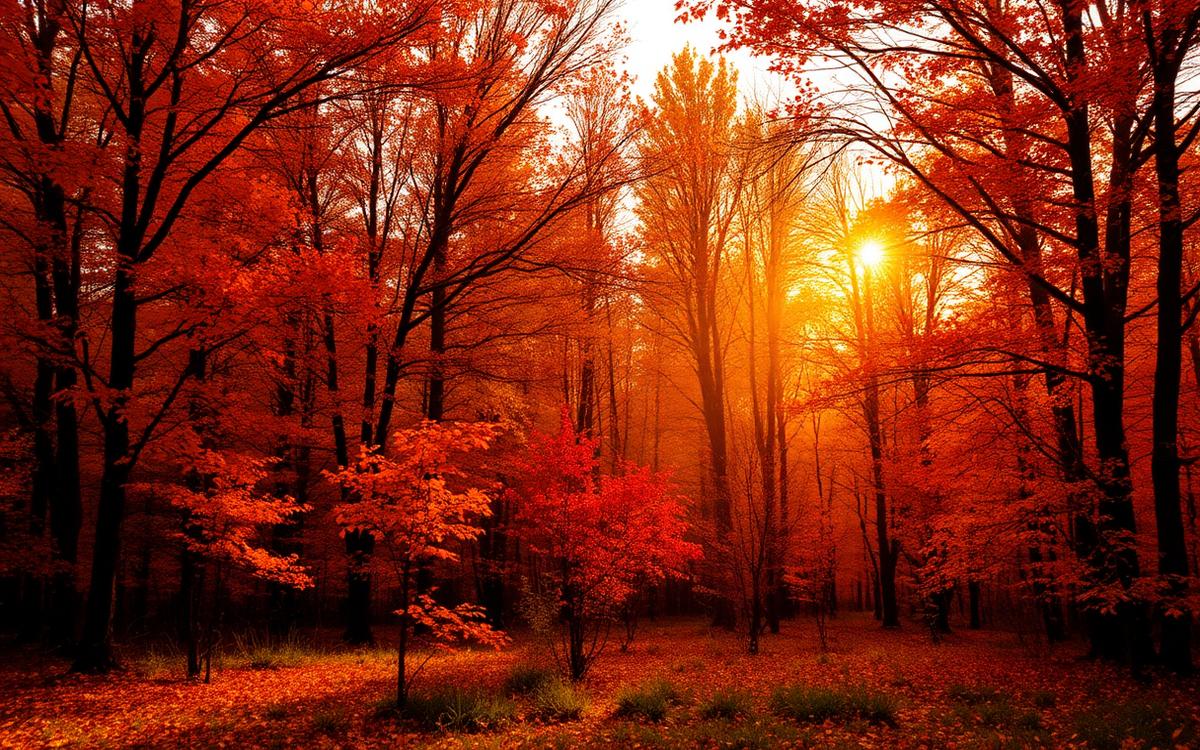
Leaves change color in the fall because trees stop making chlorophyll, the green pigment used for photosynthesis, as nights get longer and cooler.
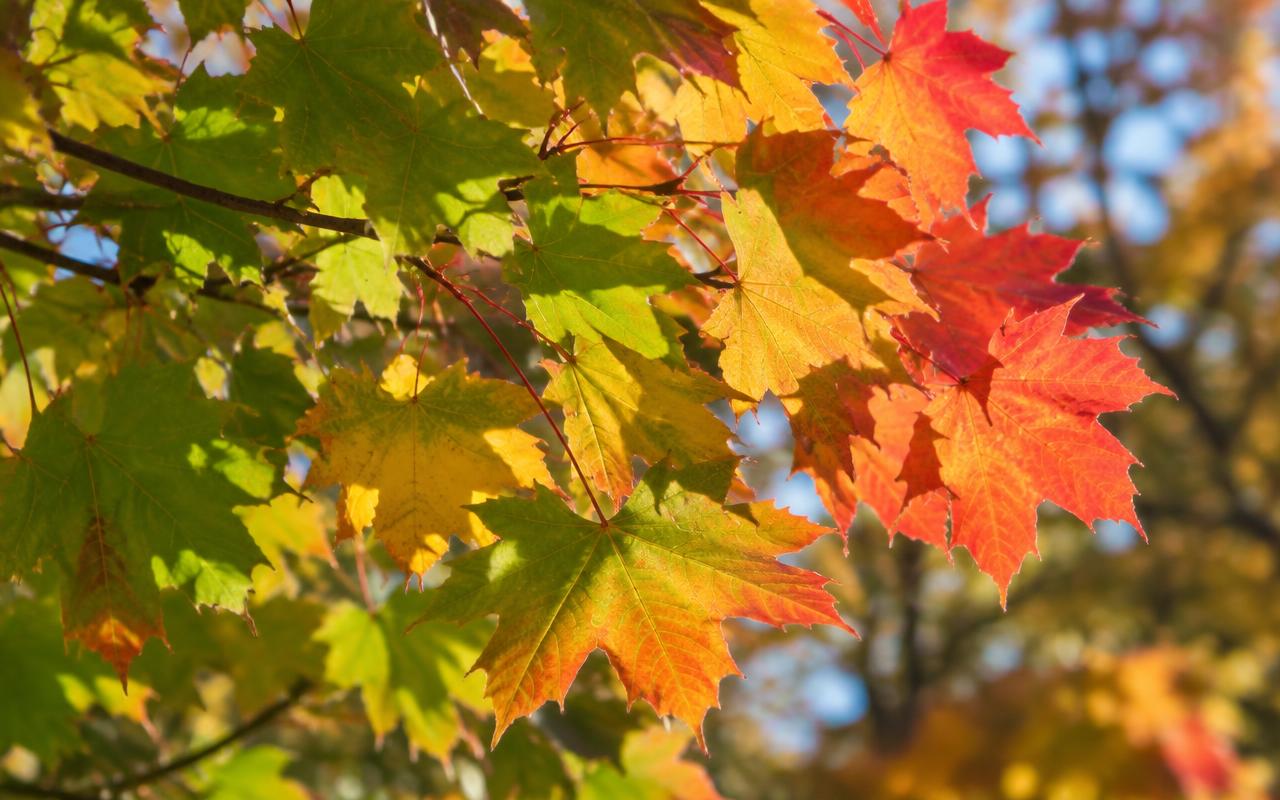
As the green fades, yellow and orange pigments called carotenoids, which were there all summer, finally show through. Some trees also make new red and purple pigments called anthocyanins.
Weather decides how bright the show is. Sunny days and cool, but not freezing, nights give the best reds.
What Makes Leaves Green in Summer?
Leaves are green because they are packed with chlorophyll. Chlorophyll captures sunlight and powers photosynthesis, the process that turns water and carbon dioxide into sugars that feed the tree.
During the growing season, trees keep making fresh chlorophyll. There is so much that it hides every other color in the leaf.
What Triggers the Color Change?
According to the US Forest Service, the timing is mainly controlled by the calendar, through the steady increase in night length. Temperature and rain vary from year to year, but night length does not.
As nights grow longer, a layer of cells forms where the leaf stem meets the branch. It slowly cuts off the flow of water and nutrients, and chlorophyll production stops.
Which Pigments Create Fall Colors?
Three pigment types are involved:
- Chlorophyll: green. It breaks down and disappears in fall.
- Carotenoids: yellow, orange and brown. These are the same pigments found in carrots, corn and bananas. They are in the leaf all year.
- Anthocyanins: red and purple. These are the pigments in cranberries, red apples and cherries. Most are made fresh in autumn.
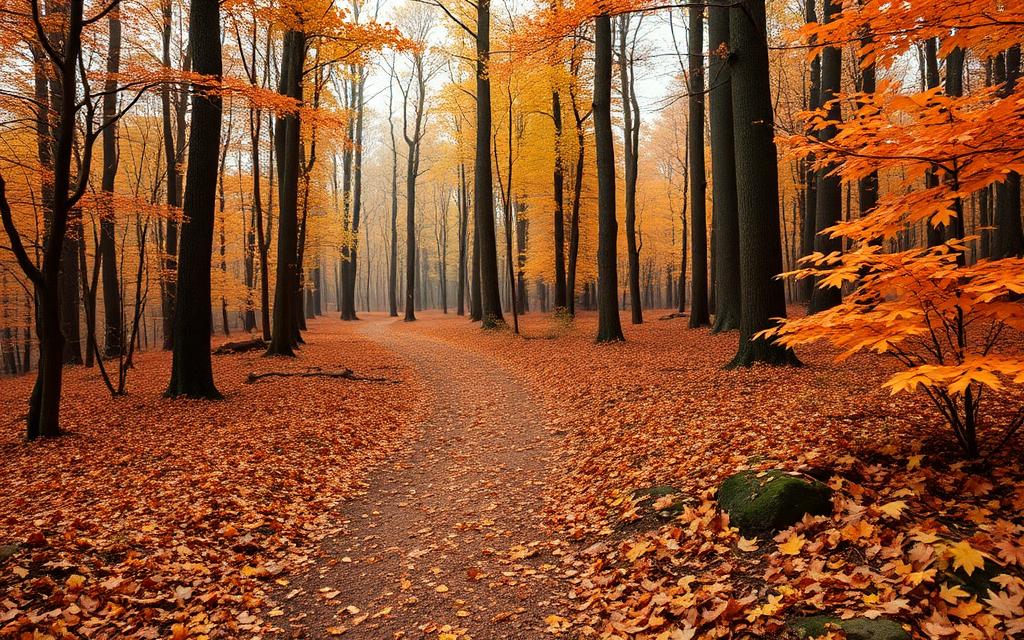
Why Are Some Leaves Yellow and Others Red?
Yellow and orange leaves appear when chlorophyll fades and the carotenoids already in the leaf are unmasked. Birch, hickory, aspen and tulip poplar are classic yellow trees.
Red leaves need extra work. Bright light and sugars trapped in the leaf trigger the production of anthocyanins. Red maples, sugar maples, sumac, dogwood and some oaks put on the strongest reds.
Brown leaves come from tannins, which remain after other pigments break down. Many oaks turn brown or russet.
How Does Weather Affect Fall Color?
The Forest Service explains that a run of warm, sunny days and cool, crisp nights gives the most spectacular colors.
- Sunny days: leaves keep making sugar.
- Cool nights (above freezing): the sugars get trapped in the leaf, fueling red anthocyanins.
- Early hard frost: can kill leaves before colors peak, leaving them brown.
- Drought: can delay color or cause leaves to drop early.
- A wet, warm fall: often gives duller colors.
Why Do Trees Drop Their Leaves?
Broad, thin leaves lose a lot of water and would freeze in winter. Shedding them helps deciduous trees save water and energy while they rest.
The layer of cells that blocked the leaf's supply line also creates a clean break point. Once it is complete, wind or rain knocks the leaf free and a protective seal forms on the branch.
Why Do Evergreens Stay Green?
Pines, spruces and firs have needles with a waxy coating and less surface area. They lose little water and can handle freezing, so they keep their needles for several years and replace them gradually.
Does Fall Color Happen Everywhere?
The brightest displays happen in places with lots of deciduous trees and cool autumn nights. In the United States, New England, the Upper Midwest, the Appalachians and the Rocky Mountains, with their golden aspens, are famous.
Peak color moves from north to south and from high elevations down to valleys over several weeks, usually from late September into early November.
Which Trees Turn Which Colors?
The Forest Service lists typical colors for common trees:
- Oaks: red, brown or russet
- Hickories: golden bronze
- Aspen and yellow poplar: golden yellow
- Dogwood: purplish red
- Beech: light tan
- Sourwood and black tupelo: crimson
- Sugar maple: orange red
- Red maple: brilliant scarlet
- Black maple: glowing yellow
Even one tree can show several colors at once, since the sunniest side often turns red first.
Why Do Trees Make Red Pigment at All?
Scientists are still studying this. One leading idea is that anthocyanins act like sunscreen, shielding the fading leaf from bright light while the tree pulls valuable nutrients such as nitrogen back into its branches before the leaf drops.
Another idea is that the red color may discourage some insects. Both may play a role.
How Can You Find Peak Color Near You?
Many state tourism and park agencies publish weekly foliage reports in fall. The Forest Service also runs a fall color hotline with regional updates.
Go on a sunny day, when colors glow brightest, and look for mixed forests along rivers and hillsides for the widest range of shades.
Can You Keep Leaf Colors After They Fall?
Yes, for crafts and decorations. Press fresh, colorful leaves between sheets of paper inside a heavy book for one to two weeks. They flatten and dry while keeping much of their color.
For a quicker method, place a leaf between two sheets of wax paper, cover with a towel and press with a warm iron for a few seconds per side. The wax seals the surface.
Pressed leaves fade slowly in sunlight, so display them away from bright windows. Pick leaves that are still flexible and freshly fallen, since brittle brown leaves crumble.
It is a simple way to show kids the science in action: the reds and yellows you saved are the same pigments described above.
Frequently Asked Questions
Do the yellow colors appear or were they always there?
They were always there, hidden by green chlorophyll.
Why are some years more colorful?
Sunny days and cool, frost free nights in early fall boost reds.
Does rain ruin fall colors?
A little rain is fine. Long wet, warm stretches tend to dull them.
What should I do with fallen leaves?
Shred them for mulch or compost them rather than bagging them.
The Bottom Line
Leaves change color because longer nights shut down chlorophyll. That reveals yellow and orange carotenoids and lets some trees make red anthocyanins.
Sunny days and cool, frost free nights produce the most brilliant reds, while early frost and drought can cut the show short.