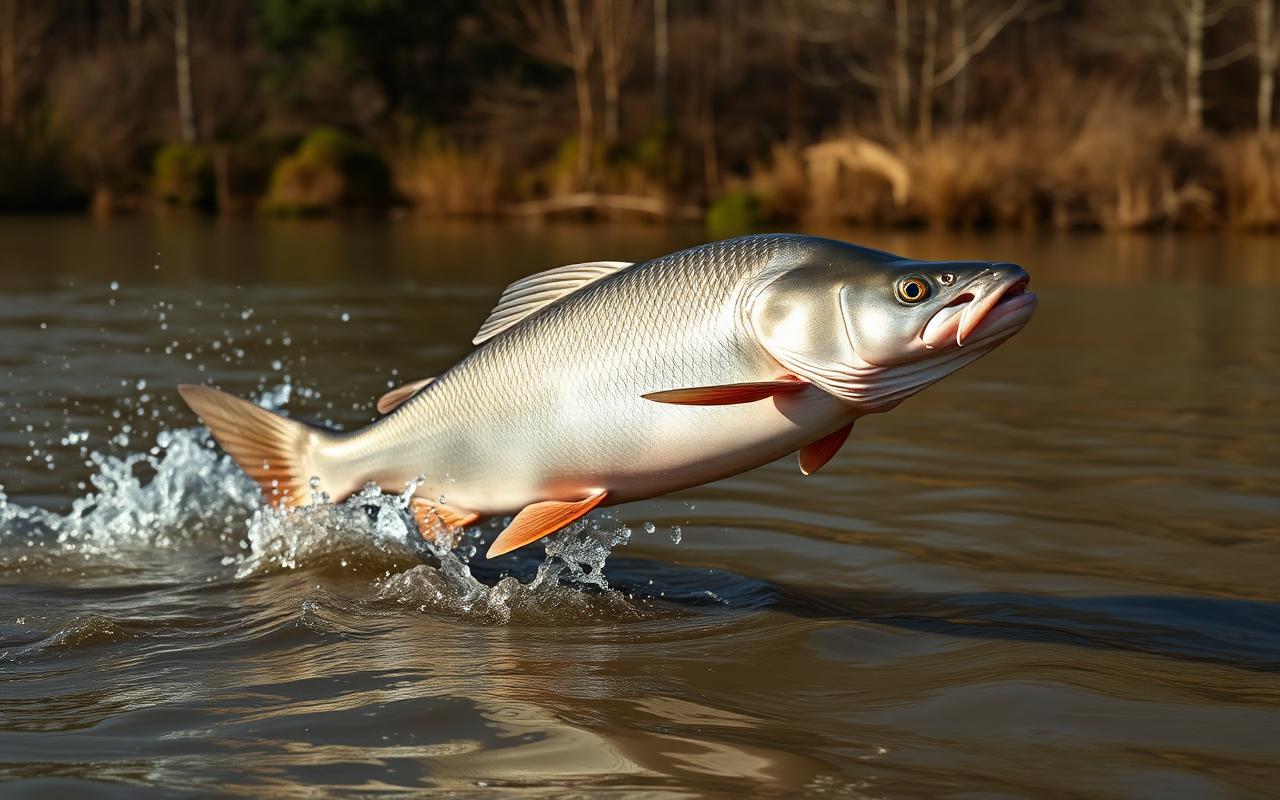
Quick Answer
Bighead carp are a problem because they eat the base of the food web. They filter plankton in enormous quantities, which removes the food that native fish larvae and mussels depend on.
They grow fast, reach large sizes, have few natural predators in North American rivers and reproduce in large numbers where flowing water lets their eggs stay suspended.
The main policy concern is spread. Keeping them out of the Great Lakes has driven barrier projects, monitoring programmes and commercial harvesting efforts across the Mississippi basin.
How They Got Here
Bighead carp are native to eastern Asia. They were imported to the United States in the 1970s for use in aquaculture ponds and water treatment facilities, where their filter feeding was seen as a cleaning service.
Flooding did the rest. Ponds overtopped, fish reached connected waterways, and populations established in the Mississippi River system and its tributaries.
Once in a large river network with no barriers, an invasive species with high fecundity and broad tolerance for water conditions spreads along the channels rather than needing to be moved again.
What Makes Them So Effective
Bighead carp are filter feeders with specialised gill structures that let them strain small particles from water as they swim.
- Volume: a large adult processes a great deal of water each day, concentrating plankton that would otherwise feed other species.
- Size: they can exceed 40 kilograms, which puts adults beyond the reach of most native predators.
- Growth: rapid early growth shortens the window in which they are vulnerable.
- Output: a mature female can release very large numbers of eggs in a single spawning season.
The combination matters more than any single trait. A species that eats low on the food chain, grows out of predation risk quickly and reproduces heavily is difficult to suppress once established.
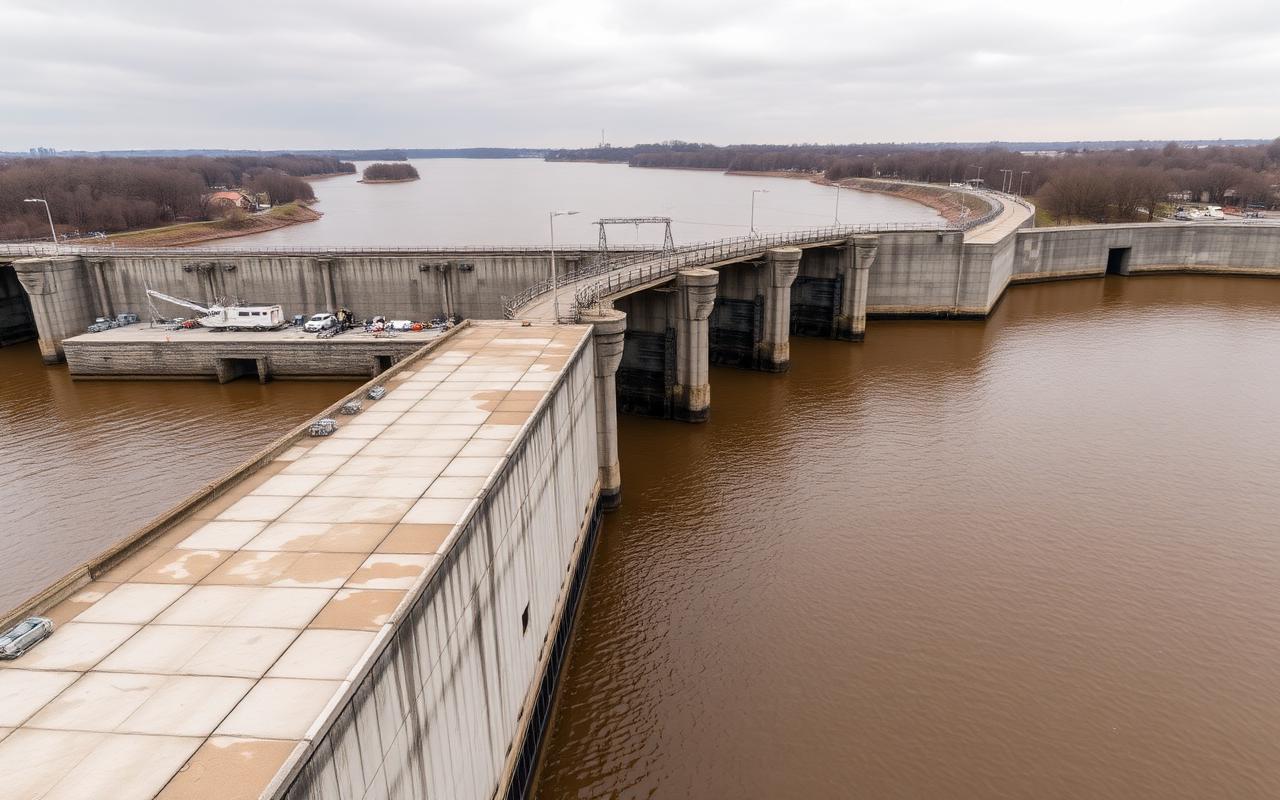
Why the Great Lakes Are the Focus
The Mississippi basin and the Great Lakes are artificially connected through canal systems built for shipping, which means a fish in one can, in principle, reach the other.
The Great Lakes support a large fishery, and managers have argued that a plankton stripping species establishing there would put existing commercial and recreational fisheries under pressure.
That is why control effort concentrates on chokepoints. Electric barriers, acoustic deterrents and engineered defences at lock and dam sites are all attempts to make a specific stretch of water hard for carp to pass.
Barriers are imperfect by design. They reduce probability rather than guaranteeing exclusion, and they have to work while commercial barge traffic keeps moving through the same channel.
Bighead Carp Versus Silver Carp
Popular coverage often blends the two species together, and the confusion has a visible cause.
Silver carp are the fish that jump. They are startled by boat motors and can launch clear of the water, which produces the videos most people have seen and the injuries occasionally reported.
Bighead carp generally do not jump. Their damage is quieter and ecological, delivered through competition for plankton rather than through collisions.
Both are grouped with grass carp and black carp under the invasive carp label, and management programmes usually treat them together because they share waterways.
What Is Being Done
Control programmes run on several tracks at once, because no single method removes an established population from a large river.
- Contracted harvest: paying commercial fishers to remove carp in bulk from target reaches.
- Deterrent technology: electric, acoustic and bubble barriers at strategic points.
- Monitoring: environmental DNA sampling to detect presence before fish are visible in nets.
- Market development: encouraging commercial demand for the fish so that harvest becomes self sustaining.
The marketing effort is why the fish is now often sold under the name copi in the United States. Rebranding was a deliberate attempt to separate a mild, edible whitefish from the negative associations of the word carp.
Can You Eat Them?
Yes. The flesh is white, mild and lean, and the fish feeds low on the food chain, which generally means lower accumulation of contaminants than long lived predatory species.
The practical obstacle is bones. These carp have intramuscular bones that make standard filleting awkward, which is why much of the commercial product is minced, ground or scored rather than sold as plain fillets.
Eating them is not a solution on its own, but a reliable market does change the economics of removal, which is the point of the effort.
What the Damage Looks Like in Practice
Ecological harm from a filter feeder is hard to photograph, which is part of why bighead carp get less attention than the jumping species.
- Fewer larvae surviving: young native fish that depend on zooplankton lose their first food source.
- Mussel decline: native mussels filter the same water and compete for the same particles.
- Shifted fisheries: in heavily invaded reaches, invasive carp can account for a large share of total fish biomass.
- Recreation effects: boating and angling change when a river's fish community changes.
Those effects accumulate slowly and are easy to attribute to other causes such as pollution or habitat loss, which makes long term monitoring more valuable than any single survey.
What Individuals Can Actually Do
Most spread of aquatic invasive species happens through human movement of water, gear and bait rather than through the fish swimming there themselves.
- Clean, drain, dry: rinse hulls and gear, drain live wells and bilges, and let everything dry before moving between waters.
- Never move live fish: transporting live catch between water bodies is the single most effective way to start a new population.
- Do not dump bait: unused bait belongs in the bin, not in the river.
- Report unusual catches: state wildlife agencies rely on angler reports to detect new arrivals early.
None of that removes an established population, but early detection is the difference between a containable arrival and a permanent one.
FAQ
Are bighead carp dangerous to people?
No. They do not attack, and they are not the jumping species responsible for boat collisions, which is silver carp.
How big do bighead carp get?
Large adults can exceed 40 kilograms, well beyond the size of most native river fish in the same waters.
Why are they called copi?
Copi is a marketing name adopted in the United States to build consumer demand for invasive carp as food, which supports commercial removal.
Can the invasion be reversed?
Full eradication from a river system the size of the Mississippi is not considered realistic. The working goal is suppression and containment rather than removal.