Quick Answer
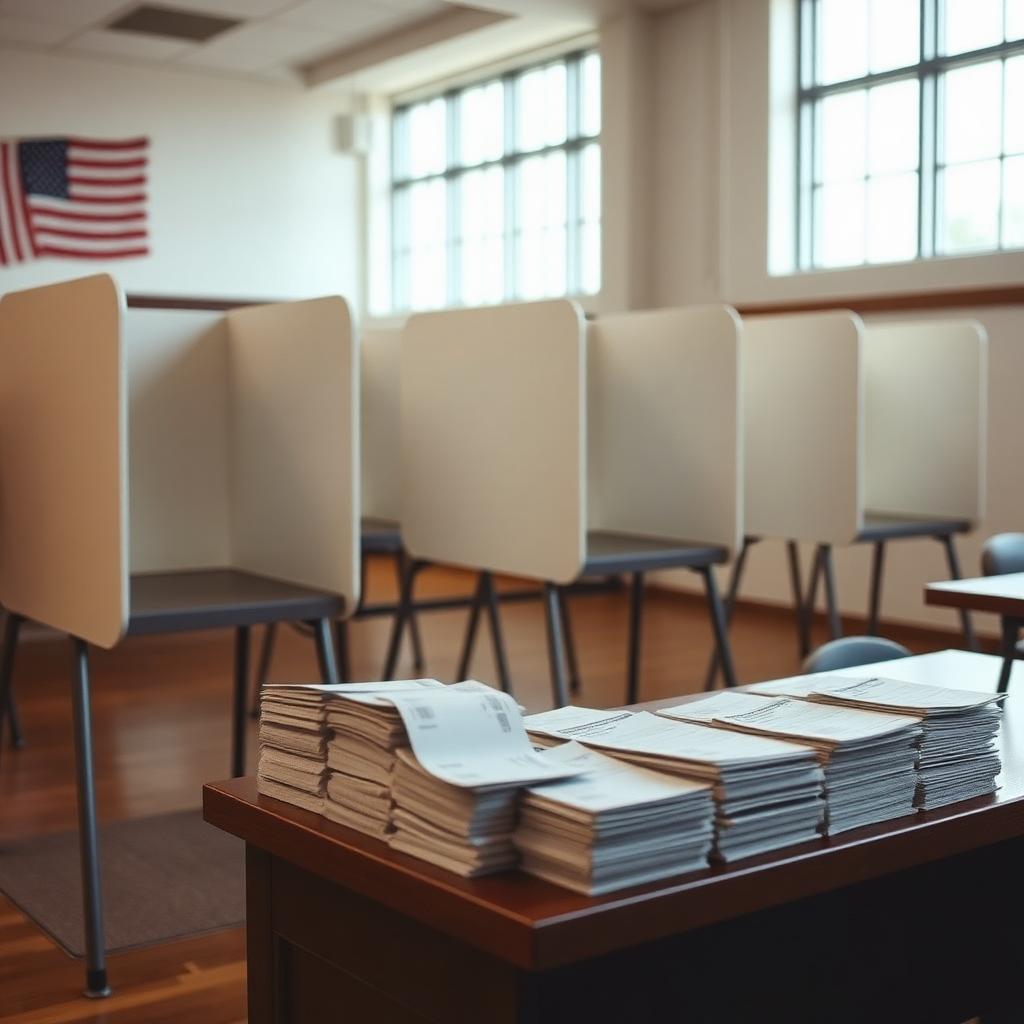
Iowa held its closed party primary on Tuesday, June 2, 2026. The headline result on the Republican side: businessman Zach Lahn narrowly won the GOP nomination for governor, finishing about a percentage point ahead of U.S. Representative Randy Feenstra. Lahn will face State Auditor Rob Sand, who ran uncontested as the Democratic nominee.
For U.S. Senate, U.S. Representative Ashley Hinson easily won the Republican primary with about 75 percent of the vote, defeating Jim Carlin. On the Democratic side, State Representative Josh Turek led State Senator Zach Wahls 62.5 percent to 37.5 percent in early returns on election night.
Context: Two Open Seats at the Top of the Ballot
The 2026 primary mattered more than usual because both top of ticket races are open. Governor Kim Reynolds, first elected statewide in 2018, announced she would not seek a third term. U.S. Senator Joni Ernst, first elected in 2014, also chose not to run for a third term. Iowa has not had an open gubernatorial race since 2006.
Iowa runs closed primaries, meaning voters must be registered with a party to vote in its primary. Active registration in the state leans Republican, and the GOP enters the November 3 general election with a structural advantage in voter registration totals.
Governor: Lahn Edges Feenstra in a Five Way Race
As of early returns reported by Iowa Public Radio and the Associated Press on the morning of June 3, the Republican field shook out roughly as follows.
- Zach Lahn (businessman): 36.5 percent.
- Randy Feenstra (U.S. Representative): 35.8 percent.
- Adam Steen (former state administrative services director): 16.9 percent.
- Brad Sherman (former state representative): 6.2 percent.
- Eddie Andrews (state representative): 4.6 percent.
Lahn, a first time candidate, ran as an outsider with heavy emphasis on education policy and his role co founding the Wichita Collegiate style classical school network in Iowa. Feenstra entered the race as the perceived frontrunner thanks to his congressional profile and rural organizational network across the fourth district. The margin between them was less than 1,000 votes in the initial reporting.
Rob Sand had no primary opposition on the Democratic side. As the lone Democrat holding statewide elected office in Iowa, Sand starts the general election with a unified party and a substantial campaign war chest built up across his two terms as auditor.
U.S. Senate: Hinson Cleared, Democratic Side Still Settling
On the Republican side, Ashley Hinson took 74.7 percent against Jim Carlin's 25.3 percent. The result was never in doubt, and Hinson moves to the general election with broad national Republican backing as the favored candidate to hold the seat for the GOP.
The Democratic Senate primary was tighter than expected. With 48 percent of results reported overnight, Josh Turek led Zach Wahls 62.5 percent to 37.5 percent. Turek, an Iowa state representative, two time Paralympic gold medalist, and Sioux City native, ran on a bread and butter economic platform focused on rural Iowa. Wahls, the state senate minority leader, had been the better known statewide figure heading in. Final results were still being counted when this article published.
U.S. House: A Rematch in District 1
The most consequential primary night story in the House delegation came out of Iowa's first congressional district. Incumbent Republican Mariannette Miller Meeks held off primary challenger David Pautsch 73.2 to 26.8 percent. On the Democratic side, former state representative Christina Bohannan crushed her primary opposition with 82 percent.
That sets up a third Miller Meeks versus Bohannan general election. Bohannan came within roughly 800 votes of unseating Miller Meeks in 2024, and the district is consistently rated as one of the most competitive in the country. Expect heavy national spending from both parties.
In the third district, Republican incumbent Zach Nunn faces Democratic state senator Sarah Trone Garriott in another premier swing seat. Both candidates ran unopposed in their primaries, which lets each campaign conserve cash for the fall.
What the Primary Tells Us About the General Election
Three takeaways stand out.
- The GOP gubernatorial coalition fractured. Feenstra's loss to a first time candidate by less than a point signals real volatility in the Republican base. Lahn now has to consolidate Feenstra voters quickly to start running against Sand at full strength.
- Sand is the strongest Democratic statewide candidate in years. An uncontested primary, a deep cash position, and a moderate brand built on auditing waste give him a credible shot in an environment that has trended Republican.
- The Senate race could swing nationally. Hinson is a known quantity. Whoever wins the Democratic primary will need to nationalize the race quickly to compete with Hinson's fundraising network.
What to Watch Next
Iowa's general election is November 3, 2026. Between now and then, expect early polling of Lahn versus Sand and Hinson versus the eventual Democratic nominee. Watch for who Feenstra endorses and how quickly. Watch how Bohannan and Trone Garriott handle the Trump administration's policy record as a campaign issue. And watch the state legislature races, where Republican supermajorities are technically in play if Democrats manage strong recruitment in suburban Des Moines.
The Takeaway
Iowa's June 2, 2026 primary produced one genuine upset (Zach Lahn over Randy Feenstra in the GOP gubernatorial race), one comfortable incumbent win (Ashley Hinson in the Senate primary), and one rematch (Miller Meeks versus Bohannan in the first congressional district). Rob Sand walks into the general election with a unified Democratic Party and a real shot at the governor's mansion, while the Senate seat vacated by Joni Ernst becomes one of the most watched midterm contests in the country.