Quick Answer
On June 27, 2026, the Canadian Army held a sunset ceremony in Halifax to formally stand down the 5th Canadian Division, which has been responsible for Army operations across Atlantic Canada since 2013. The deactivation is part of a broader Canadian Army restructuring that consolidates regional divisions into a leaner command structure.
Atlantic Canada's Army units, including the Royal Canadian Regiment and 36 Canadian Brigade Group, will continue operating but will report through a new chain of command.
What Is the 5th Canadian Division?
The 5th Canadian Division was one of five regional Army divisions in Canada, with its headquarters at CFB Halifax. It oversaw regular force and reserve units across Nova Scotia, New Brunswick, Prince Edward Island and Newfoundland and Labrador. The formation traces its lineage back to a numbered division created during the First World War, then revived in its current form in 2013.
What Happened on June 27, 2026
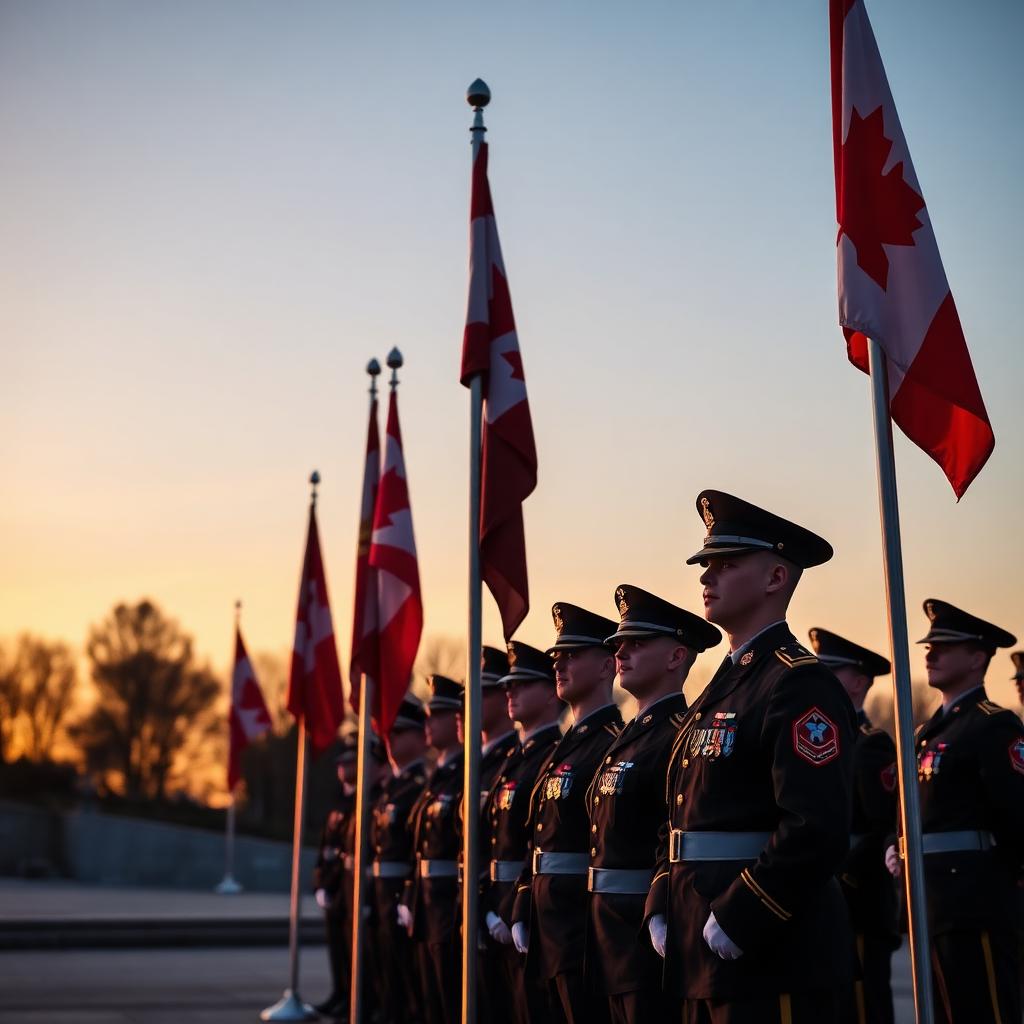
CBC News and CTV both covered the sunset ceremony at Halifax on the evening of June 27. The ceremony featured the Stadacona Band of the Royal Canadian Navy, members of the division's regular and reserve units and senior leadership from the Canadian Army. Speakers reflected on the division's role in domestic operations, including hurricane response in the Maritimes, and on the contribution of Atlantic Canadians to Army missions abroad.
At the conclusion, the division's flag was lowered for the final time and the formation was officially stood down.
Why Is the Army Standing It Down?
The Canadian Army has been studying a flatter command structure for several years. The argument for deactivating the divisional headquarters is that it removes a layer of bureaucracy between the field units and the Army's national headquarters in Ottawa. Supporters say this frees up staff officers and budget that can be redirected to combat-ready units.
Critics argue that regional divisions are exactly the right size for managing domestic operations like wildfire support or hurricane response in Atlantic Canada, where geography and isolated communities create unique challenges.
What Happens to Atlantic Canada's Army Units?
The line units themselves do not disappear. The Royal Canadian Regiment based at CFB Gagetown, 4th Artillery Regiment, 36 Canadian Brigade Group (a primary reserve formation) and the various Atlantic-based engineering and support units continue. What changes is the chain of command above them.
Domestic-operations responsibility for the Atlantic provinces, including any future Defence Operations Atlantic taskings, will be assigned to a new joint task force or directly to Canadian Joint Operations Command.
What About CFB Halifax?
CFB Halifax remains the country's largest naval base. The Royal Canadian Navy's Maritime Forces Atlantic, the Atlantic Fleet, HMCS Sackville and the Stadacona Band are all unchanged. The deactivation only affects the Army's divisional headquarters, not the Navy's presence.
Reaction From Veterans and Reservists
Veterans and serving reservists have offered mixed views in interviews with regional outlets. Many in the Maritimes feel the division was a visible Army presence in a region where the Navy usually dominates the military identity. Others see it as a sensible reform that will not affect day-to-day reserve training.
The Trident newspaper, the official publication of the Halifax defence community, noted that May and June were already busy with Battle of the Atlantic commemorations and the Sackville recommissioning, with the divisional standdown the final major ceremony of the spring.
How This Fits the Bigger Army Restructure
The 5th Canadian Division standdown is the most visible piece of a wider Canadian Army modernization push that has been moving slowly since the 2024 Defence Policy Update. The Army has signaled it wants to put more resources into a smaller number of high-readiness brigades, modern anti-armor and air-defence capabilities, and joint domains like cyber. Trimming a layer of regional headquarters is one of the cheapest ways to free up senior officers and staff to support that shift.
What to Watch Next
Two things worth tracking: which formation takes responsibility for Atlantic domestic operations under the new structure, and whether the other regional divisions (2nd, 3rd and 4th Canadian Divisions) face a similar standdown. Defence analysts at the Canadian Global Affairs Institute have argued for several years that a country of Canada's size only really needs two or three Army divisional headquarters.
Bottom Line
The 5th Canadian Division deactivation in Halifax on June 27, 2026 ends a regional Army headquarters that had been responsible for Atlantic Canada since 2013. Line units stay, the Navy presence is untouched, and command shifts upward as part of a wider Canadian Army restructure.
What Atlantic Reservists Should Expect
Reservists across the Maritimes will keep training with the same units on the same parade nights. The administrative chain above the brigade level changes, and reserve soldiers should expect new reporting templates and slightly different authorizations for domestic operations taskings. Pay and benefits stay anchored to the national system rather than the divisional one, so reservists should see no day-to-day change to those.