Quick Answer
World Bee Day is celebrated every year on May 20. In 2026 it falls on a Wednesday, putting our pollinators squarely in the national spotlight.
In Australia the day centres on the Great Bee Morning Tea, where workplaces, schools, and community groups host events to raise funds for bee conservation and to spotlight our 2,000 plus native bee species.
You can help by planting native flora, building a simple bee hotel, leaving out a shallow water dish, and cutting synthetic pesticides from your garden routine.
Why World Bee Day 2026 Matters for Australia
Every year the globe pauses to recognise one of the most hardworking creatures in our ecosystem. World Bee Day on Wednesday, May 20, 2026 carries real weight in Australia because our agriculture, our unique native flora, and a big slice of our food security all depend on the tireless work of both introduced European honey bees and our incredibly diverse native populations.
The 2026 theme leans hard into action. With environmental pressures stacking up and biosecurity teams still managing Varroa, this is the year for everyday Australians, schools, and local businesses to step up.
The Importance of Australian Native Bees
Most people picture the European honey bee (Apis mellifera) when they think of bees. That species produces the honey on our supermarket shelves. Australia is also home to more than 2,000 species of native bees, finely tuned to pollinate our native wildflowers and bushland.
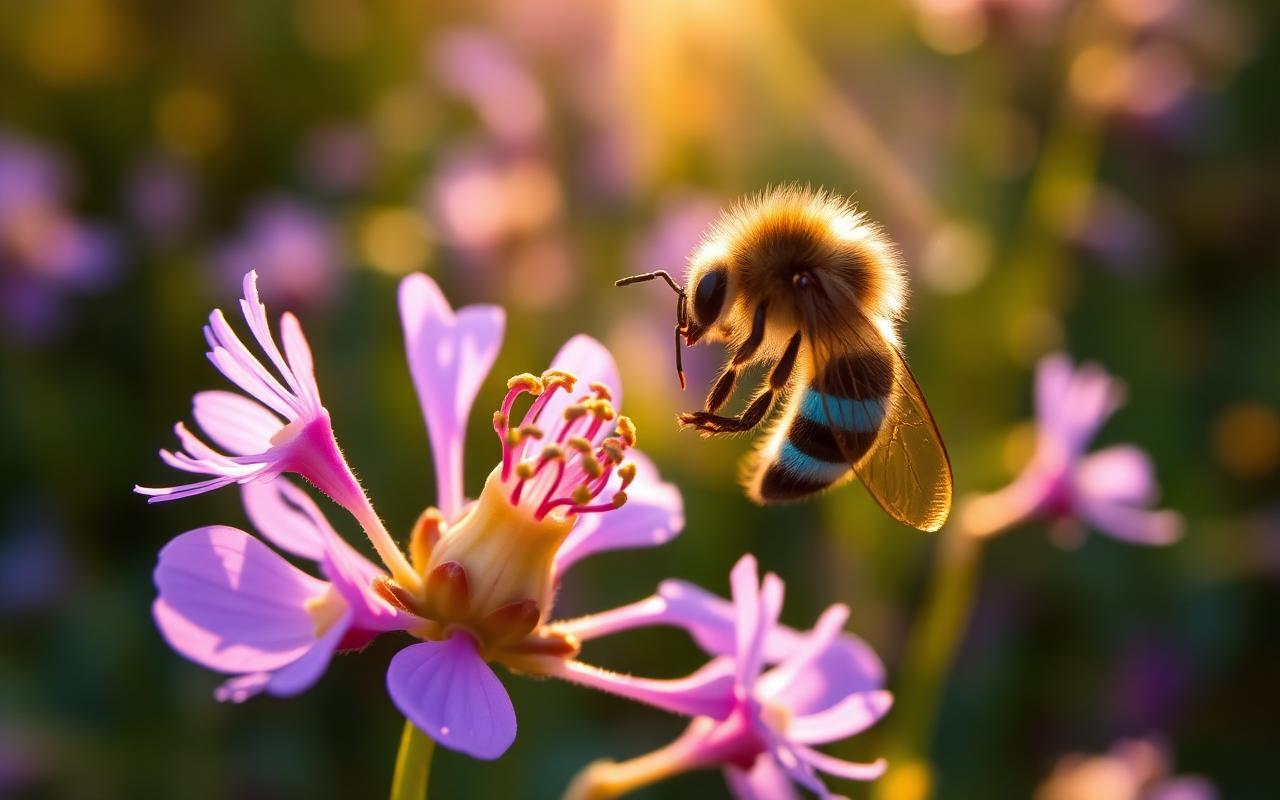
- Blue-banded bee: famous for its turquoise stripes and a "buzz pollination" technique essential for native tomatoes, eggplants, and macadamias.
- Stingless bees (Tetragonula and Austroplebeia): found mainly in northern and eastern Australia, they live in colonies and produce a tangy honey known as "sugarbag".
- Teddy bear bees: plump, fuzzy, golden brown solitary bees, a delight to spot in suburban gardens.
Most natives are solitary and nest in hollow plant stems, dead wood, or burrows in bare earth. Protecting their habitat is a core theme of the 2026 campaign.
The Great Bee Morning Tea 2026
The most popular way to mark the day in Australia is by hosting a Great Bee Morning Tea on or around May 20. Workplaces, schools, and community groups can download an official hosting pack that includes social media assets, invitation templates, and bee themed recipes.
The goal is to fund pollinator research and start conversations over a cup of tea and a honey glazed scone. Whether it is a quiet office kitchen meet up or a full community bake sale, every dollar raised goes toward agricultural and entomological research.
The Ongoing Threats to Australian Bees
| Threat | What it does | Why it matters in 2026 |
|---|---|---|
| Habitat loss | Urban sprawl and land clearing remove native vegetation | Solitary natives lose food and nesting sites |
| Backyard pesticides | Toxic to foraging bees | Still a leading cause of suburban decline |
| Varroa mite | Parasitic mite that attacks honey bee colonies | Ongoing biosecurity response since 2022 |
| Climate pressure | Shifts flowering times and water availability | Disrupts native foraging cycles |
The Varroa mite (Varroa destructor) is considered the greatest single threat to global apiculture and the Australian industry is still adapting to its arrival.
How You Can Help This World Bee Day
You do not need to become a registered apiarist to make a difference. Try one or two of these practical steps in your own backyard.
- Plant a bee friendly garden: mix native species that flower at different times of year. Grevilleas, callistemons (bottlebrushes), and flowering eucalyptus are excellent.
- Build a bee hotel: bundle bamboo, hollow reeds, or drill clean holes in untreated wood blocks to give solitary natives a place to nest.
- Ditch the chemicals: switch to organic, natural pest control so foraging bees are not exposed to toxic sprays.
- Leave a water source: a shallow dish of water with pebbles or marbles gives bees a safe place to land and drink.
- Buy local honey: supporting Australian apiarists keeps small scale producers viable and funds local pollination services.
What Schools and Workplaces Can Do
The Great Bee Morning Tea works brilliantly in schools because it ties a bake sale to a real science lesson on pollination and biodiversity. Many primary schools run a parallel "plant a pollinator patch" day in the school garden.
Workplaces can take it further by hosting a lunchtime talk from a local apiarist, switching the office garden contractor to a pesticide free brief, or matching staff donations to a registered bee charity.
Frequently Asked Questions
When is World Bee Day in Australia?
World Bee Day is celebrated annually on May 20. In 2026 it falls on a Wednesday.
What is the Great Bee Morning Tea?
A nationwide initiative that encourages Australians to host a morning tea event to raise awareness and funds for bee conservation. Hosting packs and recipes are available online.
Do Australian native bees make honey?
Most of Australia's 2,000 plus native species are solitary and do not make honey. A small group of native stingless bees produces small quantities of a prized, tangy honey called "sugarbag".
Are bees protected in Australia?
European honey bees are managed as livestock. Native bees are part of our natural wildlife, and protecting their habitats and native flora is vital to their survival.
The Bottom Line
World Bee Day 2026 is a chance to celebrate the workers behind a third of the food on our plates and to act on the threats they face. A pesticide free garden, a pollinator patch at school, or a morning tea at the office all add up. Small actions, multiplied across the country, are exactly how Australia's bee populations get protected.