Quick Answer
The May 2026 full moon reaches 100 percent illumination on Sunday, May 31, 2026 at 08:45 UTC. That works out to 3:45 AM Eastern Time and 12:45 AM Pacific Time on the same morning for viewers in North America.
The moon will appear visually full to the naked eye for three consecutive evenings, Friday May 29, Saturday May 30, and Sunday May 31, which gives you a wide viewing window. This particular full moon is special because it qualifies as a seasonal Blue Moon, the third of four full moons in the current astronomical season, an alignment that only happens about once every 2.7 years.
The Exact Times in Your Time Zone
The mathematical peak of illumination happens at one precise moment worldwide, but most people view the moon during local evening hours. Here is the conversion for the most common time zones.
| Phase Event | Universal Time | Eastern | Pacific |
|---|---|---|---|
| Peak Illumination | 08:45 UTC, May 31 | 3:45 AM, May 31 | 12:45 AM, May 31 |
| Best US viewing | Evening of May 30 | After sunset | After sunset |
| Extended viewing window | May 29 to May 31 | 3 nights | 3 nights |
For viewers in Europe and the United Kingdom, the peak falls during the morning of May 31. The best practical viewing time is still the evening of May 30, when the moon rises shortly after sunset and sits high in the sky for several hours before the peak.
The Seasonal Blue Moon Explained
There are two common definitions of a Blue Moon in modern culture. The monthly Blue Moon is the second full moon to occur within a single calendar month. The seasonal Blue Moon, which is what we are getting in May 2026, is the third full moon in an astronomical season that contains exactly four full moons.
Most astronomical seasons hold three full moons. About once every 2.7 years, a season squeezes in a fourth, and the third one in that sequence is the one that earns the Blue Moon label. Because the spring equinox occurred in mid March, the current solar season picked up an extra lunar cycle, and May 31 lands as the third of four.
It is worth saying clearly. The moon will not actually turn blue. The name is purely calendrical. The moon will display its traditional pearlescent white and grey hues, casting bright lunar shadows across the landscape just like any other full moon.
Why It Is Called the Flower Moon
The May full moon has carried the Flower Moon nickname for centuries across the Northern Hemisphere. The label traces back to traditional Native American culture, specifically tracked by the Algonquin tribes, who used the lunar calendar to time agricultural and hunting cycles.
It was named to mark the time of year when spring temperatures stabilise, frost recedes from the soil, and wildflowers bloom in abundance across forests and meadows. Other historic names for this lunar phase include the Corn Planting Moon and the Milk Moon, both of which signal a time of agricultural rebirth, fertility, and preparation for the coming summer harvest.
How to Get the Best View Tonight
If you want to maximise your chances of a beautiful viewing experience, three practical tips matter more than any piece of expensive equipment.
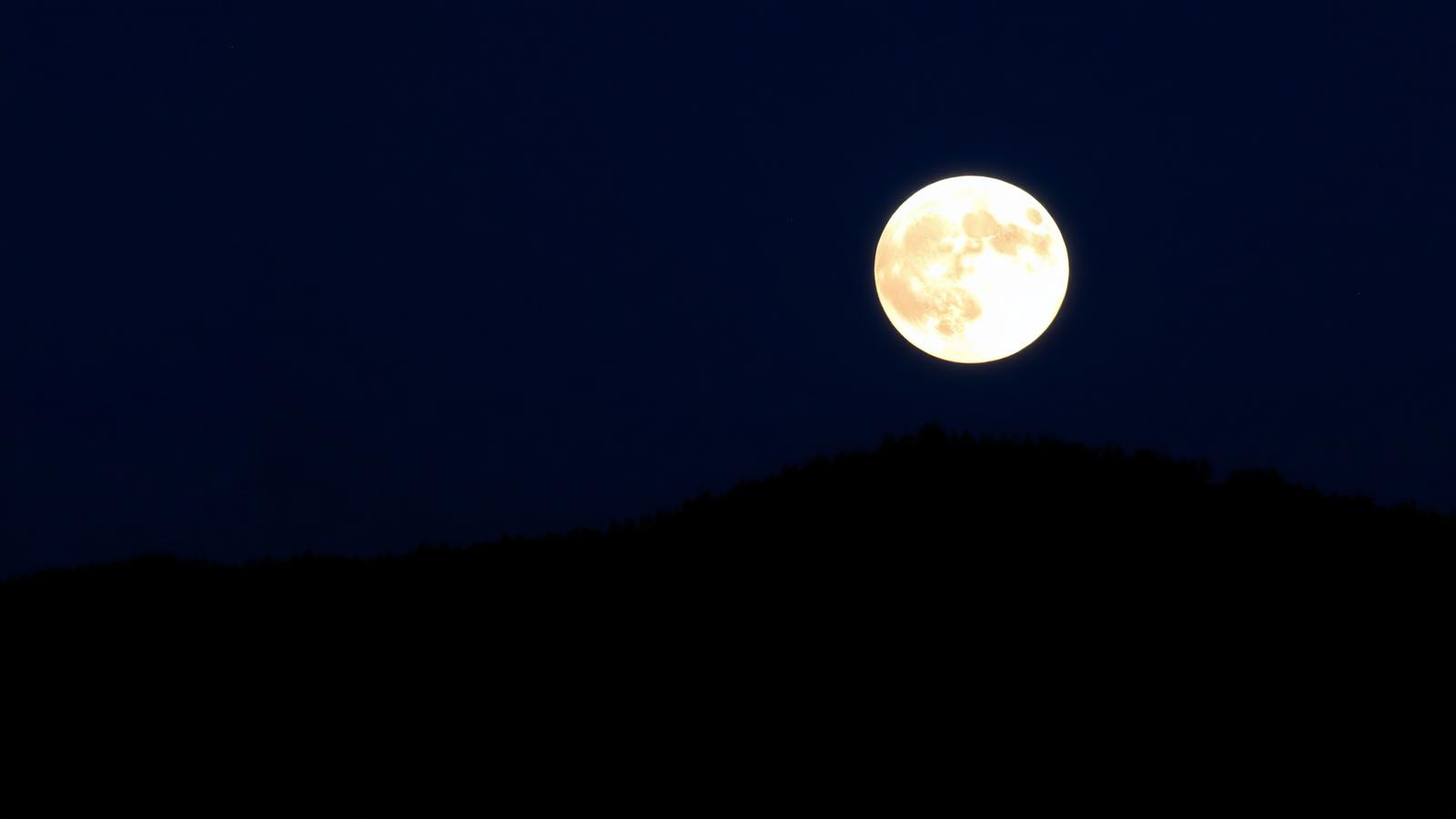
- Catch the moonrise. The moon looks most spectacular when it is sitting right along the horizon. Thanks to an optical illusion known as the moon illusion, it appears noticeably larger and takes on a deep golden orange tint due to atmospheric filtering. Check a local weather app for the precise moonrise time in your zip code.
- Reduce light pollution. A full moon is bright enough to punch through heavy city smog, but driving out to a local state park or rural area dramatically improves contrast. You will see the dark basaltic plains of the lunar maria and bright impact craters like Tycho and Copernicus much more clearly.
- Use low magnification. If you are using a telescope or a pair of high powered binoculars, avoid zooming in too far. A lower magnification lens captures the entire lunar disc in a single frame, giving you a crisp, breathtaking view of our nearest planetary neighbour.
What to Photograph and What to Look For
Smartphone cameras with night mode have made amateur lunar photography much easier in the last few years. To get a sharp image, brace your phone against a fence, a tripod, or a rock and tap the moon on screen to lock exposure. The phone will dim down automatically and bring out crater detail rather than blowing out into a featureless white disc.
If you have binoculars or a small telescope, focus on the terminator, the line dividing the lit and unlit halves of the moon. On a perfectly full moon there is barely any terminator visible, but the few craters near the edge cast the longest, most dramatic shadows and offer the best three dimensional view.
For naked eye observers, the easiest visible features are the large dark plains known as Mare Tranquillitatis (Sea of Tranquility), Mare Imbrium (Sea of Showers), and the bright rayed crater Tycho in the southern lunar highlands.
The Takeaway
The May 2026 full moon peaks at 08:45 UTC on Sunday, May 31, and you can comfortably catch it from Friday May 29 through Sunday May 31 with the naked eye. It is a rare seasonal Blue Moon, the third of four full moons this astronomical season, an event that only happens about once every 2.7 years. It will not actually look blue, but the traditional Flower Moon will still put on a stunning, bright, golden moonrise show. Step outside, find a dark spot, and look up.