Quick Answer
The 2026 Strawberry Moon reaches peak illumination on Monday, June 29, 2026 at 7:57 a.m. Eastern Daylight Time (11:57 UTC). The best viewing window is the night of Sunday, June 28 into the early hours of Monday, June 29, when the moon rises in the southeast just after sunset.
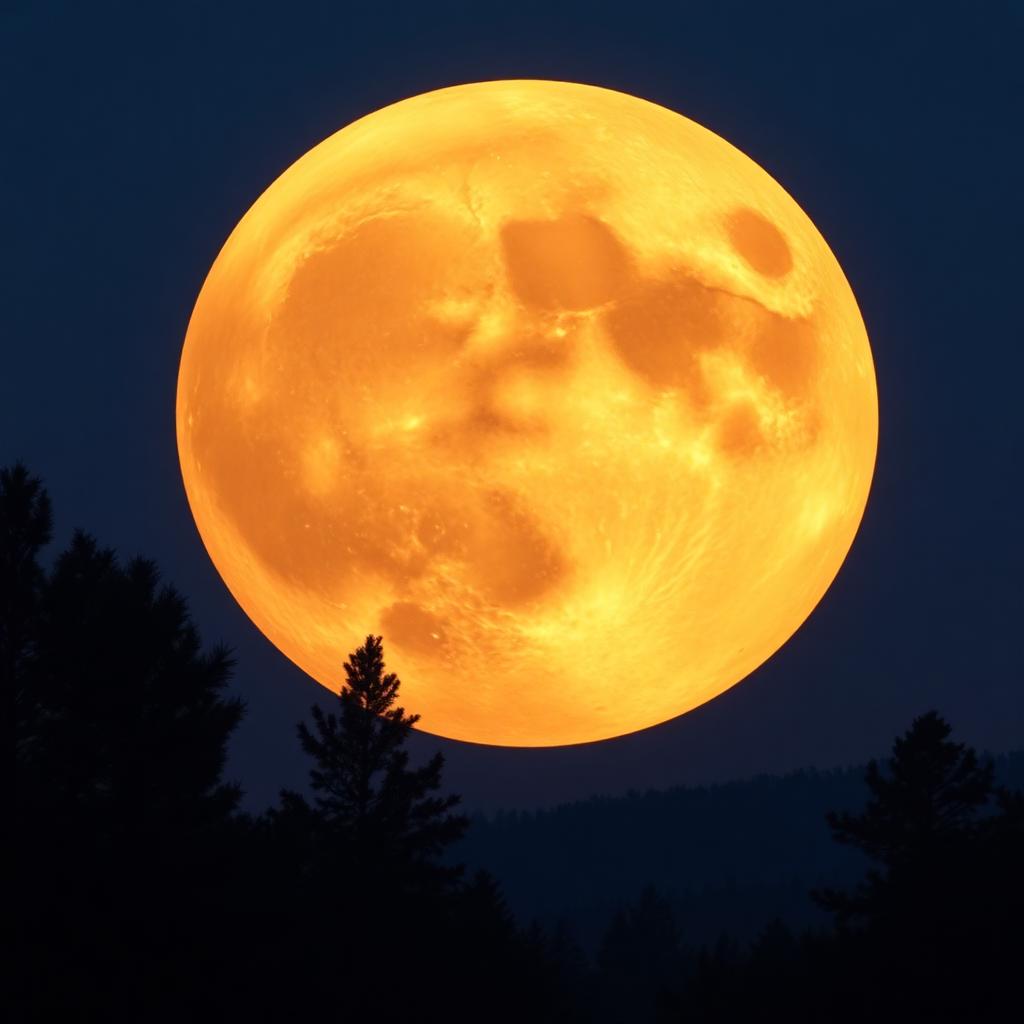
It is called the Strawberry Moon because Algonquin and other Native American naming traditions marked June as the month for harvesting wild strawberries. The name has nothing to do with color. The actual color is usually a warm honey gold near the horizon, fading to pale white as it climbs.
Why the 2026 Strawberry Moon Sits So Low
June's full moon is always the lowest full moon of the year for viewers in the Northern Hemisphere. The reason is geometry: a full moon sits directly opposite the sun in the sky. Around the summer solstice the sun is at its highest point of the year, so the full moon, doing the mirror image, traces its lowest possible arc across the southern sky.
In 2026 the solstice fell on June 21, which means the Strawberry Moon, eight days later, is still riding very close to that minimum altitude. From mid latitude cities like New York, London or Tokyo, the moon will sit only a few tens of degrees above the southern horizon at its highest point during the night.
Why It Looks Gold or Honey Colored
The Strawberry Moon is not actually red, pink or strawberry colored. The classic warm tint people see is an atmospheric effect, not a property of the moon itself.
When the moon is low on the horizon, its reflected light has to travel through a thick slice of Earth's atmosphere before it reaches your eyes. That thick layer scatters out the short wavelength blue and violet light first, the same physics that makes the setting sun look orange. What is left in the beam is mostly the longer red, orange and yellow wavelengths, which is why the rising Strawberry Moon often shows up as a deep gold or honey color.
As the moon climbs higher into the sky later in the night, the light passes through less atmosphere, less blue gets scattered out, and the moon fades back toward its normal pale white.
The Moon Illusion You Are About to See
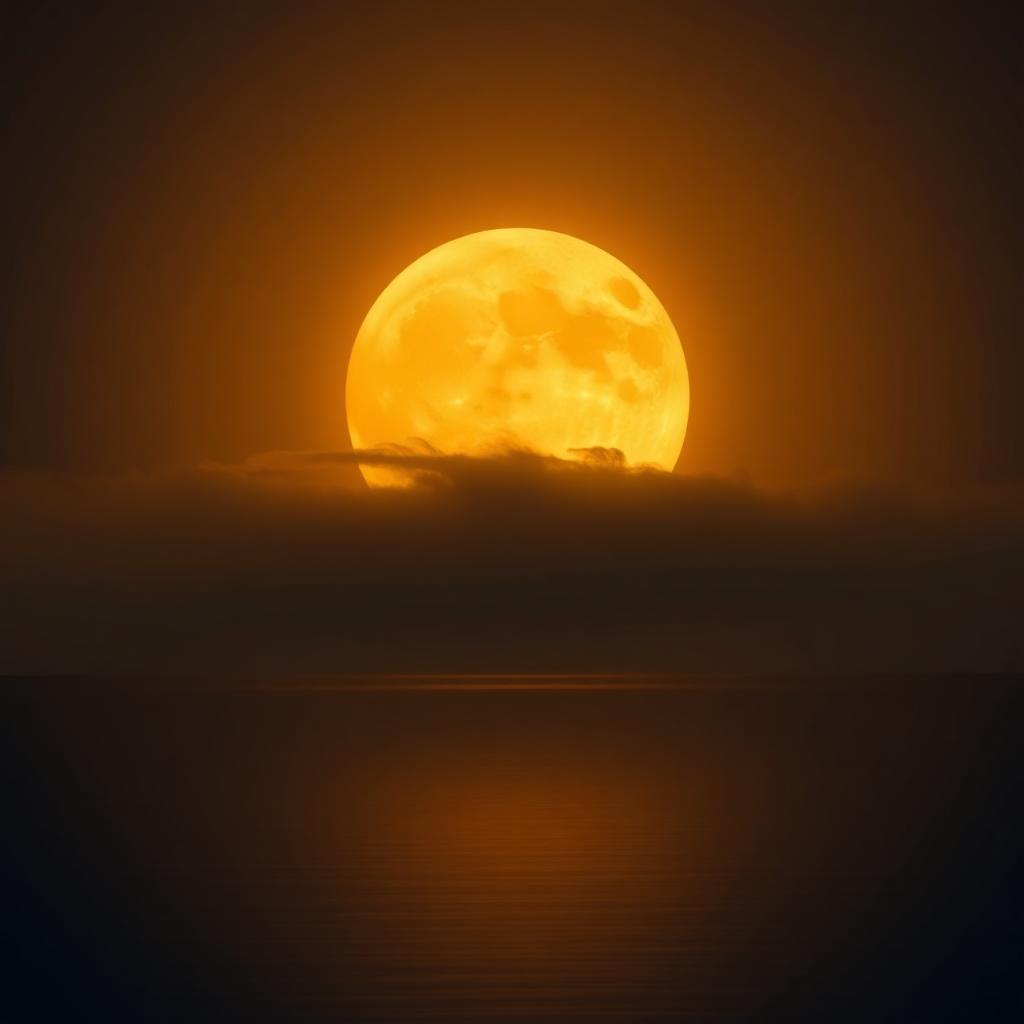
Because the Strawberry Moon sits so low, you also get a big dose of the "moon illusion." That is the well documented effect where a low moon framed by trees, buildings or distant hills looks dramatically larger than a moon high overhead, even though it is the exact same physical size and almost the same distance away.
Astronomers still debate the exact mechanism behind the illusion, but the common explanation is that your brain compares the moon to familiar reference objects on the horizon and concludes it must be enormous. Hold up your pinky at arm's length and the moon will cover roughly the same fingertip whether it is on the horizon or directly overhead.
Best Times to Watch by Region
- US East Coast: moonrise around 9 p.m. local on Sunday, June 28, peaking after midnight.
- US Central and Mountain: moonrise late evening, with strong horizon color around dusk.
- US West Coast: moonrise around 8:30 p.m. on June 28, peak fullness occurs before sunrise on June 29.
- UK and Western Europe: best viewing the evening of Monday, June 29 after sunset, low in the southeast.
- India and Southeast Asia: full moon visible the night of June 29 to 30, sitting unusually low in the sky.
Exact moonrise times vary by latitude. Almanac sources list peak full at 11:57 UTC on June 29, 2026.
How to Photograph It Well
If you want a strong photo, shoot the moon when it is low and framed against a foreground object like a tree, a hill or a building. That triggers the moon illusion in the image too and gives you the saturated gold color before the moon rises high enough for the blue light to come back. Use a long lens if you have one, drop your exposure compensation by one to two stops so the lunar surface is not blown out, and shoot in raw if your camera supports it.
Other Names for the June Full Moon
"Strawberry Moon" is the most common North American name, but the same full moon is also called the Rose Moon in parts of Europe, the Honey Moon (which is the source of the marriage related word), the Hot Moon, and the Mead Moon. Different agricultural and indigenous calendars line up the name with whatever was being harvested or brewed locally in June.
Bottom Line
Catch the 2026 Strawberry Moon on the night of June 28 to 29. Look low and to the southeast just after moonrise for the most dramatic honey colored view, and remember that the color is a gift from Earth's atmosphere, not from the moon itself.