Quick Answer
Follow the dress code printed on the invitation. If there is not one, cocktail attire is the safe default for an evening wedding and smart daywear for an afternoon one.
Avoid white, ivory, cream and anything close to it. Check with the couple before wearing red or full black at a wedding with cultural traditions attached.
Dress one notch smarter than you think you need to. Being slightly overdressed at a wedding is invisible, being underdressed is not.
Decoding the Dress Codes
White tie. Very rare. Men wear a black tailcoat, white waistcoat and white bow tie. Women wear a full length formal gown.
Black tie. Men wear a tuxedo with a black bow tie. Women wear a floor length gown or a very formal cocktail dress, or elegant evening trousers.
Black tie optional or formal. A tuxedo is welcome but a dark suit with a tie is equally correct. Women wear a long dress or a dressy midi.
Cocktail. The most common code now. Men wear a suit and tie. Women wear a knee length or midi dress, or a smart jumpsuit.
Semi formal or dressy casual. Men wear a suit, or trousers with a blazer and no tie. Women wear a day dress or a skirt and top.
Beach or destination. Lightweight suits, linen, no tie, loafers or dressy sandals. Women wear a floaty midi or maxi. Stilettos are unwearable on sand.
Garden party. Smart daywear with a nod to the outdoors. Block heels or wedges rather than thin heels, and a jacket for the evening.
Festival or come as you are. Still smarter than everyday clothes. Clean, considered and photograph friendly rather than genuinely casual.
Colours to Avoid
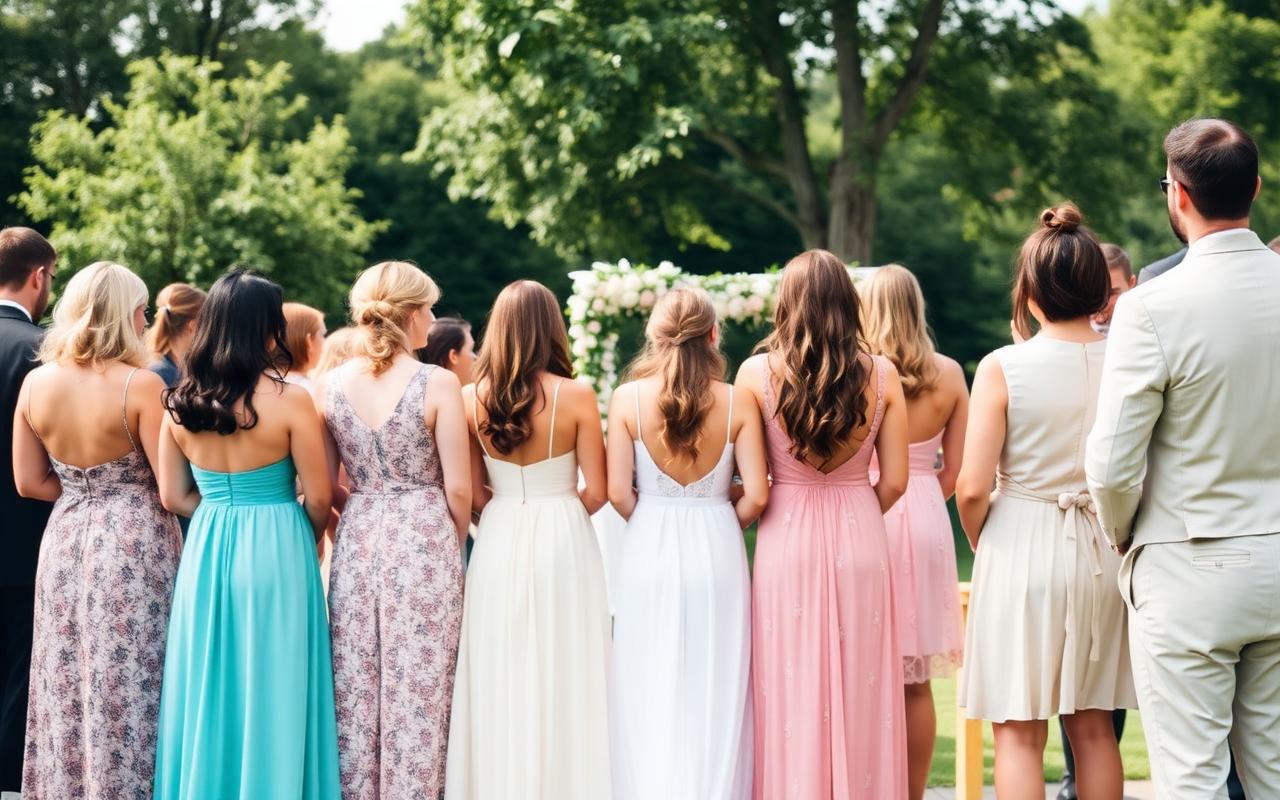
White, ivory, cream, champagne and blush that reads as white in photographs are all off limits. This is the one wedding rule that has genuinely survived.
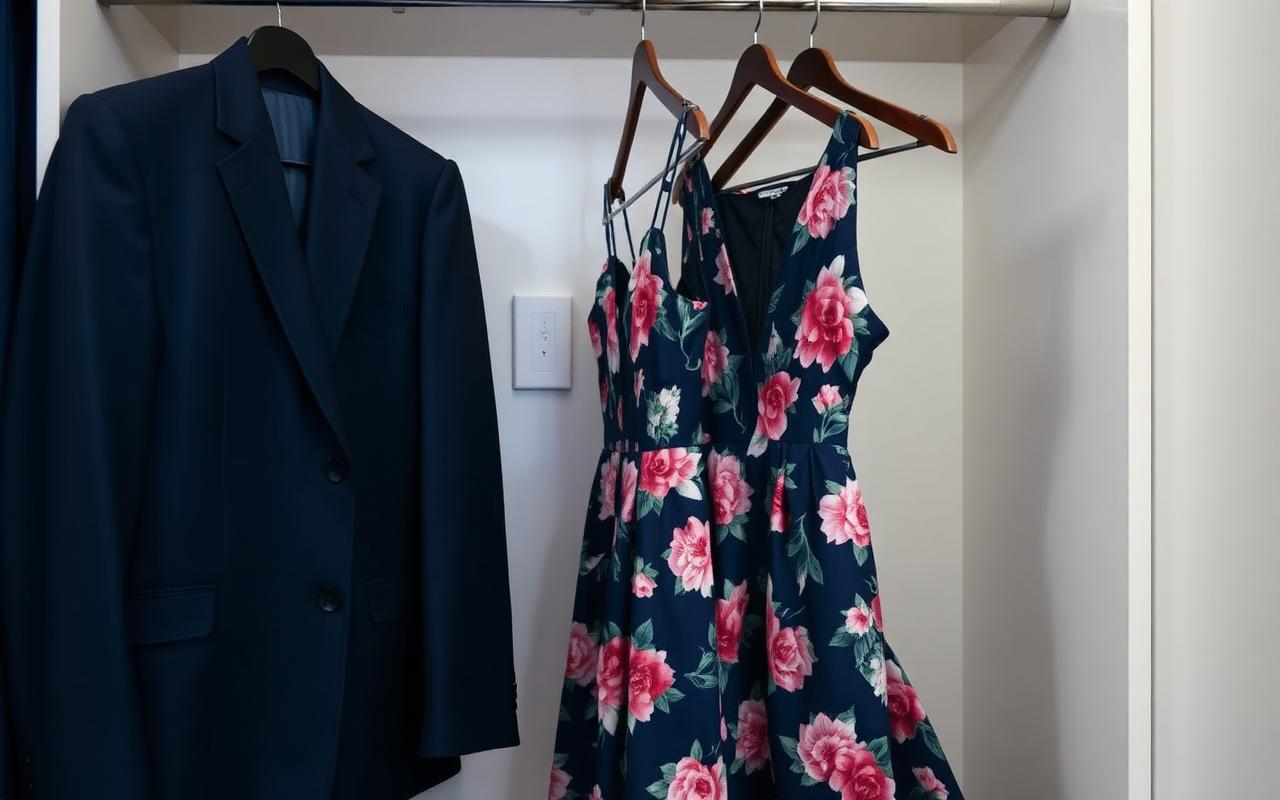
A white pattern on a strong coloured base is usually fine. A predominantly white dress with a small floral print is not.
Red is a bold choice at a Western wedding and some couples dislike it, but it is not forbidden. At a Chinese or Indian wedding, red is often the bride's colour, so ask first.
All black used to be discouraged and is now completely normal at evening and city weddings. At a traditional or religious wedding in some cultures it still reads as mourning, so check.
Avoid matching the bridal party colours. Ask what they are if you know the couple well enough, because standing in photographs looking like an off duty bridesmaid is nobody's aim.
Dressing for the Venue
A church, mosque, synagogue or temple usually expects shoulders and knees covered. Take a wrap or jacket even if the reception is a garden.
Many places of worship expect a head covering. Synagogues provide kippot for men and some churches and mosques ask women to cover their hair.
Outdoor ceremonies mean grass, and grass means block heels, wedges or flats. Heel protectors are cheap and save an entire evening.
Barn and marquee weddings get cold after sunset. A jacket or pashmina that works with the outfit beats borrowing a coat that does not.
Beach ceremonies mean sand, wind and salt. Choose a fabric that moves and a hairstyle that survives.
What Men Should Wear
A well fitting suit in navy, charcoal or mid grey covers almost every wedding you will attend. Navy is the most versatile single purchase.
Match the shoes to the formality: black oxfords for black tie, brown brogues or loafers for a day wedding.
Keep the tie plain or subtly patterned. Novelty ties do not read as fun in the group photograph.
In summer, a lighter weight suit or linen blend is far better than sweating through a winter wool. Keep the jacket on for the ceremony and photographs.
Never wear a suit the same colour as the groom's party unless you were asked to.
What Women Should Wear
A midi dress is the most reliable choice at almost any dress code because it reads as smart without being formal.
Jumpsuits and trouser suits are fully accepted now at every level of formality including black tie.
Consider the whole day, not just the arrival photograph. You will sit, stand, walk on grass, eat a full meal and dance.
Bring a second pair of shoes. Almost everybody changes into flats by the evening and the ones who did not plan for it are the ones barefoot on a dance floor.
Hats and fascinators are expected at traditional British weddings and unusual at most American ones. Remove a large hat for the reception if it blocks a view.
Common Mistakes
- Underdressing. The single most frequent regret. Casual reads as not caring in wedding photographs.
- Ignoring a stated dress code. The couple chose it deliberately and it usually reflects the venue.
- Very short hemlines and deep necklines. Risky in a place of worship and awkward when sitting on a low chair.
- New shoes. A wedding is a twelve hour day, often partly on grass.
- Overpowering fragrance. Ceremonies are crowded and enclosed.
- Anything that upstages. Sequins to a garden picnic, a gown to a village hall, or white in any form.
If There Is No Dress Code at All
Look at the venue. A stately home means cocktail, a village hall means smart daywear, a beach means light and floaty.
Look at the time. Anything starting after 5pm is effectively an evening wedding and dressier.
Look at the season. Heavy fabrics and dark colours in August will make an outdoor ceremony miserable.
When you still cannot tell, ask a member of the wedding party rather than the couple, who have a hundred other things to answer.
Frequently Asked Questions
Can a guest wear black to a wedding?
Yes at most modern Western weddings, particularly evening and city ones. Check first if the wedding follows a cultural or religious tradition where black signals mourning.
Is it acceptable to wear a floral dress with white in it?
Yes, as long as the base colour clearly is not white and the dress does not read as white from a distance in photographs.
What does cocktail attire actually mean?
A suit and tie for men, and a knee length or midi dress or a smart jumpsuit for women. It sits between a business suit and black tie.
Can you wear the same outfit to two weddings?
Yes, unless the guest lists overlap heavily and photographs will be shared between the same group of people.
Do you have to wear a hat to a British wedding?
Not compulsory, but hats and fascinators are traditional at church weddings and still common at formal daytime ones.
Bottom Line
Read the dress code, dress one notch up from your instinct, stay well away from white, and choose shoes you can survive twelve hours in.
Cover shoulders and knees for a religious ceremony, plan for grass and cold evenings, and never try to be the most photographed person in the room.