Quick Answer
The VC-25B Bridge is a modified Boeing 747-8i that President Donald Trump unveiled at Joint Base Andrews, Maryland on June 19, 2026 as a transitional Air Force One. The aircraft originated as a roughly 400 million dollar luxury jet given to the United States government by Qatar in 2025 and was retrofitted by the Air Force over the following year to presidential security and communications standards.
It is called a "bridge" aircraft because it fills the operational gap until Boeing finishes the two purpose built VC-25B airframes under the long delayed Presidential Aircraft Recapitalization programme, which is now expected to deliver in 2027 to 2028.
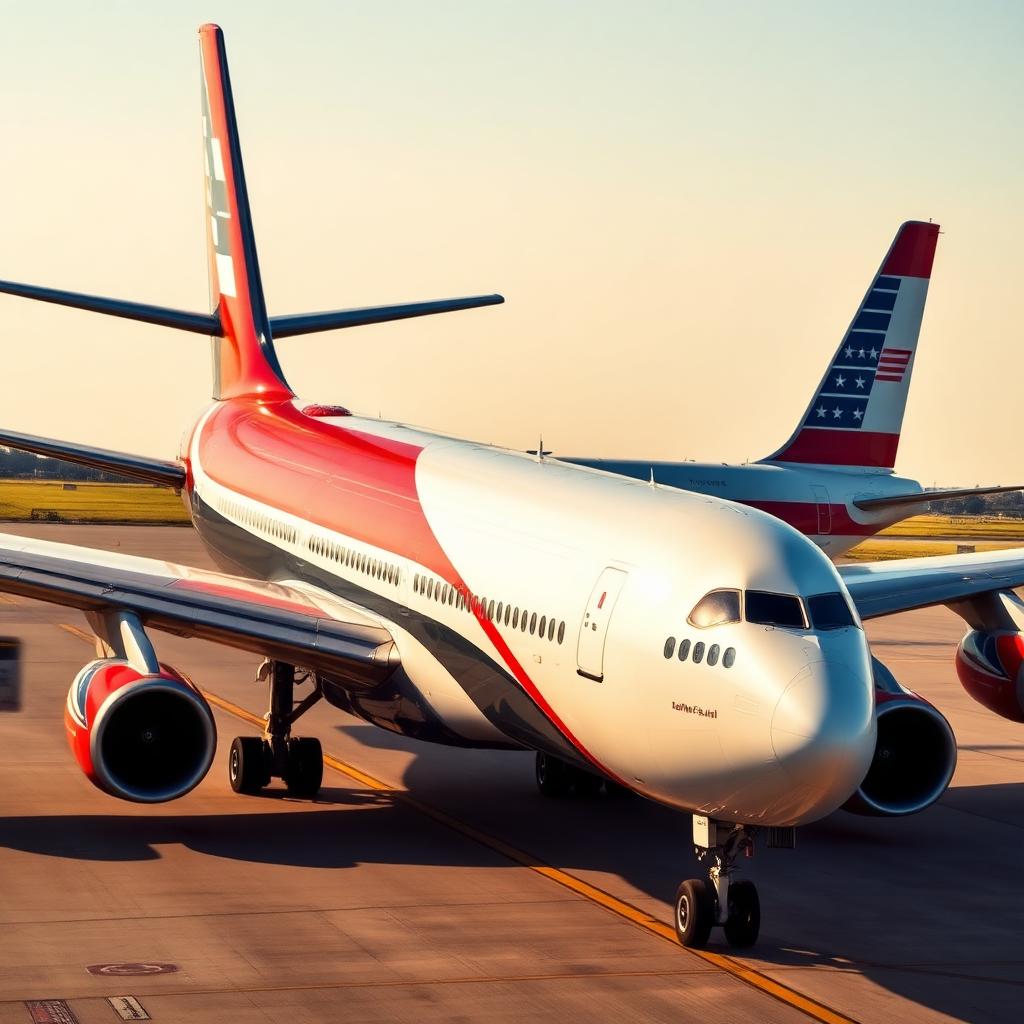
The most visible change is the paint scheme. The famous robin's egg blue livery, originally commissioned by President John F. Kennedy and refined by industrial designer Raymond Loewy in 1962, has been retired. The new aircraft wears a red, white, and dark blue scheme with a stylised United States flag on the tail.
The unveiling at Joint Base Andrews
The June 19 ceremony took place inside a hangar at Joint Base Andrews, the military post outside Washington that has served as Air Force One's home base for decades. President Trump descended the airstairs to address service members and reporters, calling out the new colour scheme directly: "These are the new colors, red, white, and blue. We liked the baby blue, but it was time for a change. I like the color of the American flag."
The aircraft has since begun initial commissioning flights with the Presidential Airlift Group at Joint Base Andrews, the standard handover process for a new presidential airframe.
Where the plane came from
The airframe was originally built for the Qatari royal family as a Boeing 747-8i Business Jet, an ultra luxurious variant of the standard 747-8 commercial airliner. In 2025, with the official Boeing Air Force One replacement programme running years behind schedule, the United States accepted the aircraft as a donation from the Qatari government.
The transfer drew political and ethics scrutiny, with critics raising concerns about the cost of retrofit and the optics of accepting a roughly 400 million dollar foreign donation. The administration's response was that the donation accelerates a programme that has already cost taxpayers significant overruns and that the retrofit work itself remains a US government project under Air Force oversight.
What changed inside
The Air Force has not released a full interior schematic, which is standard practice. Based on the official announcement and reporting from BBC and CBS News, the broad picture includes:
- Communications hardening. Upgraded secure satellite communications and classified data links so the president can run global military operations from the air.
- Defensive systems. Anti missile countermeasures, electromagnetic pulse hardening, and other classified protective measures consistent with the legacy VC-25A standard.
- Executive suite and conference areas. Existing luxury interiors largely retained, with security and comms equipment integrated around them rather than gutting and rebuilding the cabin.
- Medical and staff areas. Standard presidential flight requirements including a medical suite and dedicated staff workspaces.
Why a "bridge" aircraft was needed
The two original VC-25A jumbos, both modified Boeing 747-200B airframes, have been flying since 1990. Boeing won the contract to replace them in 2018, originally promising delivery by 2024 of two highly modified 747-8 aircraft as the official VC-25B fleet. The programme then absorbed significant delays and cost overruns, with current expectations sitting in the 2027 to 2028 range.
The Qatari donated aircraft solves the gap. It is the same 747-8 generation as the eventual replacement fleet, which simplifies pilot training, parts inventory, and ground support compared with stretching the life of the ageing VC-25A.
The colour scheme question
The classic baby blue and white scheme has been one of the most recognisable design choices in American government iconography for more than 60 years. It was originally proposed in 1962 by industrial designer Raymond Loewy, working directly with President Kennedy, and survived every subsequent administration largely untouched.
The new scheme keeps a white base and replaces the baby blue panels with deep red on the underside and a darker navy blue accent, with a stylised waving US flag on the tail fin. Whether the next administration keeps the new livery or returns to a more traditional design will be a presidential discretion call, just as the original Kennedy era choice was.
What happens to the old VC-25A fleet
The two original 747-200B airframes are being retired from active presidential duty as the VC-25B Bridge enters service. They will continue limited operations during the handover period and are expected to be transferred to museum or static display roles, consistent with how earlier presidential aircraft were retired.
Frequently asked questions
When was the VC-25B Bridge unveiled?
June 19, 2026, at a ceremony in a hangar at Joint Base Andrews, Maryland.
Where did the aircraft come from?
It was originally a Qatari government owned Boeing 747-8i, accepted by the United States as a donation in 2025 and retrofitted by the Air Force for presidential use.
Is this the final new Air Force One?
No. The aircraft is a transitional "bridge" airframe. The two purpose built VC-25B aircraft from the official Boeing programme are still expected to enter service later, with current estimates in the 2027 to 2028 range.
Why was the baby blue paint scheme retired?
President Trump made the change as a presidential design decision, replacing the Kennedy era Raymond Loewy livery with a red, white, and dark blue scheme featuring a stylised US flag on the tail.