Quick Answer
In May 2026, Transport Secretary Heidi Alexander confirmed HS2 will now cost between £87.7bn and £102.7bn just to build the line between London and the West Midlands.
Initial services between Old Oak Common in West London and Birmingham Curzon Street will not start until May 2036 to October 2039. The connection into a rebuilt London Euston is not expected until between May 2040 and December 2043.
Top operating speed is being cut from 225 mph to nearly 200 mph to save roughly £2.5bn on signalling.
What is HS2?
For over a decade, the High Speed 2 (HS2) railway has been the most debated infrastructure project in British history. Originally conceived to connect London, Birmingham, Manchester, and Leeds via ultra-fast, state-of-the-art trains, the project was designed to slash journey times and free up desperate capacity on the congested West Coast Main Line.
Over the years, the scope of the project has been aggressively scaled back by successive governments due to spiralling costs. The eastern leg to Leeds was scrapped, the Manchester extension was cancelled, and now even the section into central London has been pushed back by more than a decade. Today, many taxpayers are left asking, what is HS2 actually going to deliver. As of May 2026, the answer is a much shorter, much slower, and massively more expensive railway.
The May 2026 Government Update
In May 2026, Transport Secretary Heidi Alexander delivered a sobering statement to the House of Commons that fundamentally altered the timeline and budget of the project.
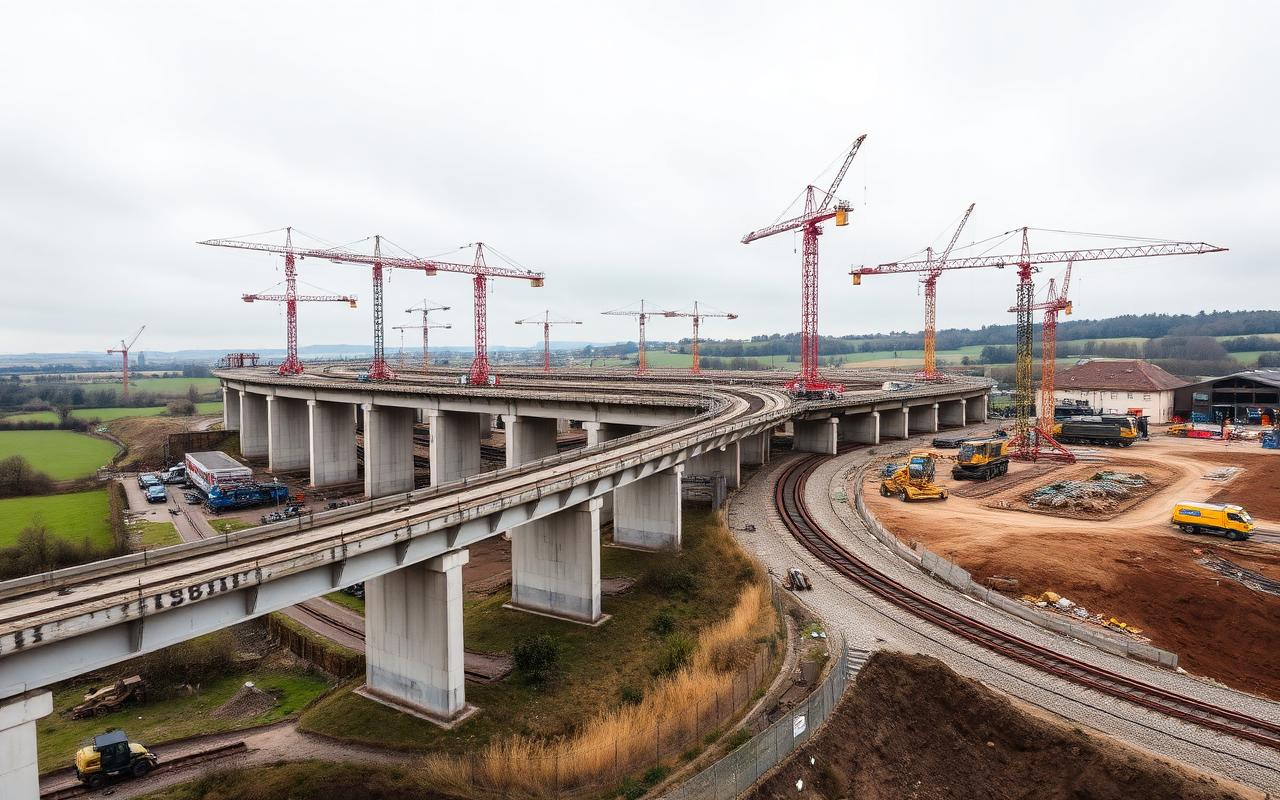
According to Alexander, an extensive 15-month review conducted by HS2 Ltd revealed a "shocking legacy" of inefficiency, scope creep, and underestimated costs. The government confirmed that it had considered cancelling the project entirely, but concluded that dismantling the existing civil engineering works (the tunnels, viaducts, and earthworks already in the ground) would cost nearly as much as finishing the line.
Exploding Costs and Slower Trains
The numbers are staggering. The official budget for HS2, which once stood at £32.7bn in 2012 for a massive Y-shaped national network, has now ballooned to between £87.7bn and £102.7bn. That figure is solely to construct the truncated line between London and the West Midlands.
To claw back some savings (roughly £2.5bn), Heidi Alexander announced that the operational speed of the trains will be reduced. Initially designed to be one of the fastest railways in the world running at 225 mph (360 km/h), the trains will now operate at a top speed of nearly 200 mph (320 km/h). This reduction allows for cheaper signalling equipment and brings the project in line with standard European high speed rail specifications.
How the budget has grown
| Year | Estimate | Scope |
|---|---|---|
| 2012 | £32.7bn | Full Y-shaped network: London, Birmingham, Manchester, Leeds |
| 2020 | £72bn to £98bn (2019 prices) | Full network with Manchester branch |
| 2023 | Manchester leg cancelled | London to Birmingham only |
| May 2026 | £87.7bn to £102.7bn | London Old Oak Common to Birmingham Curzon Street |
The Old Oak Common and Euston Problem
The most significant impact on passengers relates to where the trains will actually go. Due to the extreme complexity and uncertain funding regarding the redevelopment of London Euston station, high speed trains will not reach central London for a very long time.
When the railway initially opens, the southern terminus will be Old Oak Common in outer West London. Passengers will be forced to disembark at Old Oak Common and transfer onto the Elizabeth Line to reach central London destinations such as Tottenham Court Road, Bond Street, Liverpool Street, and Canary Wharf. The change adds time, complexity, and crowding pressure to an already busy Elizabeth Line.
The Revised Opening Timelines
The original target for HS2 to be operational was 2026. The new timeline stretches far into the future:
- Phase 1 initial opening: Services between Old Oak Common and Birmingham Curzon Street will not start running until between May 2036 and October 2039.
- London Euston connection: The connection from Old Oak Common into a rebuilt London Euston is not expected to be completed until between May 2040 and December 2043.
While unions like the TSSA continue to push for the government's full backing to complete the railway and eventually link it to Northern Powerhouse Rail, local communities living along the construction route continue to face decades of disruption.
Why the Costs Keep Climbing
The May 2026 review pointed to several structural causes. Tunnelling under the Chilterns proved more complex than forecast. Property and land acquisition costs in the South East rose sharply. Contract structures with major civil engineering firms shifted risk back to the taxpayer when scope changed. And inflation in construction materials over the post-pandemic years added billions on its own.
Frequently Asked Questions
What is HS2?
HS2 (High Speed 2) is a major, partially constructed high speed railway in the UK, currently designed to connect London with Birmingham.
Who is Heidi Alexander?
Heidi Alexander is the UK Transport Secretary who delivered the May 2026 update regarding the budget increases and delays to the HS2 project.
Will HS2 go to London Euston?
Eventually, yes. However, the connection to Euston has been heavily delayed. When the line first opens, trains will terminate at Old Oak Common in West London. The Euston connection is not expected until the early 2040s.
How much will HS2 cost?
As of the official May 2026 estimates, the final cost of the railway is projected to sit between £87.7 billion and £102.7 billion.
The Bottom Line
HS2 is now a much smaller, slower, and more expensive railway than the project sold to the public in 2012. The May 2026 update locks in a London terminus at Old Oak Common for at least a decade after opening, and pushes the dream of a high speed rail spine for the whole UK firmly into the next political generation.