Quick Answer
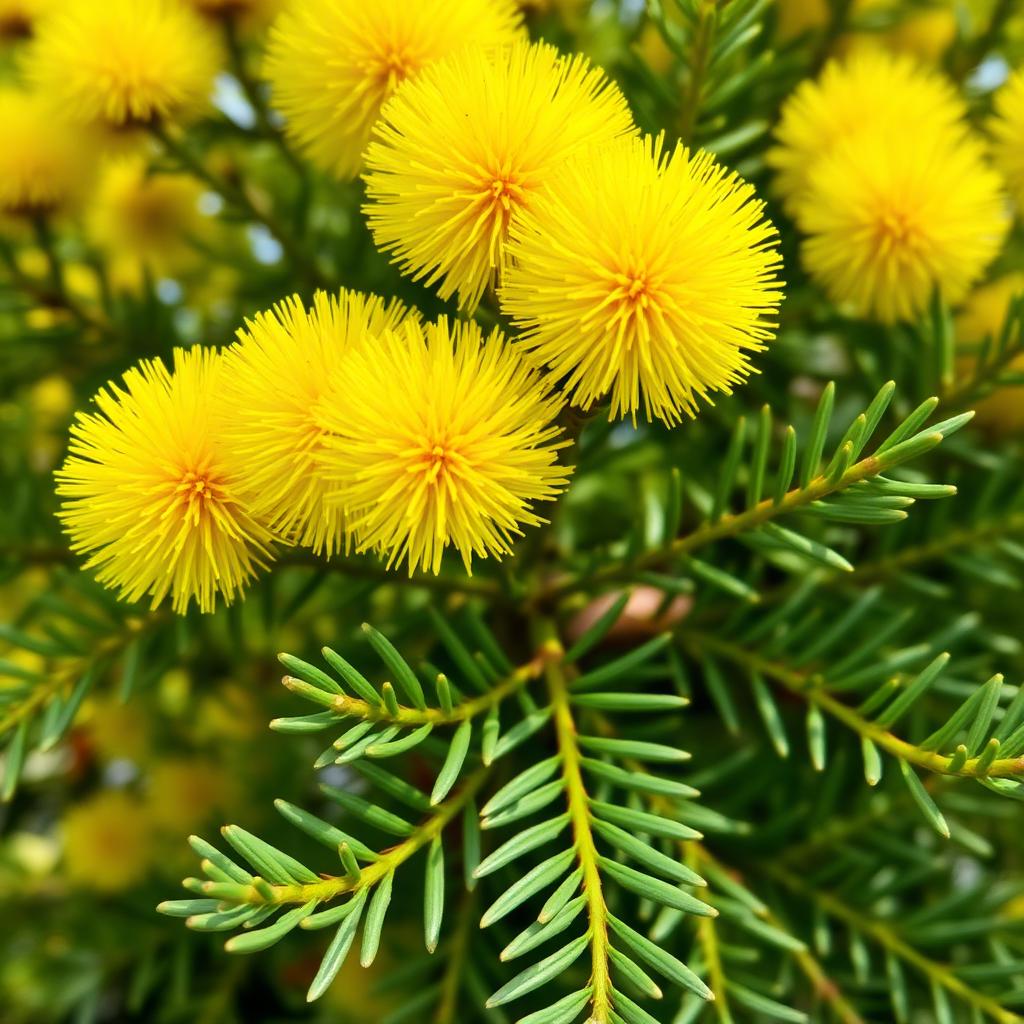
The Golden Wattle (Acacia pycnantha) is Australia's official national floral emblem. It is a small native tree or shrub native to south-eastern Australia, recognised by its bright yellow fluffy globe-shaped flowers and deep green sickle-shaped foliage.
It was proclaimed Australia's national floral emblem on August 19, 1988, during the country's bicentennial year. Its colours inspired the green and gold worn by every Australian national sporting team, and it is celebrated each year on National Wattle Day on September 1.
Beyond the symbolism, Acacia pycnantha is an unusually tough plant. It tolerates poor soils, survives drought, and actually depends on the heat of bushfires to crack open its seed coats and regenerate.
Botanical profile of Acacia pycnantha
Acacia pycnantha belongs to the Fabaceae (legume) family. The species name pycnantha comes from the Greek words for "dense flower," a nod to the tightly packed clusters that form each pom-pom bloom.
- Growth habit. Small tree or spreading shrub, typically 3 to 8 metres tall.
- Foliage illusion. Mature plants do not have true leaves. They develop phyllodes, modified leaf stems shaped like sickles, which conserve water and handle photosynthesis at the same time.
- Flowers. Each golden pom-pom head contains 40 to 80 tiny individual flowers fused into a single visual unit. The dense clusters appear on long racemes and release a sweet, distinctive fragrance.
- Seeds. Hard-coated and packaged in flat brown pods. Many Acacia seeds need the heat of bushfire to crack their coats and germinate.
- Range. Native to south-eastern Australia, including Victoria, southern New South Wales, the Australian Capital Territory, and South Australia. Now planted widely in gardens nationwide.
When and how it blooms
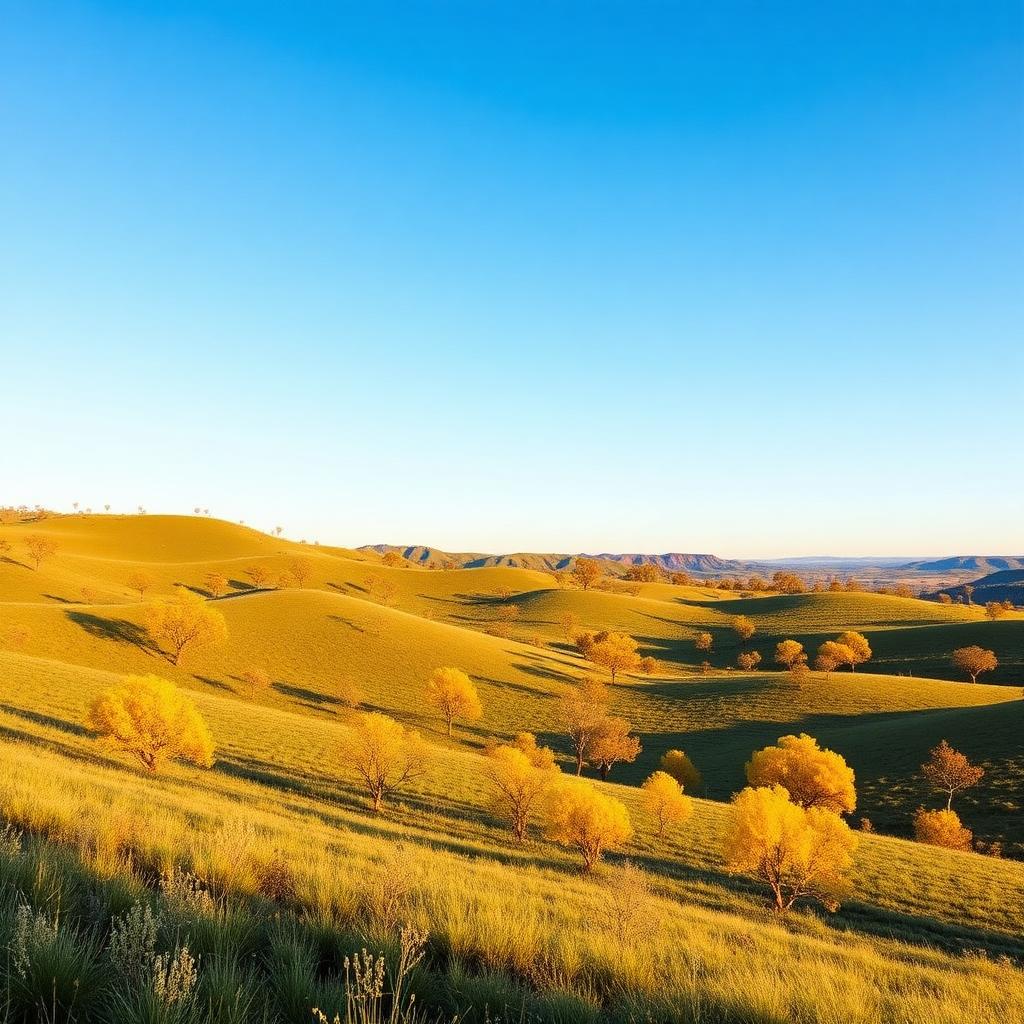
Golden Wattle blooms during the late Australian winter and early spring, usually July through September. The peak bloom typically lines up with September 1, which is exactly why that date became National Wattle Day. In a strong year, entire hillsides across Victoria turn a vivid yellow for several weeks.
Why it became the national flower
The case for the Golden Wattle as a national symbol was building for more than a century before it was formalised. Wattle blossoms appeared on early federation publications, on World War I memorials, and on the Coat of Arms approved in 1912, where Acacia pycnantha sits in the supporting branches around the central shield.
The species was officially proclaimed Australia's national floral emblem by Governor-General Sir Ninian Stephen on August 19, 1988, during the country's bicentennial celebrations. National Wattle Day on September 1 became an official national day in 1992.
Indigenous uses
Long before European settlement, First Nations communities across the wattle's natural range used the plant as a multi-purpose resource:
- Food. The protein-rich seeds were harvested, roasted, and ground into flour.
- Tools. The dense, springy timber was crafted into clubs, spears, and digging sticks.
- Medicine. Tannin-rich bark was used in traditional remedies for skin conditions and as an astringent.
- Gum. The sweet, sticky gum that oozes from damaged bark was eaten directly or dissolved in water as a drink.
The green and gold sporting connection
The unmistakable bright yellow of the flowers and the deep green of the foliage are the direct inspiration for Australia's national sporting colours. Cricket, rugby union, rugby league, soccer, hockey, and Olympic teams all wear green and gold in some combination, a visual link back to the wattle that surprises a lot of overseas visitors.
How to grow Golden Wattle at home
Acacia pycnantha is well suited to Australian and Mediterranean-climate gardens. Quick guidelines:
- Position. Full sun. It tolerates light shade but flowers more sparsely.
- Soil. Free-draining, slightly acidic. It dislikes waterlogged soils.
- Water. Drought tolerant once established. Avoid heavy irrigation.
- Fertiliser. As a legume it fixes its own nitrogen. Skip high-nitrogen fertilisers.
- Lifespan. Relatively short-lived, often 15 to 20 years.
- Care note. Outside its native range, especially in parts of southern Africa and California, Acacia pycnantha is considered invasive. Check local regulations before planting overseas.
Common misconceptions
- The wattle does not cause hay fever. Its pollen is heavy and sticky, designed to be carried by insects, not wind. Most spring sneezing in Australia is caused by grass pollens that flower at the same time.
- Not every yellow Australian flower is wattle. There are more than 1,000 Acacia species worldwide, with about 1,000 of those native to Australia. Acacia pycnantha is just one of them, and many other yellow-flowering Australian natives are mistaken for it.
- Wattles are not always trees. Different Acacia species range from prostrate ground covers to tall shade trees.
Frequently asked questions
When did the Golden Wattle become Australia's national flower?
It was formally proclaimed Australia's national floral emblem on August 19, 1988.
When is National Wattle Day?
September 1, every year.
Is the Golden Wattle native only to Australia?
Yes. Acacia pycnantha is native to south-eastern Australia. It has been introduced overseas, where it is sometimes invasive.
What do the green and gold sporting colours come from?
From the Golden Wattle itself: gold for the flowers and green for the foliage.