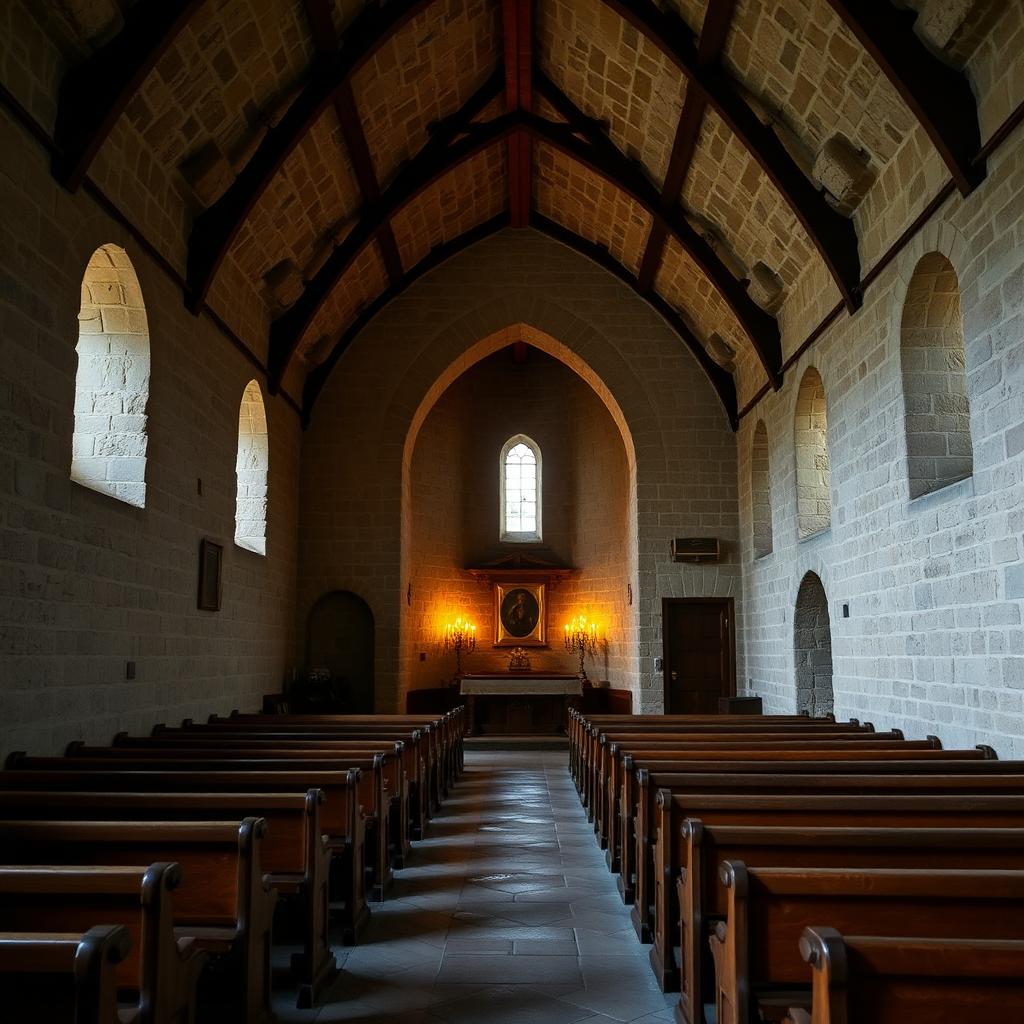
Quick Answer
The Liturgy of the Hours, also called the Divine Office or the breviary, is the official daily prayer cycle of the Catholic Church and most historic Christian traditions. It uses the Psalms, scripture readings, hymns and intercessions to sanctify fixed moments of the day: morning (Lauds), midday (Terce, Sext, None), evening (Vespers), night (Compline) and a longer reading hour (Office of Readings).
Clergy and religious orders pray it as a daily obligation. Increasing numbers of lay Catholics, Anglicans, Lutherans and Orthodox believers pray at least one or two hours a day from it, often using the iBreviary or Universalis apps to follow the correct day's texts without paper books.
Where the Hours come from
The roots run to the Jewish practice of fixed daily prayer at the third, sixth and ninth hours, which Jesus and the apostles observed (the Spirit falls at the third hour at Pentecost; Peter goes up to pray at the sixth hour in Acts 10). Early Christian communities extended this into a fuller cycle through the third and fourth centuries.
The system was codified by Saint Benedict in his sixth-century Rule, which prescribed eight hours of prayer for monastic communities. The structure has been refined repeatedly since (most recently in the 1970 reform after the Second Vatican Council) but the bones are still Benedictine. A monastery in 2026 prays the same psalms in roughly the same rhythm as a monastery in 626.
The hours, plain and simple
- Office of Readings. Long. Two psalms, a longer scripture reading and a patristic or saints' reading. Traditionally prayed at night by monks; modern lay practice often slots it whenever quiet time appears.
- Lauds (morning prayer). Around sunrise. Centres on the Benedictus, the canticle of Zechariah from Luke 1, celebrating Christ as the rising sun.
- Daytime prayers (Terce, Sext, None). Mid-morning, midday and mid-afternoon. Short. Designed to interrupt work and re-anchor attention.
- Vespers (evening prayer). Around sunset. Centres on the Magnificat, the canticle of Mary from Luke 1, the song of God lifting the lowly.
- Compline (night prayer). Right before sleep. Includes an examination of conscience and the Nunc Dimittis from Luke 2, in which Simeon hands his life back to God.
What an hour actually looks like
Every hour follows the same skeleton, which is the genius of the system. Once you know the skeleton, you can pray any hour in any era.
- Opening verse. "O God, come to my assistance. O Lord, make haste to help me." Followed by the Glory Be.
- Hymn. A seasonal hymn that sets the tone for the hour.
- Psalmody. Two or three psalms (or psalm portions) and a New Testament canticle, each framed by a short antiphon that highlights the Christological reading of the text.
- Scripture reading. A short passage, longer in the Office of Readings.
- Responsory. A brief sung or spoken response.
- Gospel canticle. Benedictus at Lauds, Magnificat at Vespers, Nunc Dimittis at Compline.
- Intercessions and the Lord's Prayer. Prayers for the church and the world, ending with the Our Father.
- Concluding prayer and blessing.
Why pray it as a lay person
Lay interest in the Hours has grown noticeably over the past two decades, driven partly by app availability and partly by burnout from devotional styles that depend on personal mood. Three concrete benefits keep people praying it.
- It removes the writer's block of prayer. The texts are already chosen. You show up; the church hands you the words.
- It connects you to a global community in real time. When you pray Lauds on Tuesday of week III, you are praying the exact same psalms as monks in Argentina, nuns in Korea and lay Catholics on the morning commute in Birmingham.
- It sanctifies time itself. Praying at dawn, noon and dusk treats the day as a gift to be marked rather than a resource to be spent. Over months the rhythm reshapes how time feels.
How to start without buying anything
The two most widely used free or low-cost tools are the iBreviary app (free, multilingual, includes the official current-day texts) and Universalis (a small one-off purchase, English, very clean layout). Both serve every hour for every day of the liturgical year with no flipping between ribbons. A realistic starter rhythm for a lay believer:
- Week 1 to 2. Pray only Compline, right before bed. It is the shortest hour and the easiest to commit to.
- Week 3 to 4. Add Lauds in the morning before email.
- Month 2. Add Vespers in the evening as the day winds down.
- Month 3 onward. Add a midday hour and the Office of Readings as desire grows. Most lay practitioners settle at three or four hours a day, never seven.
Compline: the small hour that often hooks people
Most lay people who stay with the Office did so because Compline grabbed them first. It is brief, deeply quiet, and ends with the Nunc Dimittis: "Lord, now you let your servant go in peace; your word has been fulfilled." Praying that line every night reframes sleep as a small daily rehearsal of dying well, with no fear, into the hands of God. After a month it is hard to imagine going to bed without it.
The takeaway
The Liturgy of the Hours is a fifteen-hundred-year-old, scripture-soaked rhythm of prayer that any believer with a phone can join tonight. Start with Compline, add Lauds, and let the Office teach you what consistent prayer feels like when it no longer depends on your mood. The tradition will carry you on the days you cannot carry yourself.