
Quick Answer
A steroid nasal spray is the most effective over-the-counter option for ragweed symptoms, and it works best when you start it a week or two before your usual bad stretch rather than after it starts.
Add a non-drowsy antihistamine tablet for itching and sneezing, and saline rinses to physically clear pollen out of your nose.
Behaviour matters as much as pharmacy. Closed windows, an evening shower and keeping outdoor clothes out of the bedroom remove a surprising amount of the pollen you would otherwise breathe all night.
Why Ragweed Is Such a Problem
Ragweed releases pollen from late summer into the first hard frost, with the heaviest weeks typically falling in September across much of North America. A single plant can produce an enormous quantity of grains, and those grains are light enough to travel long distances on the wind.
That is the difference between ragweed and something like grass pollen. You do not need ragweed in your garden to react to it, because the pollen you are breathing may have come from miles away.
Pollen counts usually run highest in the morning and on dry, breezy days. Rain knocks pollen out of the air temporarily, though counts often rebound sharply once things dry out.
The Tools, Ranked by How Much They Help
| Option | Best for | How long until it works |
|---|---|---|
| Steroid nasal spray | Congestion, runny nose, sneezing, overall control | Several days, full effect in one to two weeks |
| Non-drowsy antihistamine tablet | Sneezing, itching, itchy eyes | An hour or two |
| Antihistamine eye drops | Itchy, watery, gritty eyes | Minutes |
| Saline rinse or spray | Physically removing pollen and mucus | Immediate, short lived |
| Decongestant tablets or sprays | Short bursts of blocked nose | Fast, but strictly short term |
Most people reach for the tablet first because it is familiar. That is backwards for anyone whose main complaint is a blocked, streaming nose, because the nasal spray is the stronger tool for exactly those symptoms.
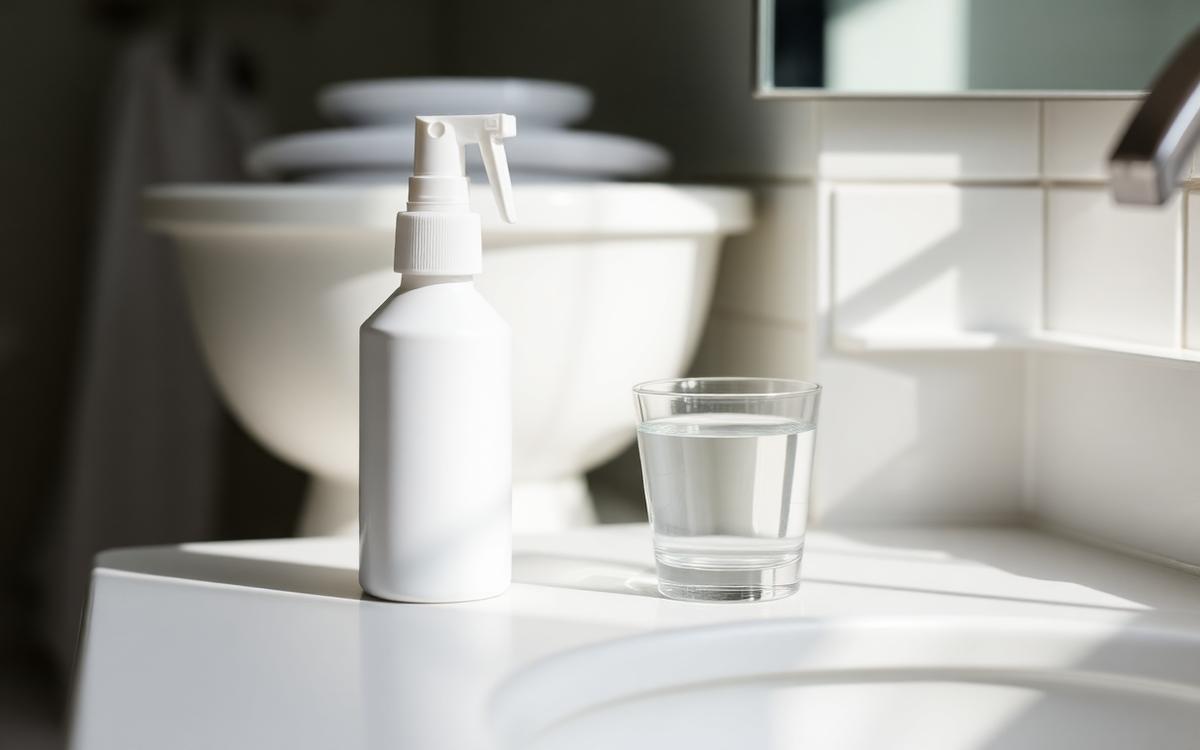
Getting the Nasal Spray Right
Steroid nasal sprays are widely misused, and the two mistakes are almost universal.
The first is stopping too early. These sprays reduce inflammation over days, not minutes. Using one for two days, deciding it does nothing and abandoning it is the most common way people conclude the product failed.
The second is aiming it at the septum, the wall in the middle of your nose. That causes irritation and nosebleeds and delivers the medicine to the wrong place. Aim outward toward the same-side ear, use the opposite hand for each nostril, and do not sniff hard afterwards. A gentle breath in is enough.
The Decongestant Trap
Decongestant nasal sprays work brilliantly and briefly. Use them for more than about three days in a row and you can end up with rebound congestion, where the nose blocks up worse each time the dose wears off.
Keep them for a specific short need such as a flight or a night when you cannot sleep at all, and never as a season-long habit. Oral decongestants can also raise blood pressure and disrupt sleep, so they are a poor default for anyone managing either.
Cutting Your Exposure at Home
These changes are free and they compound.
- Keep bedroom windows shut through peak season and run air conditioning on recirculate instead.
- Shower and wash your hair in the evening rather than the morning, so you are not transferring a day of pollen onto the pillow.
- Change out of outdoor clothes before sitting on soft furnishings, and keep them out of the bedroom.
- Dry laundry indoors during peak weeks. Line-dried sheets act as pollen collectors.
- Wipe down pets after they have been outside, since fur carries pollen straight to the sofa.
- Use a HEPA air cleaner in the bedroom, sized for the room, and run it with the door closed.
- Wear wraparound sunglasses outdoors, which genuinely reduces the pollen reaching your eyes.
Timing Beats Everything
The single highest-value change is starting treatment before symptoms peak. Allergic inflammation is easier to prevent than to reverse, and a nose that has been inflamed for two weeks responds slowly to anything.
Look up when ragweed usually peaks in your region, then start the nasal spray a week or two ahead of it. Keep it going daily through the season rather than dosing reactively on bad days. Check a local pollen forecast during the season and plan outdoor exercise for later in the day or after rain.
What About Local Honey and Other Home Remedies?
Local honey is the most persistent allergy myth going. Bees collect from flowering plants pollinated by insects, whereas ragweed is wind pollinated, so the pollen making you miserable is largely not in the honey. Evidence of benefit is weak.
Saline rinsing, by contrast, is cheap and genuinely useful. Use distilled, sterile or previously boiled and cooled water rather than straight tap water, and clean the device after every use. Steam inhalation may feel soothing but does nothing for the underlying allergic response.
When to Stop Self-Treating
See a clinician if symptoms persist despite consistent over-the-counter treatment, if you are wheezing or short of breath, if you have asthma that is getting harder to control, if you are treating a young child, or if you are pregnant or breastfeeding.
Persistent symptoms are also the point at which allergy testing and immunotherapy become worth discussing. Immunotherapy is the only approach that changes the underlying sensitivity rather than managing the symptoms, and for people whose autumn is written off every year it is a genuinely different conversation.
The Bottom Line
Start a steroid nasal spray early, use it correctly and keep using it. Add an antihistamine and eye drops for the symptoms it does not fully cover, rinse with saline, and cut exposure at home with closed windows and evening showers.
Save decongestants for emergencies and get medical advice if a full season of consistent treatment is still leaving you miserable.
Frequently Asked Questions
When is ragweed season worst?
Late summer into autumn, with the heaviest weeks usually in September, ending with the first hard frost.
Which works better, tablets or nasal spray?
Steroid nasal sprays control congestion and overall nasal symptoms better. Tablets are better for itching and sneezing, and many people use both.
How early should I start treatment?
One to two weeks before your usual peak, because preventing inflammation is easier than reversing it.
Is it safe to use a steroid nasal spray all season?
Seasonal daily use as directed on the label is normal. Ask a pharmacist or doctor about longer use or use in children.
Does local honey help ragweed allergies?
There is little evidence for it, largely because wind-pollinated ragweed pollen is not what bees are collecting.
Do air purifiers actually work?
A correctly sized HEPA unit in a closed bedroom reduces airborne pollen, which mostly helps overnight symptoms.