
Quick Answer
Seasonal depression, called seasonal affective disorder or SAD, is a type of depression that comes back at the same time each year. For most people it starts in late fall or early winter and lifts in spring.
Signs include low mood, low energy, oversleeping, craving carbs and losing interest in things you enjoy. Proven treatments include light therapy, talk therapy (especially a form of CBT built for SAD) and antidepressants.
If your mood drops every fall and it affects daily life, talk to a doctor. Seasonal depression is common and very treatable, and you can learn to cope with it.
What Is Seasonal Affective Disorder?
The National Institute of Mental Health describes SAD as depression with a recurring seasonal pattern. Symptoms last about 4 to 5 months out of the year.
Most people have winter pattern SAD. A smaller group has summer pattern SAD, with symptoms in spring and summer instead.
Is It Just the Winter Blues?
Many people feel a bit flat when days get short. That is the winter blues, and it usually does not stop you from working, sleeping or seeing friends.
SAD is more serious. It is a form of major depression that changes how you feel, think and act for weeks at a time.
What Are the Symptoms of Seasonal Depression?
SAD shares the core signs of depression:
- Sad, anxious or empty mood most days for at least 2 weeks
- Losing interest in hobbies and people
- Low energy and feeling slowed down
- Trouble concentrating or making decisions
- Feelings of guilt, hopelessness or worthlessness
- Changes in sleep or appetite
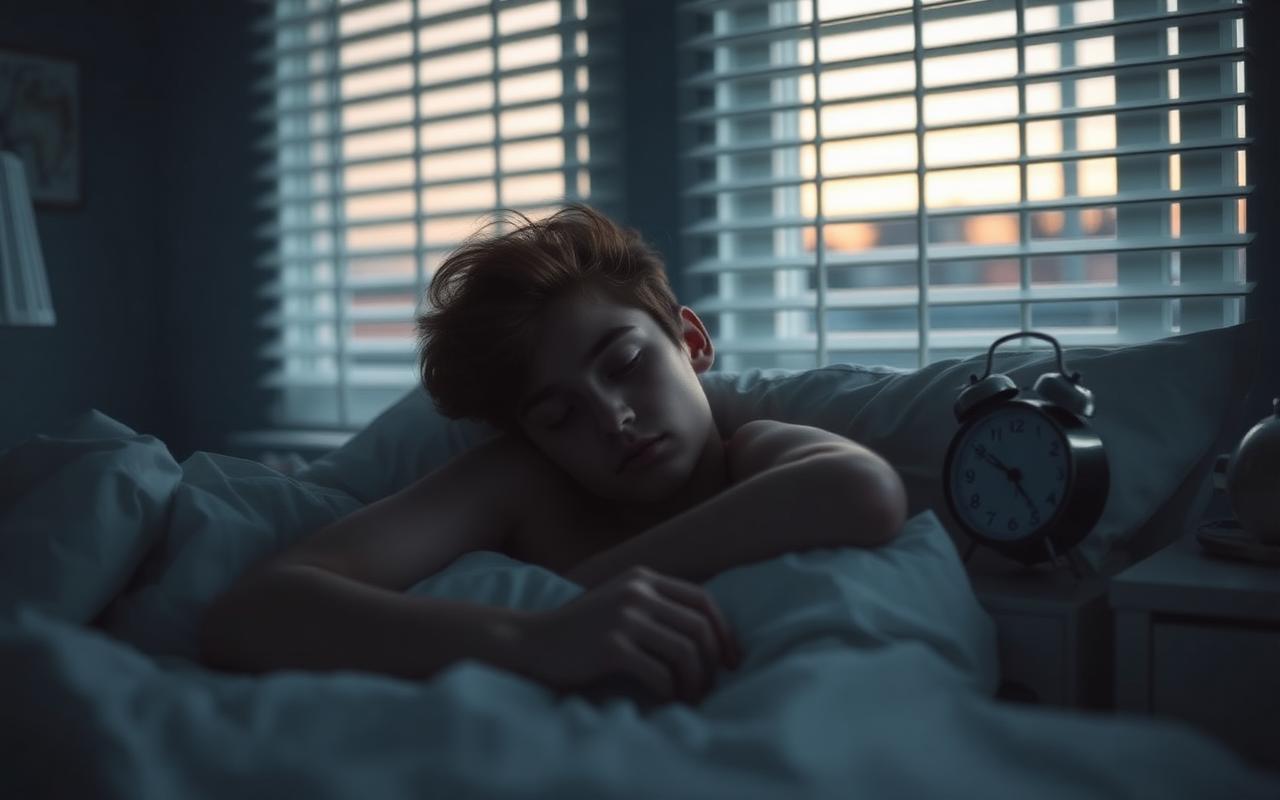
Winter pattern SAD often adds oversleeping, craving carbohydrates, overeating, weight gain and pulling away from social life, a feeling some describe as hibernating.
What Causes SAD?
The exact cause is not fully known. Shorter days and less sunlight are thought to disturb the body clock and shift brain chemicals that affect mood and sleep, such as serotonin and melatonin.
Risk is higher for people who live far from the equator, women, younger adults and anyone with a personal or family history of depression or bipolar disorder, according to the NCCIH.
Does the Time Change Make It Worse?
Many people notice their mood dips after clocks fall back in early November, because darkness arrives in the late afternoon.
The time change does not cause SAD on its own, but losing evening light can make symptoms more noticeable. Getting outside in the morning helps.
How Does Light Therapy Work?
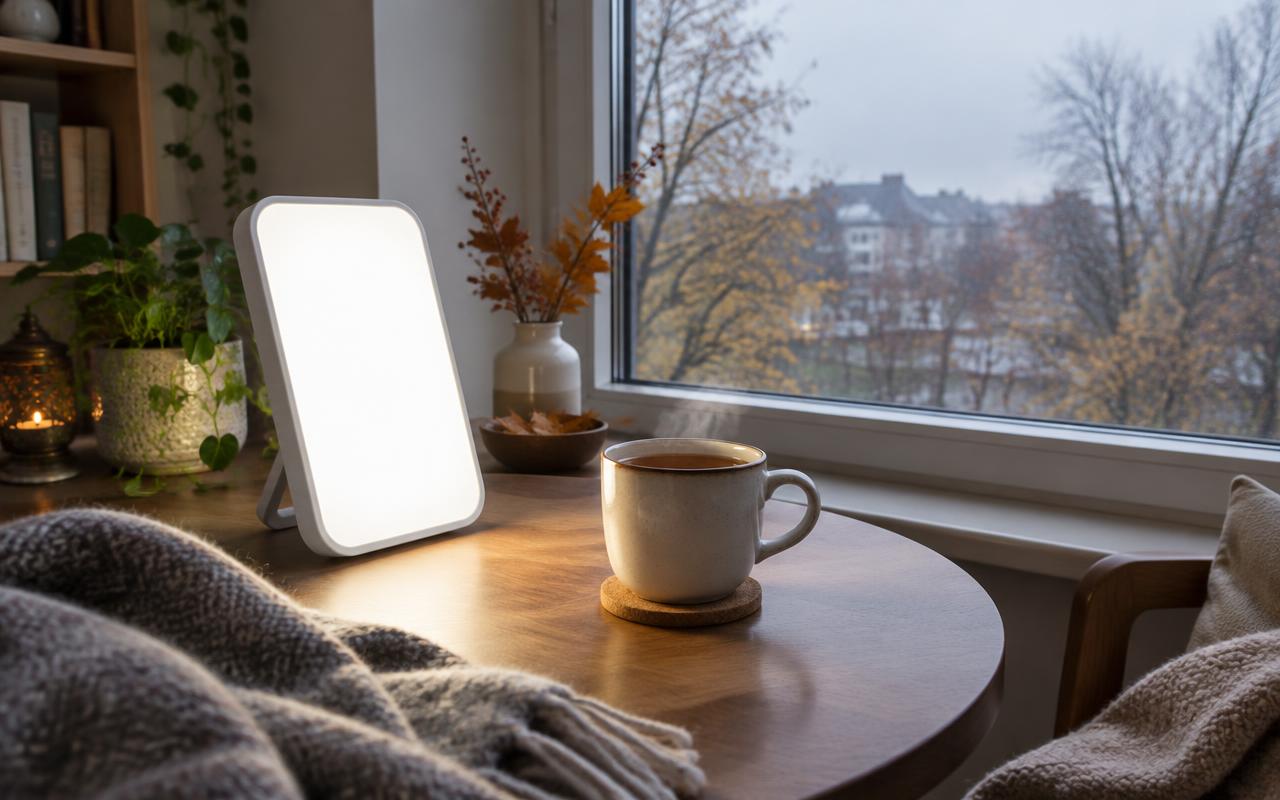
Light therapy is a first line treatment for winter SAD. You sit near a light box that is much brighter than normal indoor lighting, usually for 20 to 60 minutes each morning from early fall until spring.
The NCCIH notes studies where light therapy helped SAD about as much as medication or CBT. Light boxes made for SAD typically provide 10,000 lux and filter out UV.
What Other Treatments Help?
- CBT for SAD: a version of cognitive behavioral therapy that targets winter thoughts and habits. Its benefits can last into later winters.
- Antidepressants: SSRIs or bupropion, prescribed by a doctor. Bupropion can be started before symptoms usually begin.
- Vitamin D: low levels are common in people with SAD, but it is unclear whether supplements relieve symptoms. Ask your doctor to test first.
What Can You Do Day to Day?
- Get morning light: a 20 to 30 minute walk soon after sunrise, even on cloudy days.
- Keep a steady sleep schedule: wake at the same time daily, even on weekends.
- Move your body: regular exercise eases depression symptoms for many people.
- Plan social time: put calls and visits on the calendar before you feel like withdrawing.
- Brighten your space: open blinds, sit near windows and use brighter bulbs.
- Limit alcohol: it worsens mood and sleep.
When Should You See a Doctor?
See a doctor or mental health professional if low mood lasts more than two weeks, if you notice the same pattern every year, or if it affects work, school or relationships.
A doctor can rule out other causes, such as thyroid problems, and help choose a treatment. Talk to them before starting a light box if you have bipolar disorder or an eye condition.
What if You Are in Crisis?
If you have thoughts of harming yourself, call or text 988 to reach the 988 Suicide and Crisis Lifeline in the US, any time, day or night. If you are in danger, call 911.
How Do You Choose and Use a Light Box?
Look for a box designed for SAD that delivers 10,000 lux at the recommended distance and filters out UV light. Larger screens are easier to use because the light reaches your eyes even when you shift position.
Set it about 16 to 24 inches from your face, slightly above eye level and off to the side. You do not look straight into it. Read, eat breakfast or work while it is on.
Use it early in the day, ideally within an hour of waking. Evening use can disrupt sleep. Mild headaches or eye strain are possible at first, and usually ease when you sit a little farther away or shorten the session.
How Can Friends and Family Help?
Notice changes, like skipped plans, extra sleep or irritability, and ask kindly how the person is doing. Invite them on a short daytime walk instead of waiting for them to reach out.
Offer practical help, such as a ride to an appointment, and avoid telling them to simply cheer up. Depression is a health condition, not a choice.
Frequently Asked Questions
When does seasonal depression start?
Usually in late fall or early winter, often October or November.
Can you prevent SAD?
Starting light therapy or treatment before symptoms usually begin can help some people.
Do light boxes work on cloudy days?
Yes. They replace the light you miss, whatever the weather.
Is SAD a real diagnosis?
Yes. It is recognized as a type of depression with a seasonal pattern.
The Bottom Line
Seasonal depression is a real, recurring type of depression tied to shorter days. It often brings low energy, oversleeping and carb cravings.
Light therapy, CBT and medication all help. Morning light, exercise and staying social make a difference too. If the pattern returns every fall, talk to a doctor early.