Quick Answer
The 2026 vomiting virus outbreak is a wide scale surge in cases of norovirus, the highly contagious gastrointestinal virus that is the leading cause of acute gastroenteritis in the United States. Schools, offices, daycares, and care homes are reporting elevated absenteeism as the virus moves quickly through close contact settings.
Symptoms usually arrive 12 to 48 hours after exposure and include sudden projectile vomiting, watery diarrhoea, abdominal cramps, low grade fever, and intense fatigue. The acute phase typically lasts 1 to 3 days in healthy adults.
The single most important practical fact: alcohol based hand sanitizer does not kill norovirus. Only soap, water, and physical friction remove the virus from skin, and only bleach based cleaners reliably kill it on surfaces.
How Norovirus Differs From a Stomach Bug You Recover From Slowly
People often lump norovirus in with generic stomach upsets, but it behaves very differently. Where a typical viral cold builds gradually over a couple of days, norovirus is famous for its sudden, explosive onset. A person can feel completely fine in the morning and be violently ill by the evening.
The illness is short but intense. For most healthy adults, the worst of the vomiting and diarrhoea lasts somewhere between 1 and 3 days, followed by a fairly rapid return to baseline. For young children, older adults, pregnant people, and anyone immunocompromised, the dehydration risk during that window is the dangerous part.
The Classic Symptom Window
Symptoms usually appear 12 to 48 hours after exposure. Watch for:
- Sudden projectile vomiting and persistent nausea that does not respond to small sips of water.
- Profuse watery diarrhoea, often multiple episodes within a short period.
- Sharp abdominal cramps and stomach spasms.
- Low grade fever, sometimes with chills.
- Generalised muscle aches, headache, and profound fatigue.
Warning signs that warrant urgent medical attention include very dark urine or no urination for eight or more hours, dizziness on standing, sunken eyes, lethargy in a child, confusion in an older adult, or blood in stool or vomit.
Why Hand Sanitizer Does Not Work
This is the single biggest piece of misinformation circulating in the 2026 outbreak. People are walking out of public restrooms confident that a pump of gel sanitizer has protected them. It has not.
The reason is structural. Influenza and the coronavirus family are enveloped viruses, wrapped in a lipid membrane that alcohol easily dissolves. Norovirus is a non enveloped virus, protected by a tough protein shell called a capsid. Alcohol cannot break through that shell. The virus particles sit on your skin completely undisturbed by the sanitizer, ready to be transferred to your mouth the next time you touch your face or pick up food.
What Actually Works
Two interventions are evidence based and effective:
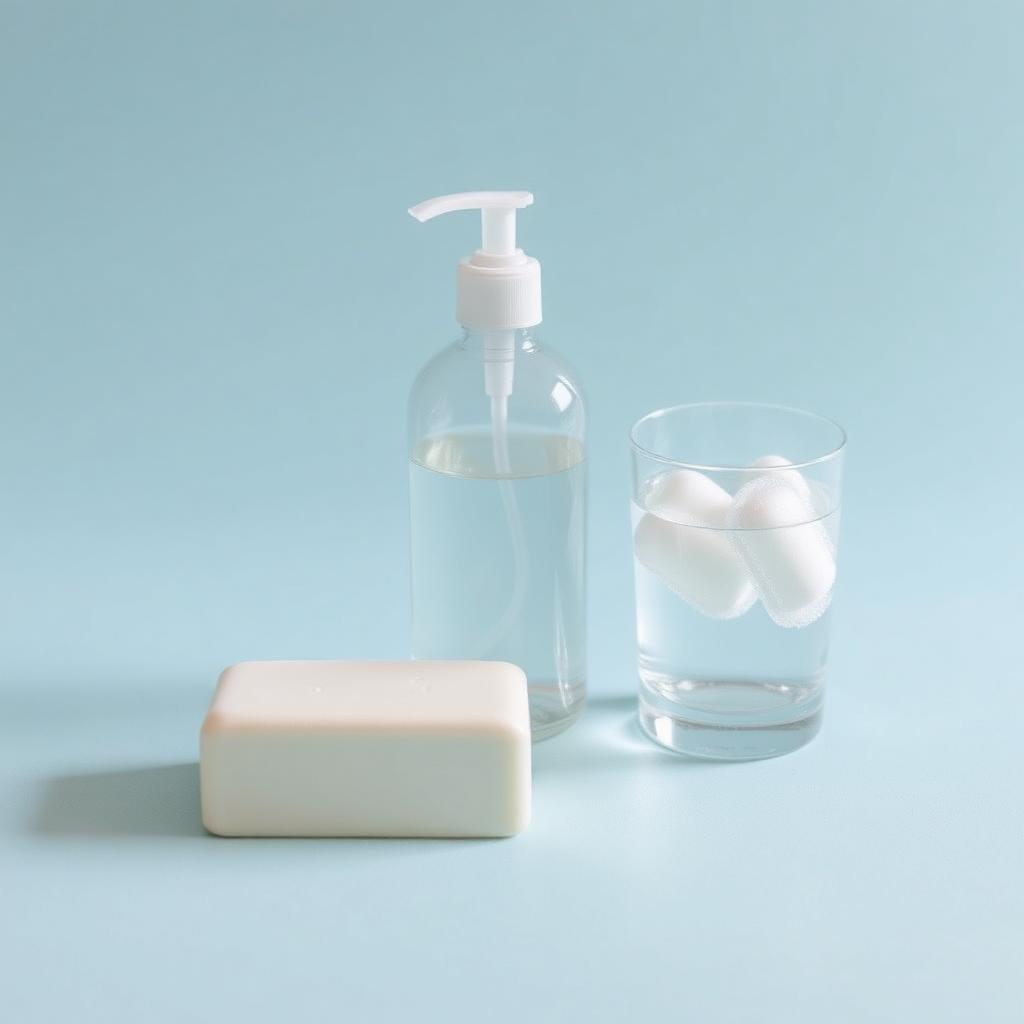
- Soap, water, and 20 seconds of friction. Wash with running water and liquid soap, scrubbing palms, backs of hands, between fingers, under nails, and the wrists. The soap and the mechanical action together dislodge virus particles and flush them down the drain. This is the gold standard.
- Diluted bleach for surfaces. Norovirus can survive on doorknobs, taps, counters, toys, and remote controls for up to two weeks. Standard household disinfectant sprays often will not touch it. Use a freshly mixed bleach solution at the concentration recommended by the US Centers for Disease Control and Prevention, or an EPA registered product explicitly labelled as effective against norovirus.
For cleaning up after an episode of vomiting, wear disposable gloves, use absorbent paper towels, bag the waste tightly, then clean and disinfect the surface with the bleach solution. Ventilate the room and wash hands thoroughly afterward.
Recovery and Rehydration Without Making It Worse
If norovirus does make it into your household, the recovery plan is unglamorous but effective. Three rules cover most situations:
- Do not chug fluids straight after vomiting. A large volume of water hitting an irritated stomach almost always triggers another episode. Wait 20 to 30 minutes, then start with small frequent sips or spoonfuls.
- Use an oral rehydration solution. Products like Pedialyte, or a properly formulated electrolyte sachet mixed with water, replace the sodium, potassium, and glucose lost during vomiting and diarrhoea. Plain water alone does not.
- Eat blandly when you can keep food down. Toast, plain rice, bananas, and broths are easy on a recovering gut. Push past dairy, alcohol, very fatty foods, and strong spices for a couple of days.
Skip the social media cures. There is no clinical evidence that activated charcoal, grape seed extract, flat cola, or apple cider vinegar shots prevent or shorten a norovirus episode.
Why You Can Spread It Long After You Feel Better
This is the part most people get wrong, and it is why outbreaks roll through schools and offices in waves. A recovered person continues shedding billions of active virus particles in stool for up to two full weeks after symptoms vanish.
The practical implications are simple but firm:
- Stay home for at least 48 to 72 hours after the last episode of vomiting or diarrhoea, even if you feel back to normal.
- Do not prepare food for other people during that window. Food handlers are responsible for a disproportionate share of outbreaks in restaurants, schools, and care homes.
- Wash hands meticulously after every bathroom visit for two weeks, not just the first few days.
Who Is Most at Risk Right Now
Anyone can catch norovirus, but a few groups need more careful monitoring during the 2026 surge:
- Young children dehydrate quickly. Track wet nappies or trips to the bathroom and contact a clinician if intake stops.
- Older adults, particularly those in care settings, can decompensate rapidly. Low threshold for medical review.
- Pregnant people should call their provider early to discuss safe antiemetics and rehydration.
- Immunocompromised individuals can shed virus for longer and may need closer follow up.
The Takeaway
The 2026 norovirus surge is unpleasant but manageable if you respect how the virus actually behaves. Sudden onset 12 to 48 hours after exposure, 1 to 3 days of intense symptoms, and a long shedding tail afterwards. Hand sanitizer is not a defence. Soap, water, friction, bleach based surface cleaning, oral rehydration solutions, and a strict 48 to 72 hour post symptom isolation window are. Treat those steps as the actual public health intervention they are, and the chain of transmission inside your household and workplace stops with you.