Quick Answer
Agree the arrival and departure times before you travel, bring a gift, keep to your host's routine rather than your own, and strip the bed before you leave.
Three nights is the usual limit for staying with friends unless you have been specifically invited for longer.
The best houseguests are the ones who create almost no extra work, and almost all of that is decided by small habits rather than grand gestures.
Before You Arrive
Proper overnight houseguest etiquette starts before you travel. Confirm the exact dates and rough arrival time. Vague plans force a host to keep a whole day free waiting for you.
Ask what you should bring: a towel, bedding, an air bed, food for a particular meal. Some hosts have everything and some genuinely do not.
Mention allergies, dietary needs and anything about pets before you arrive, not when dinner is served.
Say if you are bringing anybody else, including a partner, a child or a dog. None of these can be assumed.
Ask about house access, parking and whether there is a code or a key, so you are not stranded on the doorstep.
How Long to Stay
The old line about guests and fish going off after three days exists for a reason. Two or three nights is the comfortable default with friends.
Family often stretches longer, but even there, a longer stay should be discussed rather than drifted into.
If you need a longer stay, say the number of nights out loud when you ask, and offer a firm departure date.
Leave slightly before you have run out of welcome. Guests who go home while everybody is still enjoying it get invited back.
What to Bring
Bring a gift on arrival: wine, good coffee, chocolates, something local from where you live, or a plant.
Bring your own toiletries, chargers, medication and anything you specifically need. Do not plan to use your host's shampoo or borrow their razor.
Bring an eye mask and earplugs if you sleep badly. It is not your host's job to make the house darker or quieter.
Offer to buy or cook one meal during the stay. Taking a night off cooking is the most valuable thing you can give a host.
The Bathroom
Ask about the shower schedule on day one, particularly if the household has one bathroom and a work morning.
Keep showers short and be aware of hot water limits, especially in older houses and flats.
Wipe the sink, hang your towel and keep your things in one bag rather than spread across every surface.
Do not leave hair in the drain or on the tiles. It is the single most complained about houseguest habit.
Ask where to put wet towels rather than leaving them on a bed or a wooden floor.
The Kitchen
Ask before helping yourself the first time, then follow whatever the host says. Many hosts genuinely mean help yourself to anything.
Wash up as you go, or at minimum load whatever you used into the dishwasher.
Do not rearrange cupboards, throw out food or reorganise anything. Put things back exactly where you found them.
Replace what you finish. If you drink the last of the milk, buy milk.
Ask about the coffee machine rather than experimenting with it at 6am.
Fitting Into the Household
Follow the household's hours. If they are up at six and asleep at ten, do not be watching television at one in the morning.
Be quiet in the mornings if you wake first. Make your coffee, read something and let people get up in their own time.
Do not treat your hosts as a full time activities team. Take yourself out for part of at least one day so they get their house back.
Include yourself in the ordinary rhythm. Walking the dog, doing the school run, sitting in the garden doing nothing: that is what staying with people actually is.
Ask about house rules on shoes, smoking, vaping, alcohol and which rooms are off limits, and follow them exactly.
Children and Pets
If you bring children, you supervise them, including in the garden, near breakables and around the host's pets.
Bring their food, bedding, nappies and enough entertainment. Do not assume a childless household has anything.
Clear up after them yourself, every time, rather than at the end of the day.
Never bring a pet without explicit agreement, and if you do, bring a bed, bowls, food and a lead, and clean up in the garden.
Money
Offer to contribute. Buying a big food shop, paying for one dinner out, or covering fuel for the airport run are all easy and welcome.
Do not hand over cash unless your host has asked. It usually makes people uncomfortable.
For a longer stay, contributing to bills is reasonable and should be raised by you, not by them.
Pay for your own extras: taxis, tickets, drinks and anything you specifically wanted to do.
The Morning You Leave
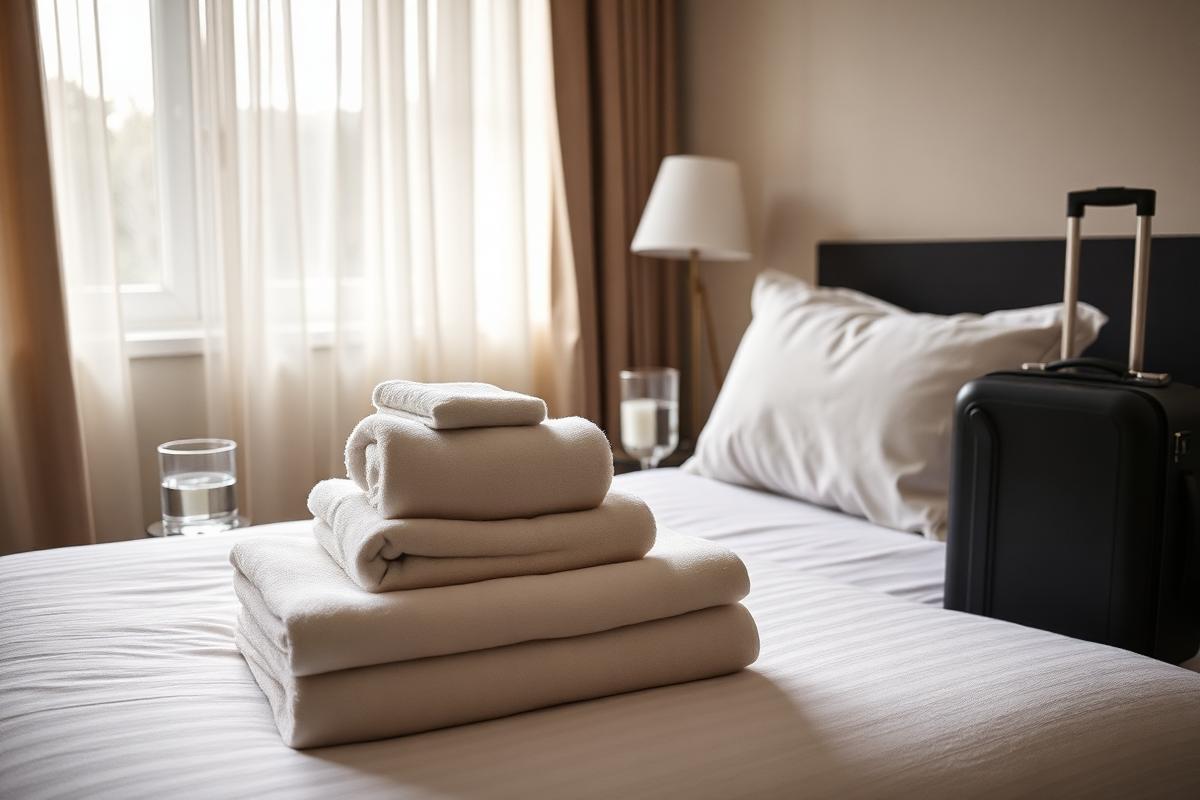
Strip the bed. Pull the sheets, pillowcases and duvet cover off and fold them at the end of the bed with the used towels on top.
Ask whether to put a wash on. Some hosts want it, some would rather do it themselves.
Leave the room tidy, check under the bed and in the drawers, and take everything with you.
Leave a thank you note somewhere they will find it, or a small gift for the house.
Say a proper goodbye rather than slipping out early, unless your flight genuinely makes that impossible.
Afterwards
Send a message the same day to say you got home safely and thank them again.
Return the hospitality when you can, even if your place is smaller. Reciprocity is what keeps these visits going for decades.
If you broke something, tell them and replace it. Discovering it later is much worse than hearing it from you.
Frequently Asked Questions
How long should you stay at someone's house?
Two or three nights with friends unless you have been invited for longer. Family stays are often longer but should still be agreed in advance.
Should you strip the bed as a houseguest?
Yes. Strip the sheets, fold them at the end of the bed with the used towels, and ask whether to start a wash.
What gift should you bring when staying with someone?
Wine, good coffee, chocolates, a plant or something local from where you live. Bring it on arrival rather than at the end.
Should you offer money to your host?
Offer to contribute practically instead: buy a food shop, take them out for a meal or cover the fuel. Cash usually feels awkward unless it was requested.
Is it rude to go out on your own during a stay?
No. Taking yourself out for part of a day gives your hosts their house back and is usually appreciated.
Bottom Line
Agree the dates, bring a gift, keep your things in one place, follow the household's hours and clean up behind yourself every single time.
Cook or buy one meal, strip the bed on the last morning, leave a note, and message them when you get home.