Quick Answer
Phone away and silent for the whole film, no talking once the feature starts, sit in your allocated seat, and keep your feet off the seat in front.
Arrive before the trailers end, choose quiet snacks, and take your rubbish out with you.
Everything on this list comes down to one idea: the other people paid for the same screening you did.
Phones Are the Whole Problem
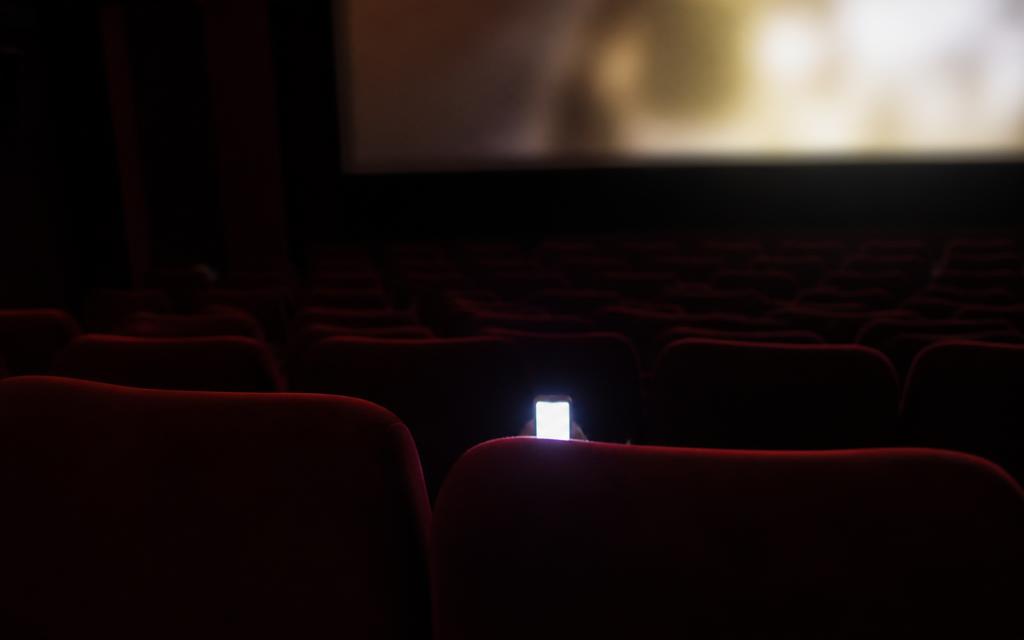
Proper movie theater etiquette is mostly about screens. A lit phone screen in a dark auditorium is visible to dozens of people, and the human eye is drawn to it automatically. That is why it ruins scenes for entire rows.
Silent is not enough. Turn the screen off entirely rather than lowering the brightness, and put the phone in a pocket or a bag.
Do not text, do not check the time, and do not look at a notification "just for a second." Screen brightness settles at whatever the room is not.
Never film or photograph the screen. It is illegal in most territories, and it is a legitimate reason to be removed.
If you genuinely must take a call, leave the auditorium first and answer in the corridor.
Talking
Chat freely through the adverts and trailers, then stop when the certificate card appears.
Whispering carries further than people think in a room designed to distribute sound evenly. A whisper two rows back is audible.
Do not explain the plot, predict what happens next, or read subtitles out loud. If somebody genuinely needs help following, whisper once and briefly.
Reactions are different from commentary. Laughing, gasping and applause are part of a shared screening and nobody objects to them.
Some screenings invert this entirely. Sing along, quote along and baby friendly screenings exist precisely so the normal rule does not apply.
Seats
Sit in the seat printed on your ticket. Moving into a better empty seat causes the argument that happens in every cinema when the real ticket holder arrives.
If the screening is genuinely empty and you want to move, wait until the feature has started and the room is settled.
Do not put feet on the seat in front, and do not kick or knee it. The seat backs transmit every movement directly to the person in front.
Take one armrest, not both. The usual convention is that you take the armrest on your right.
Sit down when others are already seated rather than standing to arrange coats and drinks in front of the screen.
Snacks
Popcorn is loud but it is the cinema's own product, so nobody can reasonably object. Everything else is a choice.
Avoid noisy packaging. Open crisps, sweets and wrappers before the film starts rather than rustling through the quiet scene.
Skip strong smelling hot food. A full meal in an enclosed auditorium affects everybody within five rows.
Chew with your mouth closed and drink without slurping the last of the ice.
Take everything out with you at the end. Cinema staff have minutes to reset a screen between showings and cups left under seats are what makes them late.
Arriving and Leaving
Aim to be seated before the trailers end. Trailers are part of the experience for many people and they also give you time to settle.
If you arrive after the film has started, stay low, move quickly and take the nearest reasonable seat rather than crossing the whole row to your allocated one.
Turn your phone torch away from the screen and keep it pointed at the floor if you need it to find a seat.
Going out mid film means passing people twice, so plan drinks accordingly and take an aisle seat if you know you will need it.
Stay seated through the credits if you want to, but do not block the aisle for people who do not.
Children and Family Screenings
Match the screening to the child. A late evening showing of a long film is not the place for a toddler and everybody, including the child, has a worse time.
Family and parent and baby screenings exist for exactly this and the etiquette there is deliberately relaxed.
If a child becomes genuinely distressed, step out for a few minutes. Most parents already do this and it is universally appreciated.
Do not glare at parents over a short burst of noise in a children's film. That screening was sold for that audience.
Accessibility and Special Screenings
Subtitled screenings are for people who need them. Complaining about the subtitles at a captioned showing misses the point of the listing.
Relaxed and autism friendly screenings keep the lights slightly up and the sound lower, and movement and noise are expected.
Accessible seating is allocated, not first come. Leave those spaces and their companion seats free.
Assistance dogs are permitted everywhere and need no explanation from their handler.
When Somebody Else Is Ruining It
Ask once, quietly and politely. Most people genuinely do not realise how visible a phone is from behind them.
If it continues, get staff rather than escalating. That is what the cinema employs them for and it avoids a confrontation in the dark.
Keep your own reaction proportionate. Shouting at somebody mid film disturbs more people than the original problem did.
Choose your screening if you are sensitive to noise. Weekday afternoons and late evening showings are consistently the quietest.
Frequently Asked Questions
Is it rude to check your phone during a movie?
Yes. A lit screen is visible across a large part of the auditorium and it is the most common complaint about other cinema goers.
Can you talk during the trailers?
Yes. Conversation during adverts and trailers is normal, but it should stop when the feature begins.
Do you have to sit in your allocated seat?
Yes, at any cinema with reserved seating. Moving into empty seats causes disputes when the ticket holders arrive.
Which armrest is yours?
The common convention is the armrest on your right, which leaves each person one armrest across the row.
Should you take your rubbish out of the screen?
Yes. Staff have only a few minutes to clean between screenings, and taking your cups and cartons out makes a real difference.
Bottom Line
Phone off and out of sight, no talking after the certificate card, correct seat, feet down and one armrest each.
Get there before the trailers finish, keep snacks quiet and mild, ask politely or fetch staff if somebody spoils it, and carry your rubbish out.