Quick Answer
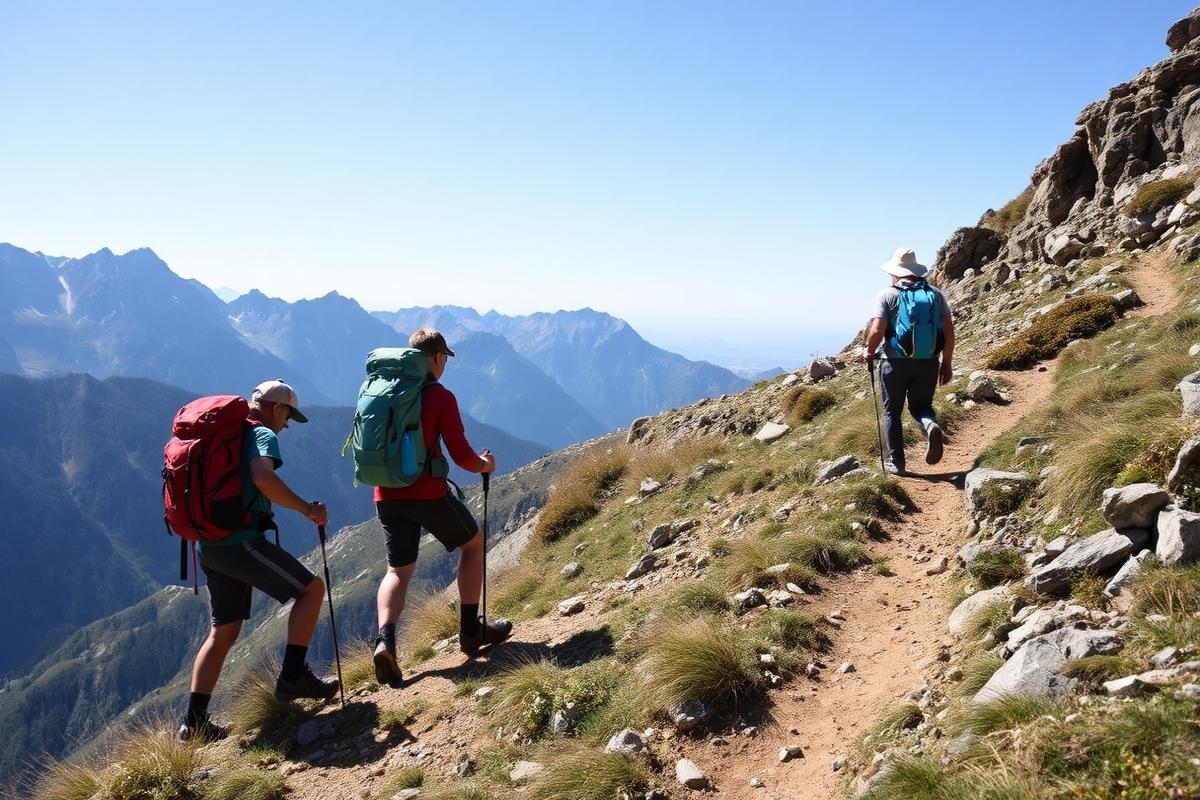
The core rule is the yield triangle. Bikers yield to hikers, hikers yield to horses, and everyone going downhill yields to people climbing.
Add three habits and you have covered most of trail etiquette: stay on the trail surface, pack out everything you brought, and keep your noise low enough that other people can hear the place they came for.
The rest is detail about dogs, passing, groups and crowded trailheads, which I go through below.
Who Yields to Whom
Proper hiking trail etiquette starts with knowing who steps aside for whom.
Horses have the right of way over everyone. They are large, they spook, and a startled horse is dangerous for its rider and for you. Step off the trail on the downhill side where possible, stand still, and speak normally so the horse hears a human voice.
Mountain bikers yield to hikers because a bike can stop and restart more easily than a person mid climb. In practice, on a fast descent it is often safer for a hiker to step aside anyway. Etiquette is not a reason to hold a position that gets someone hurt.
Uphill hikers have the right of way over downhill hikers. Climbing has a rhythm that is expensive to break, and the person descending has a better view of the trail ahead.
Uphill hikers can wave someone through if they want a breather. That is a choice for the climber to offer, not for the descender to demand.
Passing on Single Track
Announce yourself before you are on top of someone. A simple "on your left" from a few paces back is enough.
Do not pass in a blind corner or on a section with a steep drop. Wait for a wide spot.
If you are being passed, step to the side and stop rather than speeding up. Two people jogging alongside each other on a narrow trail is how ankles get rolled.
When you step aside, use a durable surface if you can: rock, gravel or bare dirt rather than fragile vegetation.
Groups and Trail Width
Hike single file on narrow trails. A group spread three wide forces everyone else into the undergrowth.
Keep groups small where trails ask for it. Many wilderness areas cap group size, often at around a dozen people, and those caps exist to protect both the tread and the experience.
If your group is stopping for a break, move fully off the trail. A cluster of packs on the path is the most common bottleneck on popular routes.
The faster group yields to the slower one on the pass, not the other way round.
Dogs on the Trail
Check whether dogs are allowed before you drive out. Many national parks in the United States restrict dogs to paved areas, while national forests are usually more permissive.
Leash where leashing is required, and leash on any trail where you meet horses, bikes or wildlife. A recall trained dog is still an unpredictable variable to the person coming the other way.
Yield with a dog. Step aside, shorten the lead and hold the dog on the side away from the person passing.
Bag the waste and carry it out. A bag left beside the trail to collect on the way back is the single most common broken promise in hiking, and the bags outlast the trail.
Noise, Music and Phones
Speakers are the most contentious topic in modern trail etiquette. Most people are out there for quiet. Use one earbud if you want audio and situational awareness.
Keep conversation at a normal volume. Sound carries much further in valleys and along water than most people expect.
There is one exception worth knowing. In dense bear country, periodic noise is a safety practice. Voices work better than bells for that.
Take calls only if you must, and keep them short and quiet.
Leave No Trace in Practice
- Plan ahead. Know the route, the weather and the regulations before the trailhead.
- Travel on durable surfaces. Walk through the mud puddle rather than around it, which is what widens trails.
- Pack out waste. That includes fruit peel and pistachio shells, which take years to break down and teach animals to associate people with food.
- Leave what you find. No stacked rock cairns, no picked flowers, no carved trees.
- Minimize fire impact. Use a stove, and check current fire restrictions.
- Respect wildlife. Observe from a distance and never feed anything.
- Be considerate of others. Which is the whole of trail etiquette in one line.
Bathroom Basics
Use the toilet at the trailhead. It saves everyone a lot of trouble.
Beyond that, go at least 200 feet from trails, camps and any water source. Dig a cathole six to eight inches deep and cover it fully.
Pack out toilet paper and hygiene products in a sealed bag. Buried paper resurfaces.
Some heavily used alpine and desert areas now require a portable waste bag system. Check the permit conditions.
Trailhead and Parking Courtesy
Park in marked spaces only. Blocking a forest road gate or a turnaround can prevent emergency access.
Do not leave valuables visible in the car. Trailhead break ins are common at popular sites.
Arrive early or go midweek at busy trails. A queue on a summit ridge is a safety problem as much as a mood problem.
Sign the register if there is one. It is the fastest thing search and rescue will look at if anything goes wrong.
Frequently Asked Questions
Who has the right of way on a hiking trail?
Horses first, then hikers, then bikes. Between hikers, the person going uphill has the right of way.
Should I step off the trail to let someone pass?
Step to the side on a durable surface where you can, and stop moving. Avoid trampling vegetation if a rock or bare patch is available.
Is it rude to play music out loud while hiking?
Most hikers think so. Use one earbud instead if you want sound.
Do I have to leash my dog if it is well trained?
Where leash rules exist, yes. Even where they do not, leash for horses, bikes and blind corners.
What do I do with orange peel and apple cores?
Pack them out. They are slow to break down and they habituate wildlife to human food.
How do I pass a horse safely?
Step off the trail on the downhill side, stand still, and speak to the rider in a normal voice so the horse identifies you as a person.
Bottom Line
Yield correctly, pass with a word of warning, keep your dog and your noise under control, and carry out everything you carried in.
Trail etiquette is mostly a set of small courtesies that add up to a trail still being worth walking next year.