Quick Answer
Proper funeral etiquette for guests is simple. Arrive ten to fifteen minutes early, dress in dark conservative clothing, silence your phone completely and sit toward the back unless you are family.
Say something short and sincere to the family, sign the guest book, and resist the urge to explain grief or offer silver linings.
Your job as a guest is to be a quiet, steady presence. Nothing you say will fix anything, and showing up is the part that people remember years later.
What to Wear
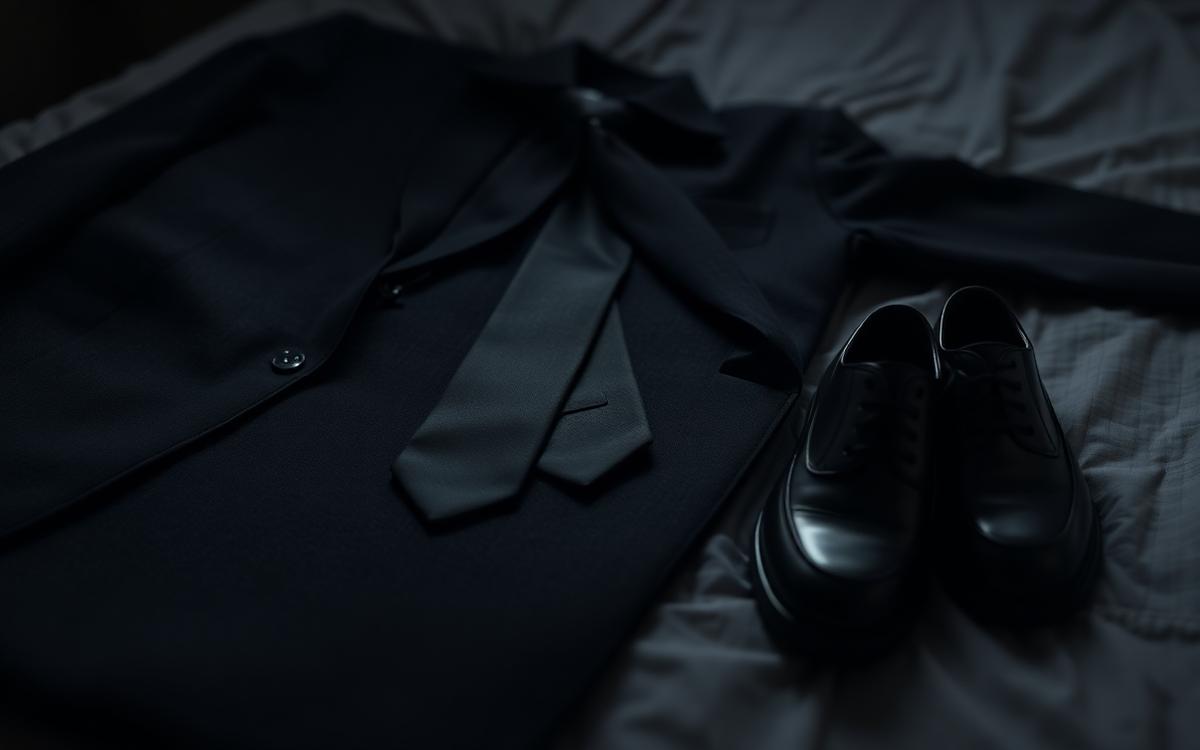
Dark and conservative is the safe default everywhere. Black, charcoal, navy or deep brown all work, and the aim is to look respectful rather than fashionable.
For men, a dark suit or dark trousers with a jacket and a plain tie. For women, a dark dress, skirt or trouser suit, with sleeves or a jacket if the service is religious.
Avoid bright colours, loud patterns, denim, trainers, shorts, exposed shoulders in a place of worship, strong fragrance and anything with visible branding.
Read the invitation or notice carefully. Families increasingly ask for bright colours, a favourite team shirt or no black at all. When a family makes that request, following it is the respectful choice.
When to Arrive and Where to Sit
Arrive ten to fifteen minutes before the stated start. Late arrivals disturb a service that is often timed to the minute, especially at a crematorium with back to back bookings.
If you are unavoidably late, wait at the back until a natural pause and slip into the nearest seat quietly. Do not walk down the aisle mid eulogy.
The front rows are for immediate family and pallbearers. Close friends sit behind them, colleagues and acquaintances further back. When in doubt, sit toward the rear.
At a religious service you are not expected to take part in prayers or rituals from a faith that is not yours. Stand and sit with everybody else, stay quiet during prayers, and that is enough.
What to Say to the Family
Short and specific beats long and philosophical. "I am so sorry. She was wonderful to me when I started at the company" lands far better than a speech.
Naming the person who died is a kindness. Bereaved families often notice that people avoid the name, and hearing it said out loud is comforting rather than painful.
A concrete memory is the single best thing you can offer. Tell them the small story they have never heard, the joke, the time he stayed late to help you.
Avoid the standard failures: at least she lived a long life, everything happens for a reason, he is in a better place, I know exactly how you feel, and any question about the cause of death.
If you cannot find words, say so. "I do not know what to say, but I am here" is honest and completely acceptable.
Phones, Photos and Social Media
Switch your phone off or to full silent, not vibrate. A buzzing phone in a quiet chapel is as disruptive as a ring.
Do not photograph the service, the coffin, the floral tributes or the family. If the family has arranged a photographer or a livestream, that is their decision, not an invitation to take your own.
Do not post about the death before the family has announced it. There are almost always relatives and friends who have not yet been told, and finding out from a social feed is genuinely cruel.
Flowers, Donations and the Guest Book
Follow the notice exactly. Family flowers only means do not send flowers, and donations in lieu means give to the named charity instead.
If flowers are welcome, send them to the funeral home before the service or to the family home afterwards. Lilies, roses, chrysanthemums and simple white arrangements are traditional.
Sign the guest book with your full name and how you knew the person. Families read these books months later and often cannot place a first name alone.
Sending a card in the following weeks is worth more than most people realise, because attention drops off sharply once the funeral is over.
Children, Plus Ones and Who Should Attend
Funerals are generally open events unless the notice says private or family only. If you knew the person, you may attend.
Do not bring a plus one who did not know the deceased. A partner nobody has met adds a person for the family to greet on the hardest day of their year.
Children can attend and often should if they knew the person. Prepare them for what they will see, sit near an exit, and be willing to step outside quietly if needed.
The Reception Afterwards
The gathering after the service is where the atmosphere lifts, and that is intentional. Laughter and stories are not disrespectful there.
Speak to the family briefly rather than at length. There may be a hundred people who all want a moment with the same three people.
Be useful in practical ways. Refill drinks, clear plates, watch small children, direct arriving guests. Practical help is the most valuable thing in the room.
Drink moderately or not at all. A funeral reception is not the place to lose your judgement, especially if you are driving family members home.
After the Funeral
Grief does not end when the guests leave. The weeks after the funeral are usually the loneliest stretch for the immediate family.
Offer something specific rather than the vague let me know if you need anything. Say you will bring dinner on Thursday, or take the dog out this weekend.
Mark the anniversary and the birthday. A short message a year later, saying you are thinking of them and remembering the person, is one of the most appreciated things you can do.
Frequently Asked Questions
Can you wear navy or grey instead of black?
Yes. Any dark, muted, conservative colour is appropriate at a modern funeral in the US and UK.
Should you go to the funeral if you did not know the deceased well?
Yes, if you knew them at all or you are supporting somebody close to them. Attendance is read as respect, not as a claim to closeness.
Is it acceptable to leave after the service and skip the burial?
Yes. Burials are often smaller and more intimate. Unless you have been specifically invited to the graveside, leaving after the service is normal.
What do you do if you start crying?
Nothing at all. Crying at a funeral is expected and needs no apology or explanation.
How much should you give for a donation in lieu of flowers?
Anything from 20 to 100 dollars depending on your closeness and means. The amount is private and the gesture is what counts.
Bottom Line
Dress dark, arrive early, sit at the back, silence your phone, say something short and specific, and sign the guest book with your full name.
Follow the family's stated wishes on flowers, colours and privacy, help practically at the reception, and check in again in the quiet weeks that follow.