Quick Answer
Arrive within about ten minutes of the stated time, bring a small gift, tell the host about dietary needs when you accept rather than at the table, and offer to help without taking over.
Eat what you are given, keep your phone away, talk to the person on both sides of you, and leave at a sensible hour.
Send a short thank you message the next day. That one habit is what separates guests who get invited back from guests who do not.
Replying to the Invitation
Answer within a couple of days. A host cannot plan quantities, seating or a menu around three people who have not replied.
Give a straight yes or no rather than a maybe. If you genuinely cannot commit, say so honestly and give a date by which you will know.
Do not ask to bring an extra person unless the host has offered. One extra guest changes the table, the seating plan and the shopping.
If your plans change, tell the host the moment you know. Cancelling on the day, after the food has been bought and cooked, is the one thing hosts genuinely resent.
Timing: When to Actually Turn Up
For a dinner party at a private home, arriving five to ten minutes after the stated time is ideal. It gives the host the last few minutes they always need.
Never arrive early. An early guest catches the host mid shower or mid sauce and creates work rather than saving it.
More than twenty minutes late needs a message. Hosts time food to a serving window and a starter can sit for ten minutes, not forty.
If the invitation says drinks at seven, dinner at eight, that is a real instruction. Turn up around seven, not five to eight.
What to Bring
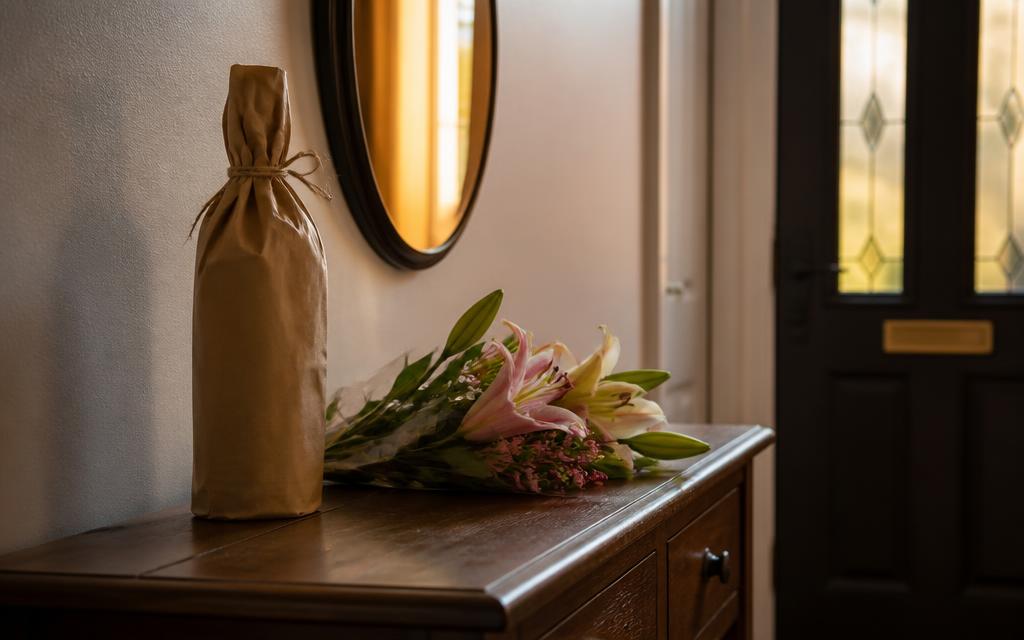
Bring something small, and bring it whether or not the host said not to. Wine, flowers already in a jar or wrapped, good chocolate, a jar of something, or a plant are all safe.
Do not expect the wine you bring to be opened that night. Hosts usually plan drinks around the food, and your bottle is a gift rather than a contribution to the table.
Cut flowers in a bunch create work, because the host has to stop and find a vase mid cooking. Bring them in water or bring a plant instead.
Only bring food if you offered and the host accepted. A surprise dessert can wreck a menu the host has already planned around.
Dietary Requirements
Tell the host when you accept the invitation, not when the plate lands. Two weeks of notice is easy to work with, two minutes is not.
Be clear about the difference between an allergy, an intolerance and a preference. Hosts take all three seriously, but they need to know which is a medical risk and which is a dislike.
Keep the list short and workable. A guest who arrives with a page of restrictions has effectively asked the host to cook a separate meal.
Offer to bring your own main if your needs are complicated. Most hosts will refuse, and they will still appreciate the offer enormously.
If something arrives that you cannot eat, do not make it a scene. Eat around it quietly and mention it to the host later if at all.
At the Table
Wait for the host to sit and to start, or for them to tell everybody to begin. At a large table it is normal to start once several people have been served.
Napkin on your lap as soon as you sit. Phone off the table entirely, not face down beside your glass.
Work from the outside in with cutlery. If you get it wrong, nobody at a home dinner party will care or mention it.
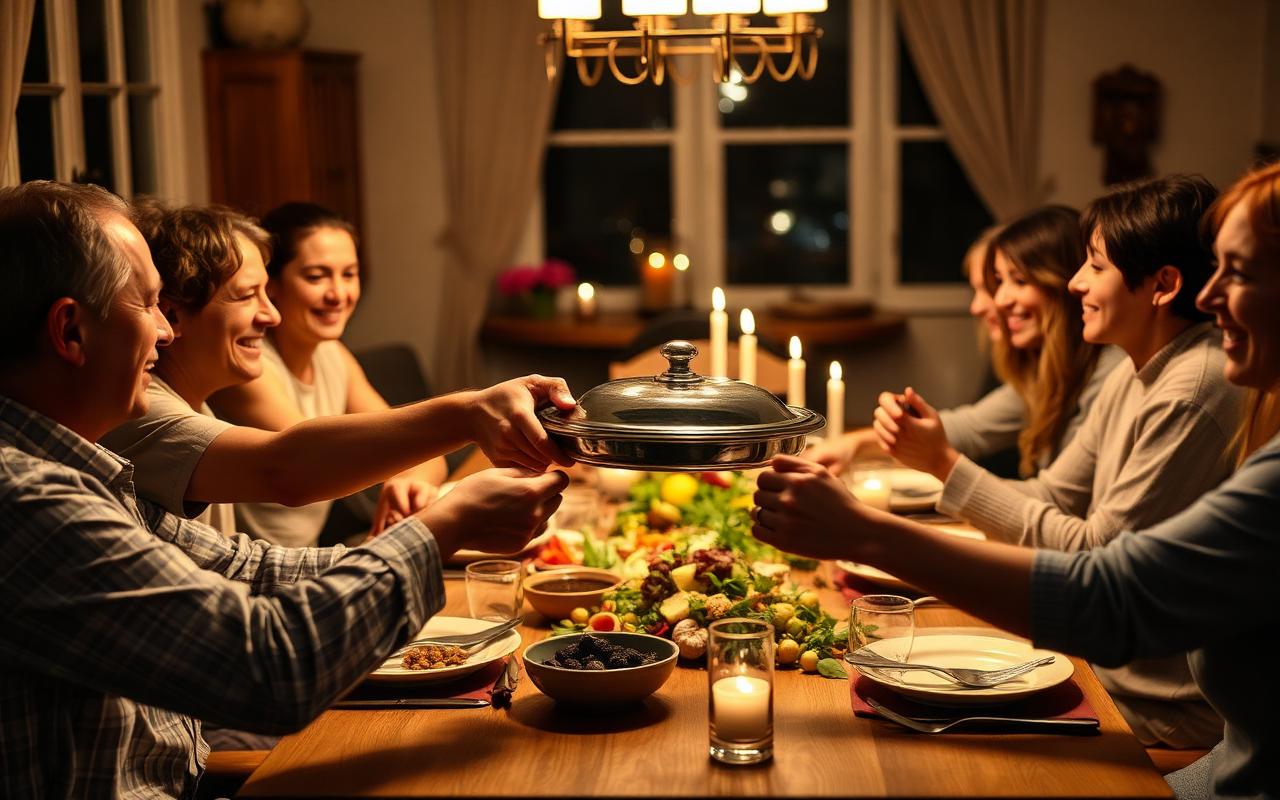
Pass dishes to the right and always pass the salt and pepper together, even if only one was asked for.
Try everything at least once. The exception is a genuine allergy or a firm religious or ethical objection, and both are perfectly acceptable reasons.
Compliment the food specifically. "The lamb is unbelievable, what did you put on it" is worth ten generic thank yous to somebody who has been cooking since two.
Talk to the person on both sides of you. Turning your back on one neighbour for the entire meal is the most common table rudeness there is.
Conversation
Follow the room. If the table has landed on something light, do not force it somewhere heavy.
Politics and religion are not banned, but read the group first. A table of old friends can handle a real argument, a table of strangers usually cannot.
Ask questions and then actually listen. The reputation of being good company is mostly built by curiosity rather than by having good stories.
Do not dominate. If you have spoken for more than a couple of minutes without a question coming back, hand the conversation on.
Never criticise the food, the house, the wine or another guest, even lightly. It is heard by more people than you think.
Helping Out
Offer once, genuinely, and accept the answer. "Can I do anything" followed by sitting back down when told no is exactly right.
Clearing plates is usually welcome, reorganising the kitchen is not. Stack quietly and put things where the host points.
Do not start washing up mid party unless the host asks. It pulls you and often the host out of the room and makes the evening feel like it is ending.
Watch for the small jobs instead: topping up water, passing bread, taking a coat, keeping a quiet guest included.
When to Leave
Read the signals. Coffee, the host clearing the last plates, a yawn, lights being turned up: all of these mean the evening is winding down.
For a weeknight dinner, leaving within an hour or so of the meal ending is normal. At the weekend, later is fine.
Leave in one clear movement. The long goodbye that takes forty minutes at the door is genuinely exhausting for a host who has been on their feet all evening.
Take your things, including any dish you brought. Do not leave a coat, an umbrella and a bag for the host to store and return.
The Day After
Send a message the next day. A short specific text is enough: mention the dish you loved and thank them properly.
Return the invitation within a few months if you can. Reciprocity is what keeps a group of friends actually eating together over years.
If you broke something, offer to replace it, and follow through. Hosts almost always say do not worry, and they almost always remember who offered.
Frequently Asked Questions
How late is acceptably late for a dinner party?
Five to ten minutes after the stated time is ideal. Beyond twenty minutes, send a message so the host can adjust the timings.
Should you bring wine if the host says not to bring anything?
Yes. Bring something small anyway. Hosts say it to remove pressure, not because they want you to arrive empty handed.
Is it rude to leave food on your plate?
No. Leaving a little is fine. What matters is that you tried the dish and did not comment negatively on it.
Can you ask for a recipe?
Yes, and most cooks are flattered by it. Ask at the end of the meal rather than mid service.
Do you have to help clear the table?
You should offer. Whether you actually clear depends entirely on how the host runs their table, so follow their lead.
Bottom Line
Reply promptly, arrive just after the stated time, bring something small, flag dietary needs early, and give the table your attention rather than your phone.
Offer help once, leave before the host is exhausted, and send a specific thank you the next day.