Quick Answer
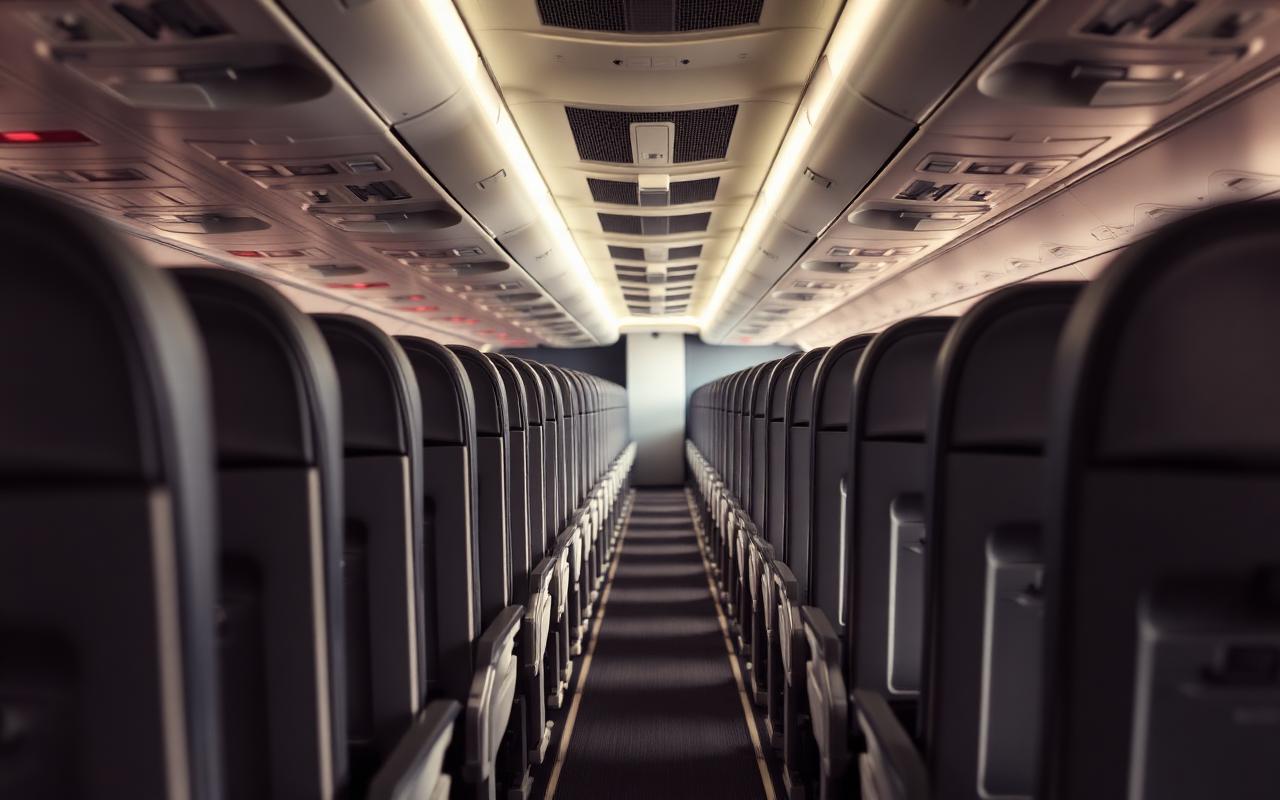
Recline slowly and only on long flights, take the middle seat armrests if you are in the middle, use the bin above your own row, and wear headphones for everything.
Keep your seat area to your own footprint, do not bring strong smelling food, and let rows leave in order at the end.
Almost every cabin argument comes from one person quietly claiming space that was never theirs.
The Recline Question
Proper airplane etiquette starts with the recline. You paid for a seat that reclines, so reclining is not theft. How you do it is the entire issue.
Glance back before you recline, then go slowly. A sudden full recline is what breaks laptop screens and knocks over drinks.
On a flight under about two hours, most people now leave the seat upright, and on a red eye almost everybody reclines. Follow the cabin.
Bring the seat upright for meal service without being asked. The person behind you cannot use a tray table under a reclined seat.
Never grab, shove or knee the seat in front to make a point. If the recline is genuinely a problem, ask politely or ask the crew.
Armrests and Personal Space
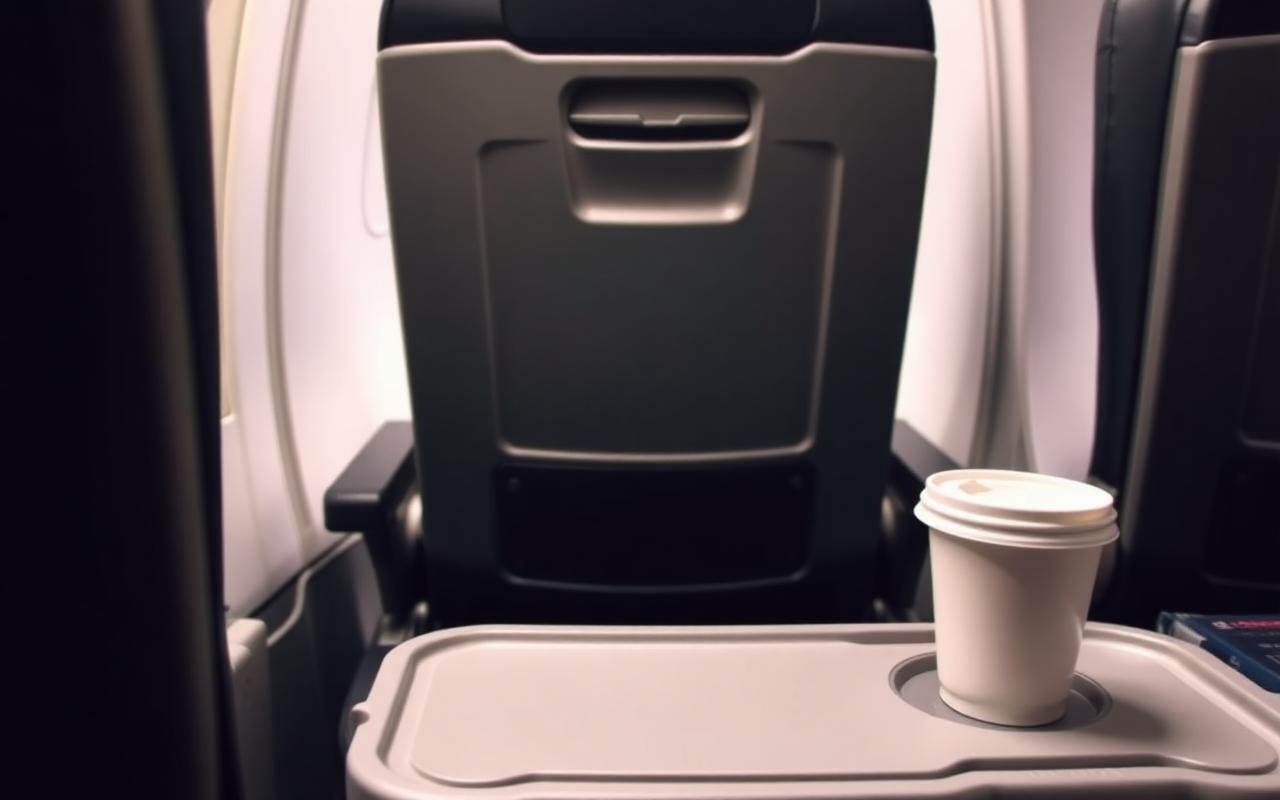
The middle seat gets both middle armrests. The window seat has the window and the wall, the aisle seat has the aisle and extra legroom, and the middle has nothing else.
Share rather than occupy. Elbows on the front half of the armrest leaves the back half for your neighbour.
Keep your knees, feet and bag inside the footprint of your own seat. Manspreading in a 43cm seat is a genuine problem for the person beside you.
Do not put bare feet anywhere except the floor, and never against a wall, a bulkhead or the seat in front.
Long hair over the back of your headrest lands in the lap and the food of the person behind. Tie it up.
Overhead Bins
Use the bin directly above your own row or the one behind it. Putting your bag six rows forward because you sat near the door means somebody at the back finds nothing.
Bags go in wheels first and on their side, which is what the bin was sized for. Laying a case flat wastes half the space.
Small personal items go under the seat in front, not in the bin. Coats, hats and duty free bags go on top of cases rather than beside them.
Help somebody who is struggling if you can lift safely. It moves the entire boarding queue.
Getting In and Out of Your Seat
If you are in a window or middle seat and think you will need the toilet, say so before the aisle passenger settles.
Do not climb over a sleeping passenger. Wake them gently or ask the crew. Climbing over almost always ends badly.
Never haul yourself up using the seat back in front. That headrest yank is the most complained about thing in economy.
Take your turn in the aisle. Standing to stretch is fine, blocking the galley for twenty minutes is not.
Seat Swap Requests
Ask, do not assume. Simply sitting in somebody else's seat and hoping they accept is the wrong way round.
Offer an equal or better seat. Asking somebody to give up an aisle for a middle is a favour, not a swap, and you have to be prepared for a no.
Accept a no gracefully. People choose and often pay for specific seats for medical, comfort or anxiety reasons that they do not owe you.
If you are travelling with young children, book seats together at the time of booking. Most airlines seat under twelves with an adult free of charge if you ask early.
Smells, Sound and Screens
Skip strong smelling food. Hot fish, curry, boiled eggs and heavy garlic fill a sealed cabin for hours.
Heavy perfume and aftershave are the same problem in a different form, and some passengers have genuine sensitivities.
Wear headphones for everything, including a two minute video and including a child's tablet. Airlines now enforce this on many routes.
Keep your screen brightness low on a night flight, and angle it away from a sleeping neighbour.
Talk quietly. Voices carry further in a cabin than most people expect and a loud call before takeoff is heard by ten rows.
Talking to Your Neighbour
Read the signals. Headphones in, book open, eye mask on and turned toward the window all mean the same thing.
A short friendly exchange at the start is normal and welcome. A four hour conversation somebody cannot escape is not.
If you want quiet, headphones on before you sit down is the clearest and kindest signal you can send.
Children, Crew and Illness
Babies cry on planes because their ears hurt. It is not a discipline failure and glaring at a parent helps nobody.
Parents can help by feeding or offering a bottle or dummy during descent and by bringing quiet things to do.
Do not let children kick the seat in front. That one is entirely fixable and it is the thing other passengers actually mind.
Speak to crew the way you would speak to anybody doing a hard job in a small space. They are there for safety first, and they remember both kinds of passenger.
If you are ill, wear a mask, use the air vent and keep tissues to hand. Nobody minds the illness, everybody minds four hours of uncovered coughing.
Landing and Getting Off
Stay seated until the seatbelt sign goes off. Standing early does not make the door open sooner.
Leave row by row from the front. Pushing forward from row 30 while row 8 is still collecting bags is the one thing that reliably annoys an entire plane.
Have your bag ready before you stand so you are not searching an overhead bin while forty people wait behind you.
Check your seat pocket and under the seat before you go. Passports, phones and headphones are lost this way on every single flight.
Take your rubbish with you or hand it to crew during the collection. Leaving a full seat pocket of wrappers slows the turnaround for the next flight.
Frequently Asked Questions
Is it rude to recline your airplane seat?
No, but reclining suddenly, reclining during meal service or reclining on a short flight is. Recline slowly and check behind you first.
Who gets the middle armrests?
The middle seat passenger. The window and aisle passengers already have compensating advantages.
Do you have to swap seats if someone asks?
No. It is a request, not an obligation, and you are entitled to keep the seat you chose or paid for.
Can you use the overhead bin above another row?
Only if your own bin and the ones near your row are full. Use the space above or just behind your seat first.
Is it acceptable to take your shoes off on a plane?
Yes on a long flight, provided you keep socks on and your feet on the floor. Bare feet in the cabin are not acceptable.
Bottom Line
Stay inside your own footprint, recline gently, give the middle seat the armrests, use headphones and skip the strong smelling food.
Use the bin above your row, treat the crew well, and let the plane empty in order rather than shoving forward at the door.