Quick Answer
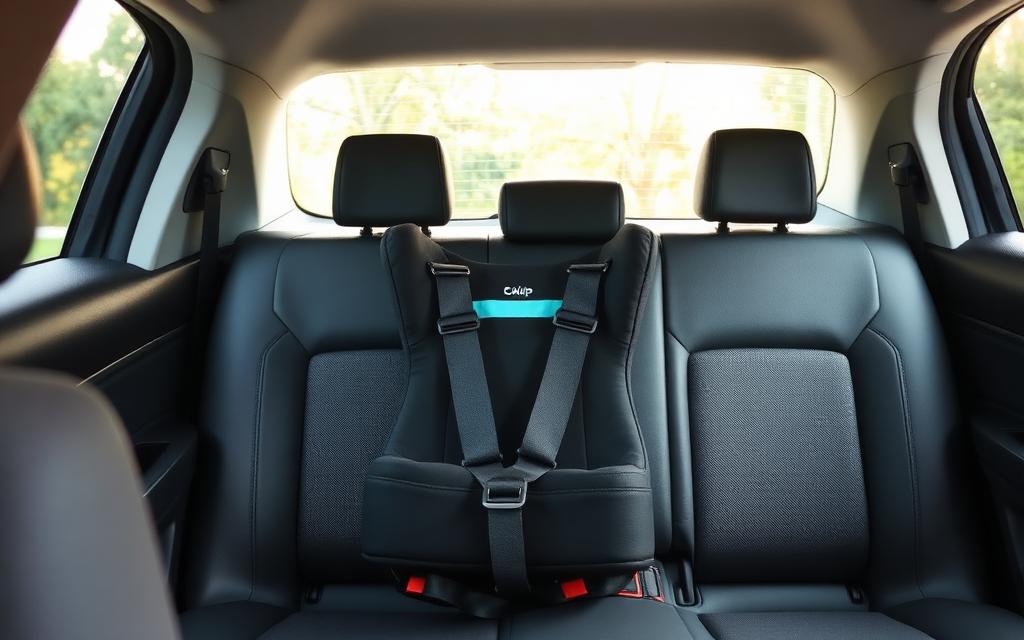
A booster seat is a child safety device designed to elevate older children so that a vehicle's lap and shoulder seat belts fit them properly. This proper fit is essential for safety, ensuring the belt crosses their chest and not their neck, and rests on their hips rather than their abdomen.
My goal is to protect children who have outgrown forward-facing car seats but are still too small for adult seat belts alone. Typically, this transition occurs when a child is around 4 to 8 years old, weighs between 40 and 80 pounds, and is at least 40 inches tall. However, these are general guidelines, and specific requirements vary by seat and state.
The correct use of a booster seat significantly reduces the risk of injury in a crash by distributing impact forces across the child's strongest body parts. I recommend always adhering to manufacturer guidelines and local laws for optimal safety.
Understanding Booster Seats and Their Purpose
I often get asked, "What exactly is a booster seat?" Put simply, it's a bridge between a traditional car seat and an adult seat belt. Its primary function is to boost your child's height so that the vehicle's shoulder belt rests squarely across the middle of their chest and collarbone, not their neck, and the lap belt is low on their hips, touching the tops of their thighs.
This elevation is critical because a seat belt that doesn't fit properly can cause serious injuries in a crash. If the shoulder belt is too high, it can cut into a child's neck, and if the lap belt rides up onto their abdomen, it can cause internal organ damage. A booster seat ensures the seat belt protection is optimized for children who are still growing but no longer need a five-point harness.
Think of it this way: adult seat belts are designed for adults. Children, even at 4 or 5 years old, are simply not built to safely use them without an extra boost. My advice is that a booster seat correctly positions the child, allowing the seat belt to do its job as intended.
In 2026, I anticipate continued emphasis on proper booster seat usage, with many states potentially reviewing and updating their child passenger safety laws to reflect the latest safety research and recommendations. Staying informed will be key.
For example, consider a 6-year-old weighing 50 pounds and standing 45 inches tall. Without a booster, the shoulder belt would likely ride too high, and the lap belt would be positioned over their stomach, creating a dangerous situation.
- A booster seat elevates your child for proper seat belt fit.
- It ensures the shoulder belt crosses the chest and collarbone, not the neck.
- It positions the lap belt low on the hips, over the upper thighs.
- Improper seat belt fit without a booster can lead to severe injuries.
- Booster seats are for children too big for car seats but too small for adult belts.
- Anticipate ongoing updates to child passenger safety laws and recommendations through 2026.
When Does Your Child Need a Booster Seat?
Determining the right time to transition your child to a booster seat is a crucial decision for any parent. Generally, I advise that children are ready for a booster seat when they have outgrown the weight or height limits of their forward-facing car seat with a harness. This typically happens around 4 to 8 years of age.
Most forward-facing car seats have maximum weight limits between 40 and 65 pounds, and maximum height limits vary. Once your child exceeds these limits, or if their shoulders are above the top harness slots, it's time to consider a booster. The key is to check your child's specific car seat manual for its weight and height restrictions.
I always emphasize that age is just one factor; a child's maturity level is also important. For a booster seat to be safe, a child must be able to sit properly for the entire duration of the ride. This means no slouching, leaning out of the belt, or playing with the seat belt. If your child can't maintain proper posture, they might not be ready, even if they meet the weight and height criteria.
In many states, the law mandates booster seat use until a child reaches a certain age, height, or weight, often around 8 years old or 4 feet 9 inches tall. For instance, in some areas by 2026, I foresee even stricter adherence to federal guidelines recommending booster use until the child passes the '5-step test' (more on that later).
A common scenario I encounter is a 5-year-old, weighing 42 pounds and 44 inches tall, whose forward-facing car seat has a 40-pound weight limit. This child would be a prime candidate for a booster seat.
- Transition to a booster when your child outgrows their forward-facing car seat's limits.
- Typically, this is around 4-8 years old, 40-65 pounds, or when shoulders are above top harness slots.
- Always consult your child's car seat manual for specific limits.
- Child must be mature enough to sit properly for the entire ride, without slouching or leaning.
- Age is just one factor, maturity and adherence to safety rules are equally important.
- Many laws mandate booster use until around age 8 or 4 feet 9 inches tall, with potential for stricter enforcement by 2026.
Booster Seat Guidelines: Weight, Height, and Age
When it comes to booster seats, I adhere to specific guidelines for weight, height, and age to ensure maximum safety. While exact recommendations can vary slightly by manufacturer and state law, there are general benchmarks I always advise parents to follow. The goal is to keep your child in the safest restraint possible for their size and development.
For weight, most booster seats are designed for children who weigh at least 40 pounds. Many booster seats accommodate children up to 80 or even 120 pounds. It's crucial to check the specific weight range for the booster seat you are considering, as going below the minimum or exceeding the maximum can compromise safety.
Regarding height, a child usually needs a booster until they are at least 4 feet 9 inches (57 inches) tall. This height allows the vehicle's seat belt to fit correctly across their body. Imagine a child at 48 inches tall, the seat belt would likely still be too high on their neck without the booster's elevation.
Age is a common guideline, with most states requiring booster seats for children up to age 8. However, age is less critical than weight and height. A child's physical development dictates when they can safely transition out of a booster, not merely their chronological age. A tall 7-year-old might be ready to pass the 5-step test sooner than a shorter 9-year-old.
The '5-step test' is a practical way I recommend to determine if a child is ready to safely use a vehicle's seat belt without a booster. This test involves seeing if the child can sit with their back against the vehicle seat, their knees bent naturally at the edge of the seat, the lap belt low on their hips and touching their thighs, and the shoulder belt crossing their chest and collarbone, and finally, if they can maintain this posture for the entire trip.
- Most booster seats are for children weighing at least 40 pounds, often up to 80-120 pounds.
- Always verify the specific weight range for your chosen booster seat.
- Children typically need a booster until they reach at least 4 feet 9 inches (57 inches) tall.
- Age guidelines often suggest booster use up to age 8, but height and weight are more critical.
- The '5-step test' helps determine if a child can safely use an adult seat belt without a booster.
- The child must also be mature enough to maintain the correct sitting position for the entire ride.
High-Back vs. Backless Booster Seats: Which to Choose?
When I'm discussing booster seats with parents, the question of high-back versus backless often comes up. Both types serve the same fundamental purpose: to correctly position the seat belt over your child. However, they differ in design and offer distinct advantages depending on your vehicle and your child's needs.
A high-back booster seat provides head and neck support, especially in vehicles that lack adequate headrests or have low seat backs. This added support can be crucial in a side-impact collision. I often recommend high-back boosters for younger or smaller booster-aged children, particularly if your existing vehicle's headrests don't reach the top of your child's ears.
The high back also helps guide the shoulder belt into the correct position, which can be beneficial for children who might slouch or move around a bit. For example, if a child is just entering booster seat age at 4 or 5 years old, a high-back model usually offers more comprehensive support and helps reinforce proper posture.
Backless booster seats are typically more portable and can be a good option for older, taller children who still need a boost but whose vehicle's seat already provides sufficient head and neck support. They are also convenient for carpooling or when switching between multiple vehicles. Imagine a 9-year-old who is almost 57 inches tall; a backless booster might be perfectly adequate if the car has a high seat back.
The choice between the two often comes down to the vehicle's design and the child's readiness. If your car has a high seat back that reaches at least your child's ears, and they are mature enough to sit properly, a backless booster can be a great choice. If not, a high-back booster provides that essential added protection. For 2026, I anticipate that safety standards will continue to refine guidelines, perhaps advocating more strongly for integrated head protection even in backless designs, or clearer guidance on when each type is most appropriate.
- High-back boosters offer head and neck support, crucial in vehicles with low seat backs.
- They are ideal for younger or smaller booster-aged children, especially in side impacts.
- The high back helps maintain correct shoulder belt positioning.
- Backless boosters are more portable and suited for older, taller children.
- Backless boosters require adequate headrest support from the vehicle seat itself.
- Your choice depends on your vehicle's features and your child's specific needs and maturity.
Booster Seat Safety and Installation Tips
Ensuring your child's safety in a booster seat goes beyond just choosing the right type; proper installation and consistent use are paramount. I always tell parents that even the most expensive booster seat is only as safe as its correct installation and your child's adherence to proper seating behavior.
First, always read the booster seat's instruction manual thoroughly, along with your vehicle's owner's manual section on child restraints. These documents contain vital information specific to your products and vehicle, including weight and height limits, and how to route the seat belt correctly. Ignoring these instructions can lead to critical safety errors.
When installing, ensure the booster seat is placed on the vehicle seat so it sits flat and stable. For high-back boosters, make sure it's snug against the back of the vehicle seat. The vehicle's seat belt is what secures your child (and often the booster itself, although direct attachment to the vehicle is less common for simple boosters than for harnessed seats), so confirm the lap belt is low on the hips and the shoulder belt is across the chest and collarbone, not the neck or off the shoulder.
I cannot stress enough the importance of teaching your child how to sit properly in a booster seat. They need to understand that slouching, leaning, or putting the shoulder belt under their arm or behind their back is incredibly dangerous. A seat belt improperly worn can cause severe internal injuries in a crash, even at low speeds.
Regularly check the fit of the seat belt as your child grows. What fit perfectly a few months ago might need adjustment today. And remember, the back seat is always the safest place for children under 13. My advice for 2026 is that we will continue to see advancements in booster seat technology aiming for easier, more intuitive installation, perhaps with integrated systems that provide real-time feedback on belt fit.
- Always read both the booster seat and vehicle owner's manuals for installation instructions.
- Ensure the booster seat sits flat and is stable on the vehicle seat.
- Verify the lap belt is low on the hips and the shoulder belt crosses the chest and collarbone.
- Teach your child the importance of sitting properly and never misusing the seatbelt.
- Regularly check seat belt fit as your child grows to ensure continued safety.
- Children under 13 should always ride in the back seat for maximum safety.
Legal Requirements and Future Trends for Booster Seats
Understanding the legal landscape surrounding booster seats is essential for every parent, as laws vary significantly by state and can impact when your child needs to use one. I've found that these laws are designed to protect children and are often based on best practice recommendations from safety organizations. Generally, I advise parents to always follow the stricter of the state law or the manufacturer's guidelines.
Most states have laws requiring child restraint systems, including booster seats, until a child reaches a specific age, height, or weight. For instance, many states mandate booster use until age 8 or until the child is 4 feet 9 inches tall. Some states may also specify that children must ride in the back seat until a certain age, often 13 years old. Failing to comply can result in fines and, more importantly, put your child at increased risk.
It's crucial to research your specific state's laws, as well as any states you plan to travel through. Laws can change, and what was acceptable last year may not be acceptable this year. I recommend checking official state Department of Motor Vehicles or Highway Safety Office websites for the most current information.
Looking ahead to 2026 and beyond, I anticipate a continued trend towards increased awareness and possibly stricter enforcement of child passenger safety laws. There's a growing understanding of the long-term benefits of keeping children in appropriate restraints for longer. I also expect to see more harmonized legislation across states, potentially simplifying the guidelines for traveling families.
I believe future trends will also involve a greater integration of safety technology into vehicles themselves, such as seat belt reminder systems specifically designed for booster seat occupants, or even vehicle seats with adjustable booster functions. For example, some premium vehicles in 2026 might come standard with integrated booster capabilities, removing the need for separate devices. The focus will remain on making car travel safer and more intuitive for children as they grow.
- Booster seat laws vary by state, so always research specific requirements.
- Most states mandate booster use until a child reaches a certain age (e.g., 8 years), height (e.g., 4'9"), or weight.
- Always adhere to the stricter of state law or booster seat manufacturer guidelines.
- Children under 13 are generally safest in the back seat, as per many state requirements.
- Check official state DMV or Highway Safety Office websites for current legal information.
- Anticipate stricter, more harmonized laws and advanced in-vehicle booster technology by 2026 and beyond.
The takeaway
In summary, understanding what a booster seat is and when your child needs one is fundamental to ensuring their safety in a vehicle. These devices are designed to elevate children who have outgrown their car seats but are not yet large enough to safely use an adult seat belt alone. By positioning the lap belt low on the hips and the shoulder belt across the chest and collarbone, a booster seat dramatically reduces the risk of serious injury in the event of a crash. I always emphasize that adhering to weight, height, and age guidelines, along with proper installation, is non-negotiable for child passenger safety.
Ultimately, my goal is for every child to be as safe as possible while traveling. This means making informed decisions about booster seat type, ensuring correct fit, and following both manufacturer instructions and state laws. Remember that maturity plays a role in a child's readiness for a booster, as they must be able to sit correctly for the entire trip. By prioritizing these factors, you can provide your child with the best possible protection on every journey, confident that you're meeting their safety needs as they grow.