Quick Answer
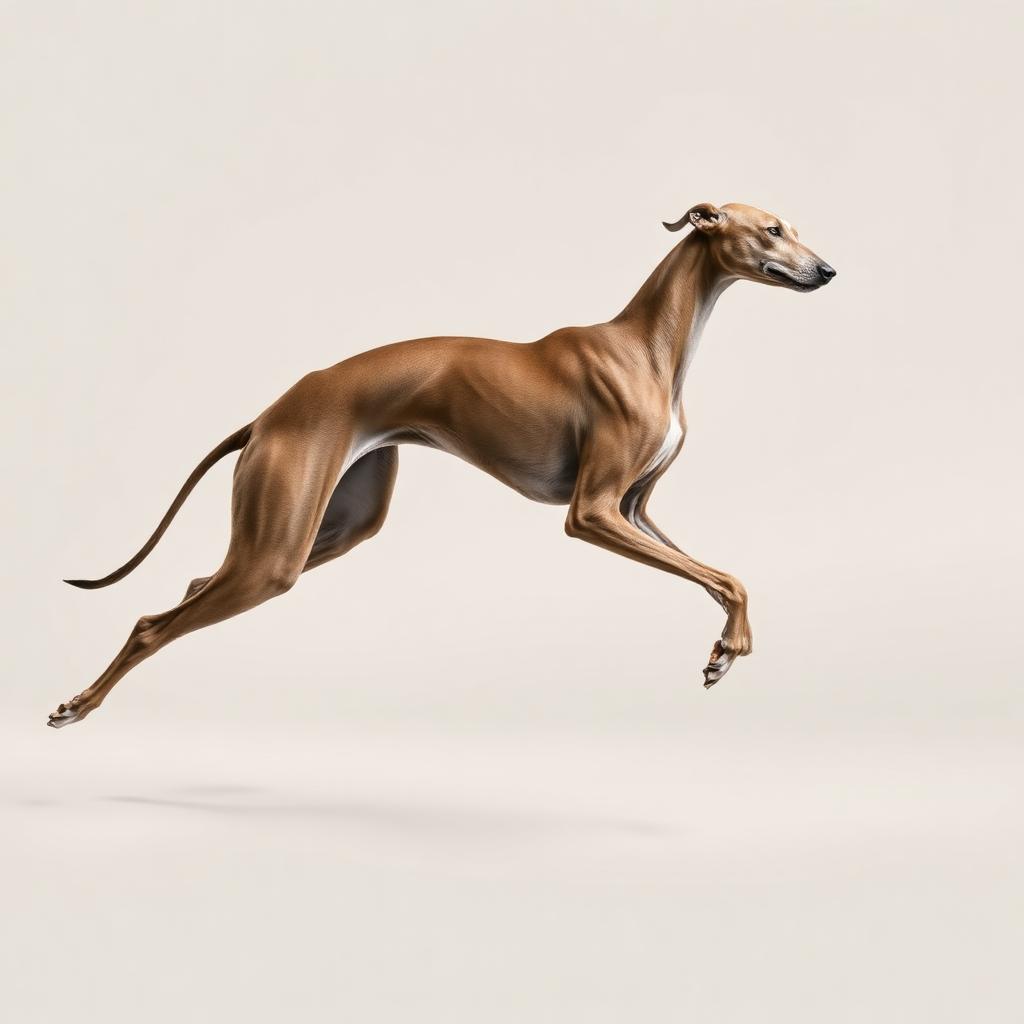
Dog anatomy is engineered for speed, smell, and endurance. Dogs have no functional collarbone, walk on their toes (digitigrade), and run on a flexible spine that extends and contracts with every stride. A dedicated smell organ in the roof of the mouth lets them read the world in chemistry, not just sight.
Knowing the basics helps you spot early lameness, talk to your vet clearly, and train your dog with their body in mind.
The skeleton: built to run
The canine skeleton has a few design choices that make dogs the apex endurance athletes of the carnivore world.
- No functional clavicle. The collarbone is a tiny vestigial sliver of cartilage, not a structural bone. The shoulder blade glides freely along the rib cage, which lengthens stride and absorbs impact.
- Digitigrade stance. Dogs walk on their toes, not the flats of their feet. This adds a spring loaded element to every step and reduces shock on the long bones.
- Flexible spine. The lumbar spine extends and contracts during a gallop, adding inches of reach to each stride. It is why sighthounds can hit 40 mph.
The map every owner should know
| Term | What it is | Why it matters |
|---|---|---|
| Withers | Top of the shoulder blades | Official measure of dog height |
| Hock | Rear leg joint that bends backward (the ankle) | Drives push off when running and jumping |
| Stifle | Rear leg knee joint | Houses the cruciate ligament, a common injury site |
| Stop | The dip where muzzle meets forehead | Varies by breed; flat faces have almost none |
| Croup | Rear portion of the pelvis | Angle affects gait and hip soundness |
| Dewclaw | The vestigial fifth digit on the inner leg | Used for grip on bones and toys, sometimes removed |
The senses
Nose
Dogs have between 200 and 300 million olfactory receptors compared to roughly 6 million in humans. They also possess the vomeronasal (Jacobson) organ in the roof of the mouth, which decodes pheromones a regular nose cannot read. When a dog flares its lips and looks blank (the flehmen response is rare in dogs but pronounced in cats), it is actively sampling.
Ears
18 muscles per ear, hearing range up to 65,000 Hz (humans top out around 20,000). The independent ear movement is how dogs triangulate a sound before they turn their head.
Eyes
Dogs see fewer colours than humans (blue and yellow, no red green distinction) but excel at motion detection and low light vision thanks to the tapetum lucidum, the reflective layer behind the retina that gives photos that green eye shine.
How anatomy affects everyday care
- Stairs and sofas for puppies. Growth plates do not close until 12 to 18 months. Repetitive stair work and sofa launches stress the hips.
- Nail length matters. Long nails alter toe angle, shifting weight back and stressing the wrist, elbow, and shoulder.
- Brachycephalic breeds. Pugs, Bulldogs, and Frenchies have shortened airways. Avoid hot weather, heavy collars, and long walks at midday.
- Deep chested breeds. Great Danes, Standard Poodles, Weimaraners are at high risk of bloat. Elevated bowls and post meal rest matter.
FAQs about dog anatomy
Why do dogs have a hock that bends backward?
It is the equivalent of your ankle. The leverage gives them spring for jumping and sprinting.
Can dogs sweat?
Only through their paw pads, which is why panting is the main cooling system.
What is a healthy resting heart rate?
60 to 140 beats per minute, depending on size. Small dogs run faster, giant breeds slower.
The takeaway
You do not need a veterinary degree to be a great dog owner, but knowing where the withers, hock, and stifle sit, why your dog walks on its toes, and how powerful its nose really is changes how you train, exercise, and care for the animal at your feet.