Quick Answer
Keep noise down between roughly 10pm and 8am, introduce yourself early, never block a shared hallway, and warn people before anything loud or disruptive.
When there is a problem, knock and talk first. Going straight to the landlord or the management company escalates a five minute conversation into a formal complaint.
The single most useful habit is meeting your immediate neighbours before you ever need something from them.
Noise: The Only Rule Most Disputes Are About
The rules of apartment neighbor life start with noise, which causes the overwhelming majority of complaints, and almost all of it is avoidable. The working convention in most buildings is quiet hours from 10pm to 8am on weekdays and 11pm to 9am at weekends.
Check your lease and your building rules, because many set the hours explicitly and some start quiet hours as early as 9pm.
Impact noise travels further than airborne noise in a block of flats. Footsteps, dropped weights, dragged chairs and slammed doors carry through the structure in a way that conversation does not.
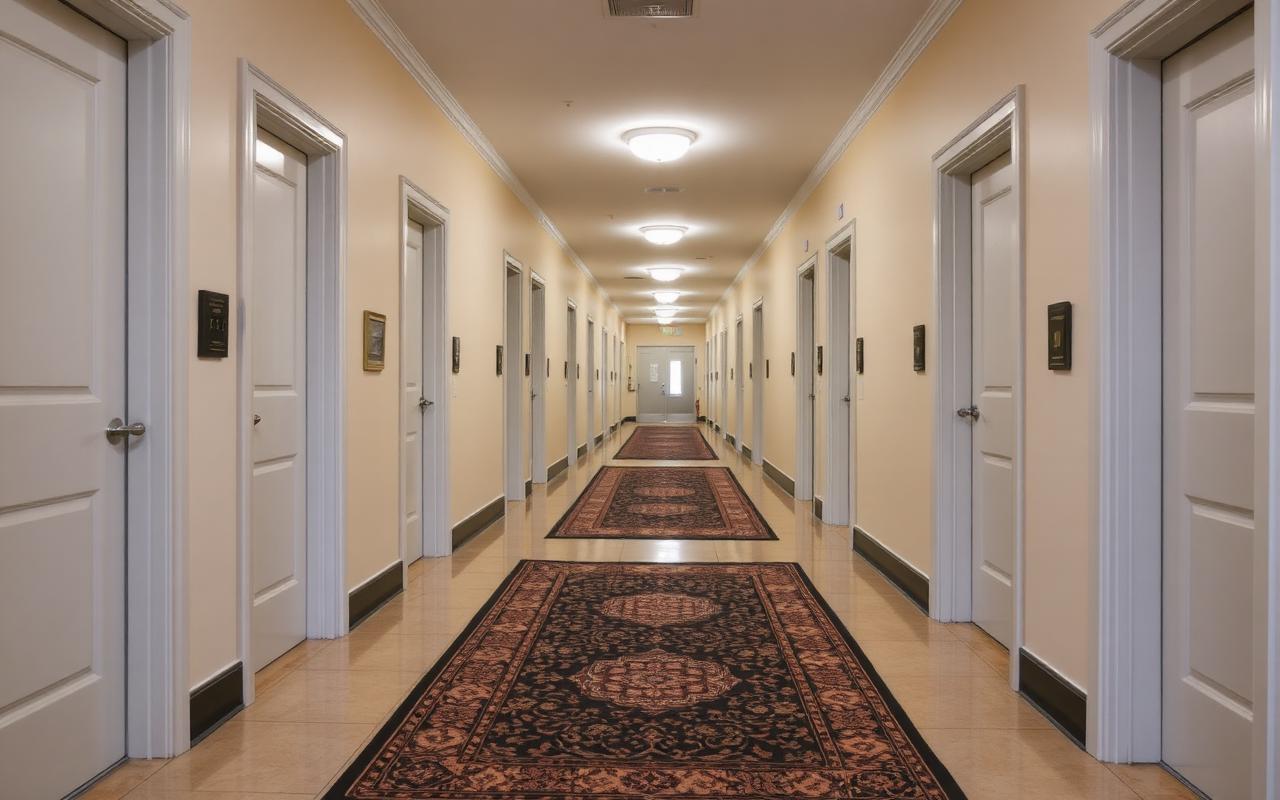
Rugs in the main walkways, felt pads on chair legs, a mat under a home gym setup and soft close on the front door will remove most of what your downstairs neighbour actually hears.
Bass carries too. Turning the volume down does very little if the subwoofer is on the floor. Lift speakers off the floor and cut the low end after 10pm.
Introduce Yourself Early
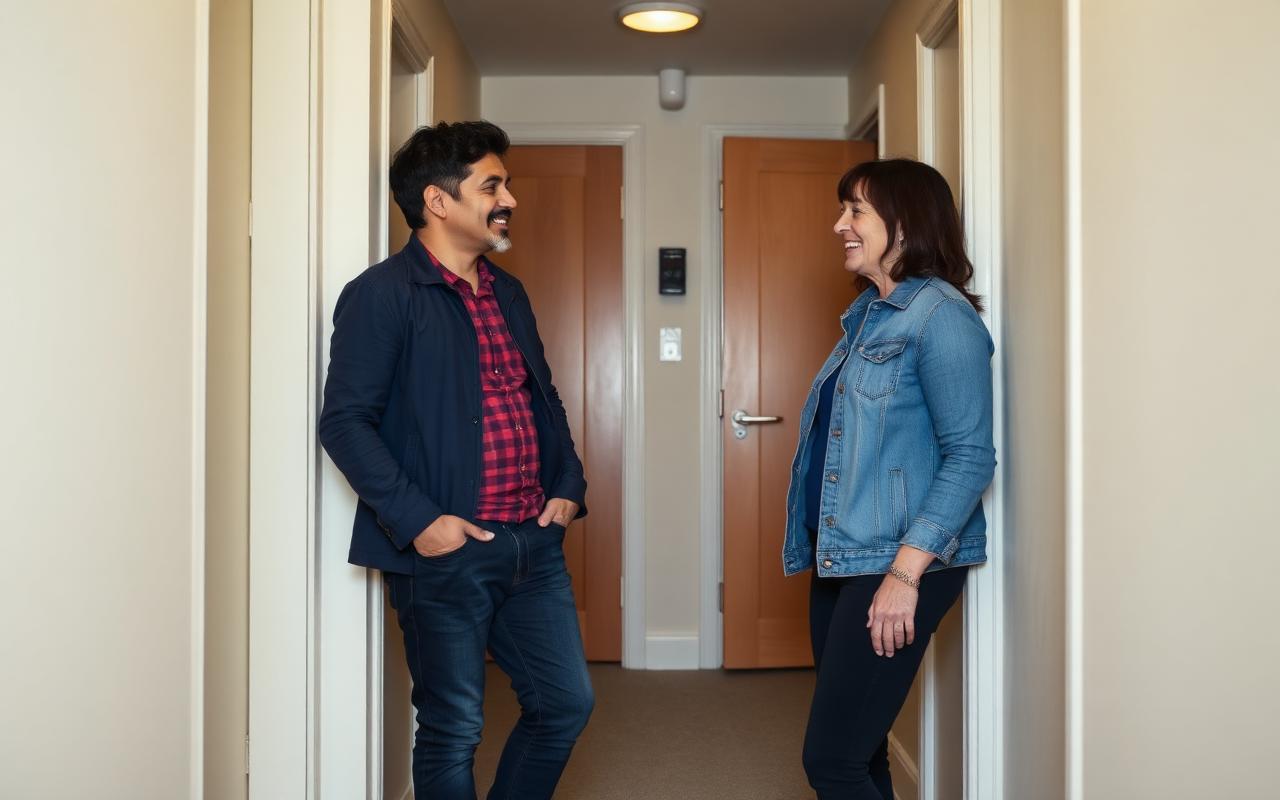
Knock on the doors either side and below within your first week. Thirty seconds is enough: your name, which flat you are in, and that they should say something if you are ever too loud.
That last sentence is the important one. It gives permission for a direct conversation later and makes a passive aggressive note far less likely.
Swapping numbers with at least one neighbour is worth the small awkwardness. Water leaks, parcel deliveries, locked out moments and fire alarms all become easier.
Shared Hallways, Stairs and Entrances
Do not store anything in a shared hallway. Bikes, prams, shoe racks and bin bags are usually a fire regulation breach as well as an irritation, and they are the fastest route to a management letter.
Do not prop the main door open and do not hold it for somebody you do not recognise. Tailgating through a secure entrance is the most common way buildings get burgled, and every resident has a right to expect that door to close.
Break down cardboard boxes before putting them in the recycling. One unflattened delivery box fills a communal bin that thirty households share.
Take your bins out on the right day and bring them back in. Bins left out on the pavement for four days are a genuine, legitimate annoyance.
Parcels, Post and Deliveries
If you accept a parcel for a neighbour, put a note under their door or message them the same day. A parcel sitting in your hallway for a week while they chase a refund helps nobody.
Do not ask a neighbour to take parcels routinely without asking first. Occasional favours are normal, being somebody's default delivery address is not.
Never open post that is not yours, even by accident. If you do open it by mistake, write sorry, opened by mistake on the envelope and hand it over in person.
Parking, Bikes and Communal Spaces
Park inside your allocated bay lines. Half a metre over the line turns the next bay into a space nobody can use.
Do not use a visitor space as an overflow for your second car. Visitor bays are the most frequently abused shared resource in any block.
In a shared laundry room, set a timer and collect your load promptly. Leaving washing in a machine for three hours while eight people wait is the laundry equivalent of blocking a driveway.
Clean the lint filter, wipe the counter and take your empty detergent bottles away with you.
In a shared garden or roof terrace, take everything you brought back inside, including bottles, cushions and cigarette ends.
Smoking, Cooking Smells and Balconies
Smoke drifts. In most buildings smoking is banned in all internal shared areas, and on a balcony it will travel straight into the flat above through an open window.
Strong cooking smells are part of apartment life and complaining about somebody's food is not reasonable. Running an extractor fan is the polite counterpart.
Balcony barbecues are banned in a large share of leases because of fire risk. Check before you buy one rather than after the first complaint.
Do not shake rugs, water plants heavily or hang dripping washing over a balcony rail above somebody else's furniture.
Pets
Check the lease before getting a pet, not afterwards. Retrofitting permission is much harder than asking first.
Deal with barking rather than hoping neighbours will not mention it. A dog that barks for four hours while you are at work is genuinely disruptive and the owner is usually the last to know.
Keep dogs on a lead in shared corridors and lifts. Not everybody is comfortable with dogs and a lift is a small box.
Pick up in shared outdoor space every single time, including at night and including in the far corner.
Parties and Anything Loud
Tell the neighbours a few days beforehand. A quick knock or a note with the date, rough finish time and your phone number defuses almost all trouble.
Give them the number and mean it. A neighbour who can text you at 11.30pm will text you instead of calling the council or the police.
Move the party inside and shut the windows by about 11pm. Outdoor noise carries several times further than indoor noise.
Same logic applies to DIY, drilling and deliveries of furniture. Weekday evenings and Sunday mornings are the two windows most people resent losing.
How to Raise a Problem Without Starting a Feud
Go in person, in daylight, when you are not angry. Knocking at midnight in a temper produces a defensive neighbour and no solution.
Lead with the assumption that they do not know. "You probably cannot hear it upstairs, but the washing machine really carries into our bedroom" gives them a way to fix it without losing face.
Be specific about the what and the when rather than general about the person. Times, days and the exact noise are actionable. "You are inconsiderate" is not.
Never start with an anonymous note. Notes read as cold no matter how carefully written, and they remove the chance of a normal conversation.
Keep a short log with dates and times if the problem continues, then go to the landlord or management company with facts. That log is also what a housing officer will ask for.
Accept that some things are simply apartment life. Footsteps, a crying baby, the occasional late night and the sound of a shower at 6am are not problems anybody can fix.
Frequently Asked Questions
What are normal quiet hours in an apartment building?
10pm to 8am on weeknights and 11pm to 9am at weekends is the common standard, but your lease or local noise ordinance may set different hours.
Should you leave a note or knock on the door?
Knock. Notes are read as passive aggressive far more often than they are intended, and a face to face conversation resolves most issues in one go.
Can you store a bike or pram in the hallway?
Usually not. Shared corridors are fire escape routes and most buildings prohibit storing anything in them, including bikes and prams.
How much notice should you give before a party?
Two to three days, with your phone number and a rough finish time. Neighbours mind noise far less when they were told about it.
What if the neighbour ignores you completely?
Log dates and times, then raise it in writing with the landlord or managing agent. Written records are what any formal process will be based on.
Bottom Line
Introduce yourself early, respect quiet hours, keep shared spaces clear, warn people before anything loud, and deal with issues face to face while they are still small.
Most apartment disputes are not caused by the noise itself. They are caused by nobody ever having a normal conversation about it.