Quick Answer
The best travel wallet depends on what you actually carry. For a single bag holding your passport, cards, cash, and a pen, the Bellroy Travel Wallet is the cleanest all in one option. For a stripped back front pocket carry that still blocks RFID, a metal cardholder like the Ridge or Groove wallet wins. For organised packers with multiple currencies, a zippered fabric organiser from a brand like Fjallraven or Pacsafe gives you the most internal structure.
Whatever you pick, prioritise a slim profile that lives in a front pocket or a cross body sling. Classic pickpocketing, not RFID skimming, is still the biggest real world threat to travellers.
What separates a travel wallet from your everyday wallet
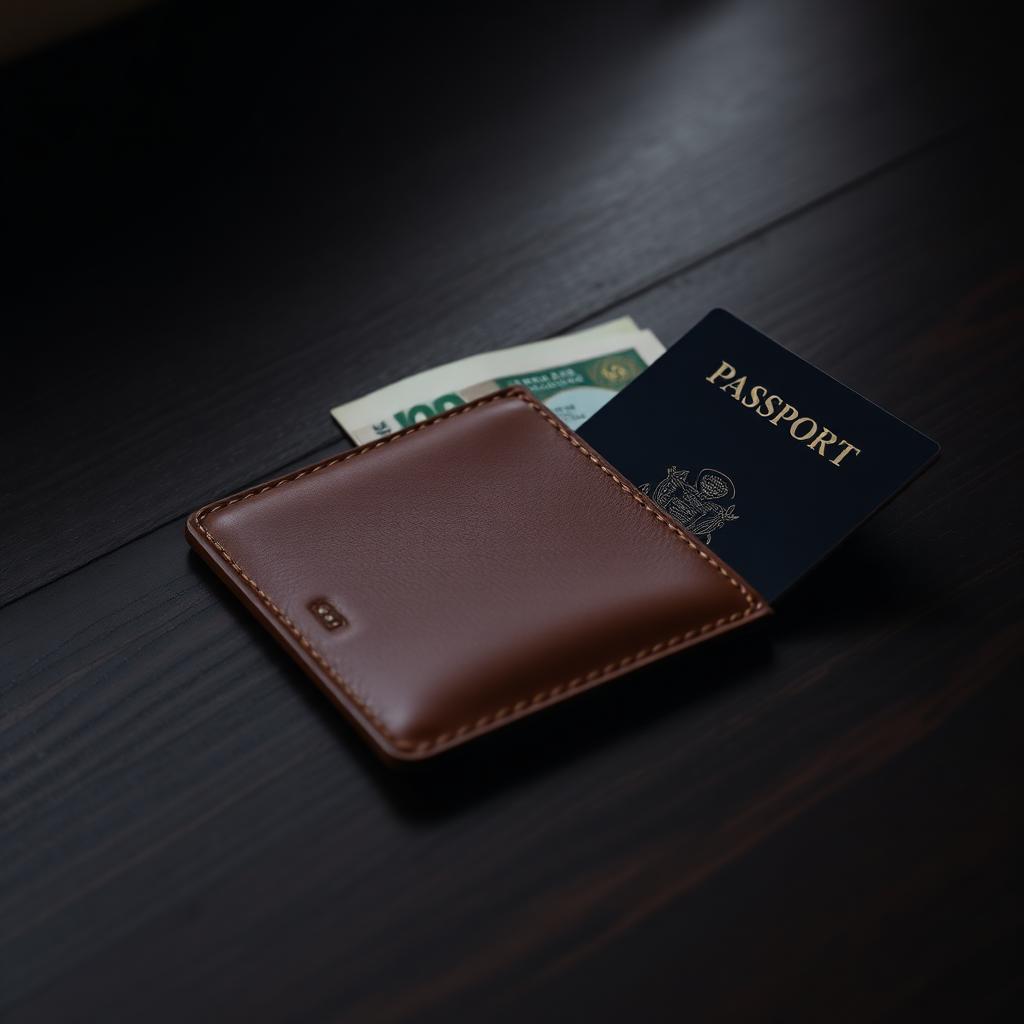
Your daily wallet is built for one currency, a handful of cards, and a driver licence. International travel adds a passport, sometimes a second passport, foreign banknotes in odd sizes, transit cards, paper boarding passes, vaccination cards, and a few backup emergency notes. A real travel wallet has space for all of that without forcing you to dig around at a busy immigration counter.
Three things separate a good travel wallet from a repurposed everyday one. It has a dedicated passport sleeve that does not bend the cover. It handles non US bill sizes, which are often longer or wider. And it has at least one hidden pocket for emergency cash that you do not open at a market stall.
Bellroy Travel Wallet: the premium all in one
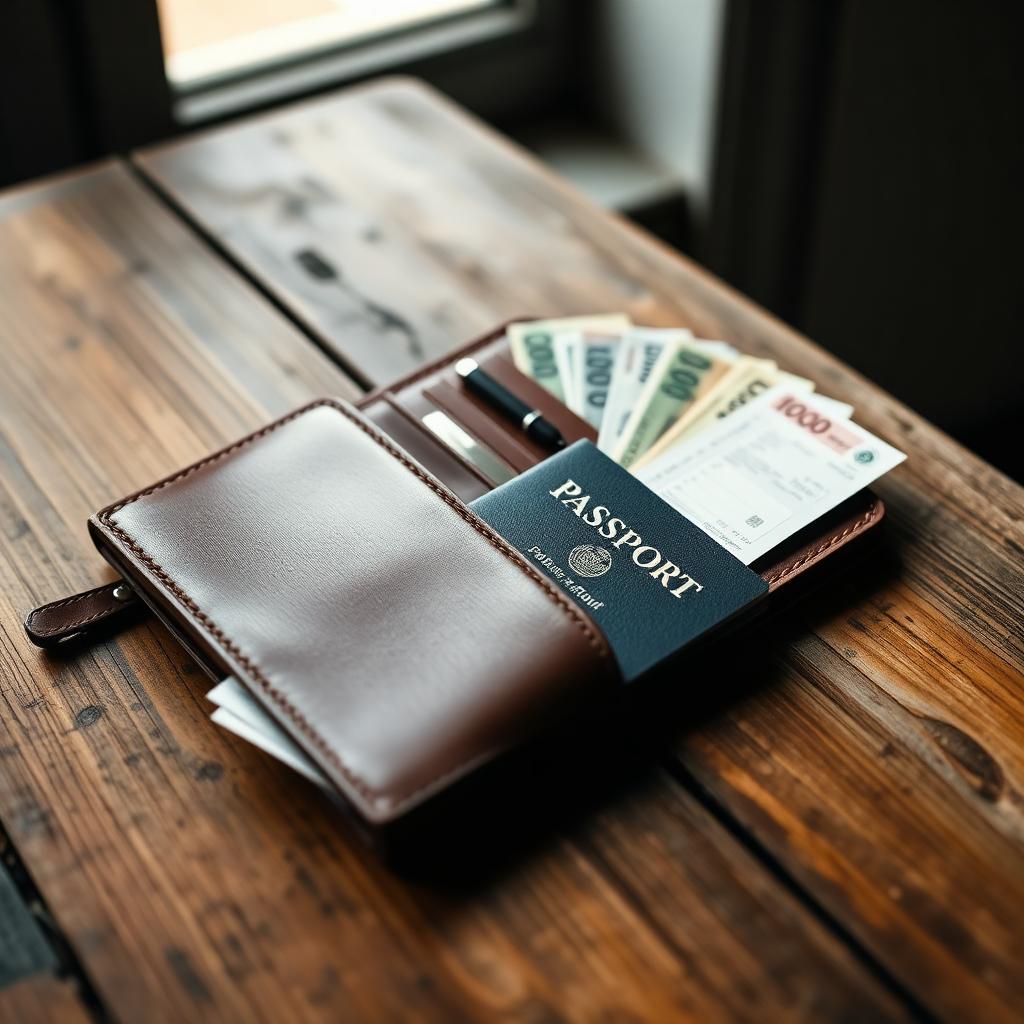
The Bellroy Travel Wallet is the easy default if you want one elegant item that holds everything. It is bifold leather, certified by the Leather Working Group, and opens to reveal a full sized passport sleeve, four quick access card slots, a long full width cash pocket, a SIM card slot, and a slim Bellroy travel pen tucked into the spine for customs forms.
The leather softens beautifully over the first month and the wallet shrinks slightly to your pocket shape. Bellroy also sells an RFID protected version if that matters to you. It is not the slimmest option, but it is the most organised premium pick and the one I have seen most frequent flyers reach for.
Ridge and Groove: minimalist metal cardholders
If you travel with one card, a backup card, and folded cash, a metal cardholder is the simplest answer. The Ridge Wallet uses two machined aluminium or titanium plates held together with elastic bands, and a separate money clip or cash strap on the back. The Groove Wallet has a similar form factor with a side button that fans cards out for one handed access.
Both block RFID by physics rather than by special lining. They survive being sat on, dropped, and rained on. The trade off is that they cannot hold a passport, so you pair them with a separate passport sleeve when you cross a border. For long trips through cities where you mostly tap to pay, this combination is hard to beat.
Fabric organisers: Pacsafe, Fjallraven, and Bellroy Transit
For travellers who want one zipper to find everything, a fabric zip around organiser is the right tool. Pacsafe RFIDsafe wallets layer steel mesh and RFID blocking material into the construction, and most models include a clip on tether so the wallet can lock to a bag handle or chair leg.
The Fjallraven Kanken travel wallet uses the same hardwearing G 1000 fabric as the brand's backpacks. It has a fleece lined phone pocket, a passport sleeve, separate compartments for two currencies, and a zipped coin pouch. The Bellroy Transit Workfolio is a similar layout in a more business friendly look. None of these slide into a jeans pocket, but they live easily in a jacket pocket or a cross body sling.
Rugged options for adventure travel
If your trip involves trekking, water sports, or genuinely rough conditions, none of the above is right. Look at brands like Matador and SealLine. Their travel wallets use ripstop nylon, DWR coatings, and welded seams, and they shrug off rain, river crossings, and the inside of a sweaty hip belt. The Matador FlatPak Soap Bar style construction is overkill for a city break but exactly right for a multi day trek where everything in your pack gets wet at some point.
How important is RFID blocking really
Most modern contactless cards already limit transaction size and require multiple authentication factors, and a real world RFID theft incident on a tourist is extremely rare. Most documented bank fraud comes from card skimmers on physical ATMs and from data breaches, not from a stranger waving a reader at your pocket.
That said, RFID blocking is cheap to include, so there is no real downside to choosing a wallet that has it. Just do not pay a large premium for the feature alone and do not let it distract you from the bigger physical risk of pickpocketing in crowded transit hubs.
What to look for when buying
- Passport fit. Open the wallet and check that the passport sits flush with no creasing of the cover.
- Bill flexibility. A full width cash pocket handles every currency. A US sized pocket alone will pinch euros and pounds.
- Card capacity you actually need. Six slots is plenty for almost any trip. Anything more becomes a brick.
- One hidden pocket. A second compartment for emergency cash that you never open in public is a small feature with a big payoff.
- Weight. Under 120 grams for slim wallets, under 250 grams for full organisers. Heavier than that and it stays in your bag.
Pairing a wallet with the right pocket
The smartest travel wallet in the world cannot protect you from a back pocket. In any busy city, move your wallet to a front jeans pocket, an internal jacket pocket, or a small cross body sling worn in front of your chest in metro stations and on tourist boulevards. Keep a backup card and a small emergency note in a second location, ideally inside your hotel safe or stitched into a money belt for days where you carry everything.
The takeaway
Choose the slimmest wallet that holds what you actually carry, not the most feature packed wallet you can find. Bellroy for the elegant all in one, Ridge or Groove for the minimalist front pocket carry, Pacsafe or Fjallraven for organised multi currency trips, and Matador or SealLine when conditions get rough. Pair any of them with smart pocket discipline and you have solved the carry problem for almost any trip.
Frequently asked questions
Do I really need an RFID wallet for travel?
Not really. RFID skimming attacks on travellers are very rare, but the feature is cheap to include, so pick a wallet that has it without paying a large premium.
What is the safest place to carry a travel wallet?
A front jeans pocket, an internal zipped jacket pocket, or a cross body sling worn in front. Avoid back pockets and outer backpack pockets in any crowded space.
Should my passport live in my travel wallet at all times?
Only when you are actively moving through immigration or checking in. Once you are at your accommodation, leave the passport in a hotel safe and carry a photocopy or a phone photo for daily ID needs.
Are leather travel wallets worth the price?
If you travel more than a few times a year, yes. Quality leather lasts a decade or more and the slim full grain options from Bellroy and similar brands age into a personal patina.