Quick Answer
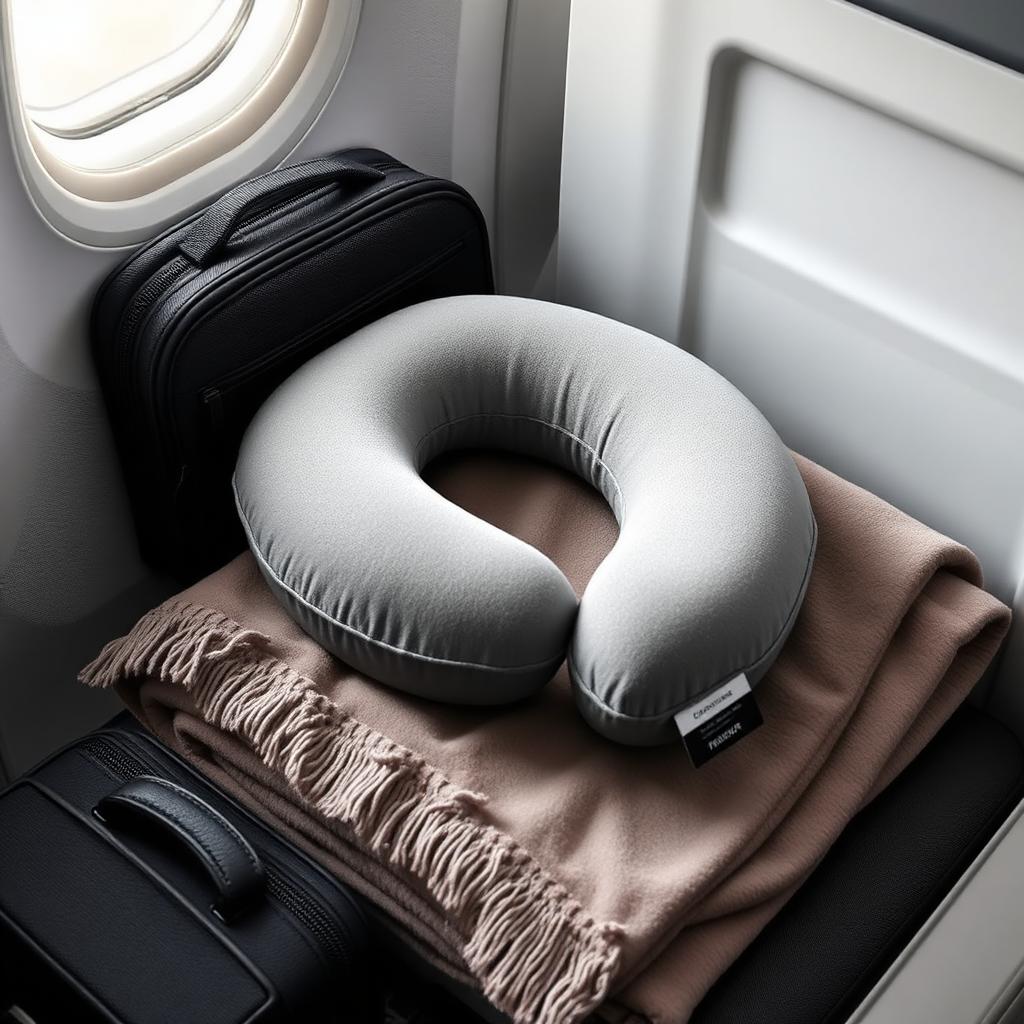
The best travel pillow depends on how you sleep on a plane. If your head falls forward, the Cabeau Evolution S3 with its anti slip seat strap is the best fix. If your head falls sideways, the Trtl wrap or the Ostrichpillow Go give you proper lateral support. If you only ever sleep upright in business class style flat reclines, a small lumbar pillow does more for you than any neck wrap.
Skip the generic microbead U pillow at the airport gift shop. It looks the part, but it does not actually hold your head in place once you fall asleep, which is the only metric that matters.
How to pick the right travel pillow for you
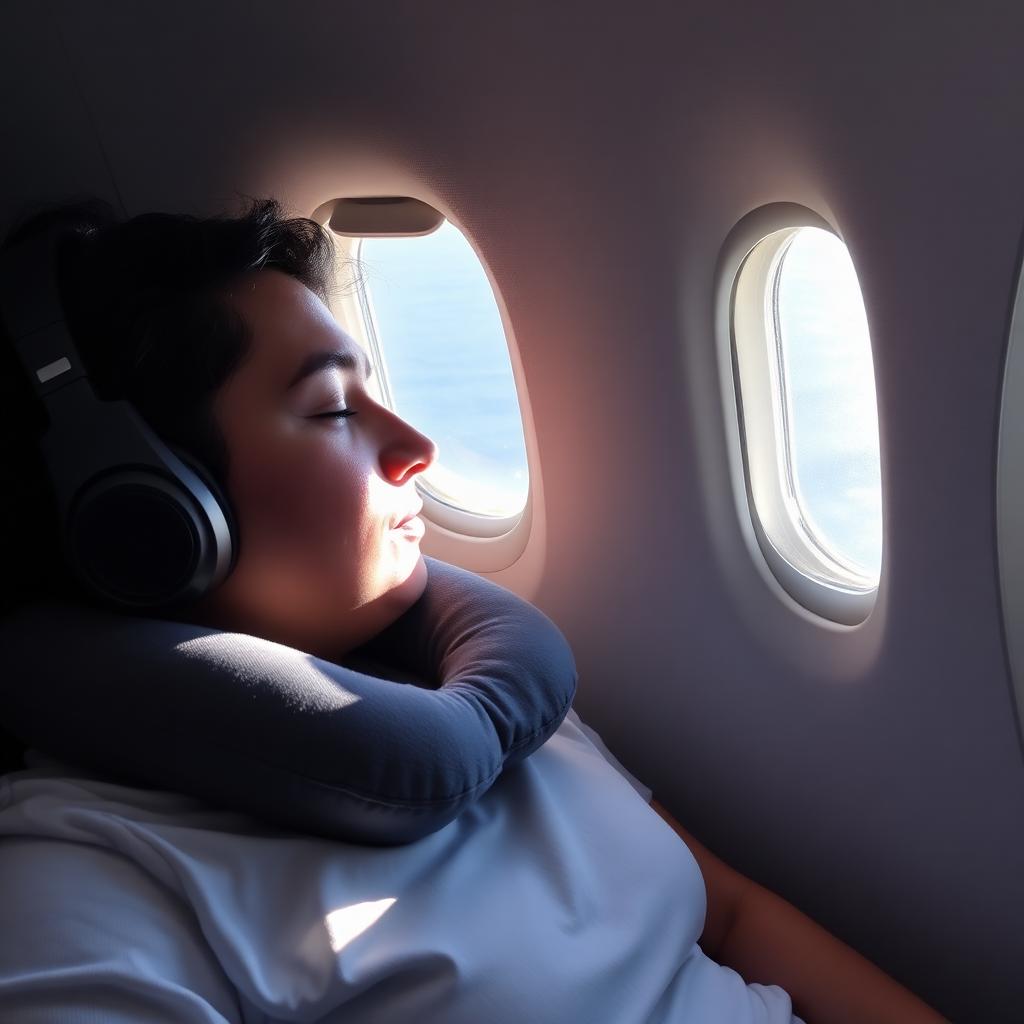
Three questions decide the pillow. First, which direction does your head fall when you doze off in a chair at home. Second, do you want the pillow to compress small for packing or are you happy to clip it to the outside of your bag. Third, can you sleep with something fully wrapped around your neck, or do you find that claustrophobic.
Most travel pillow regret comes from buying something popular online without thinking about those three things first.
Cabeau Evolution S3: the engineered all rounder
The Cabeau Evolution S3 is the closest thing to a default best travel pillow. It uses high density memory foam, has raised side cushions that cradle the jaw, and includes a strap that anchors the pillow to the headrest of the airplane seat. That strap is the feature that matters. It stops the front to back nod that wakes most people up every twenty minutes on a long flight.
It packs to about half its size in the included carry bag, which clips to the handle of a carry on. The cover is removable and washable. It is the pick if you fly more than two or three long hauls a year and want the most sleep for your money.
Trtl Pillow: the minimalist wrap
The Trtl looks like a soft fleece scarf with a thicker section on one side. The thicker section hides a curved plastic rib that supports your head against your shoulder when you wrap it around your neck and fasten it with Velcro. It is genuinely effective for the side leaning sleeper and it weighs almost nothing.
The Trtl Plus adds adjustable height for taller travellers. The trade off is that it does almost nothing if you sleep with your head straight up or fall forward. It is a side leaner pillow, full stop.
Ostrichpillow Go: the soft middle ground
The Ostrichpillow Go is a half ring of plush memory foam that closes around your neck with a magnetic clasp. It gives even support all the way around without the firm structure of the Cabeau. It is comfortable for people who find rigid neck pillows uncomfortable and it works well for both upright and slightly side leaning positions.
It does not anchor to the headrest, so if you tend to nod forward it is not the right pick. For the average sleeper who just wants something soft and supportive, it is a strong all round choice.
Inflatable options: for the carry on minimalist
If pack space is the priority, an inflatable pillow is hard to beat. The Cabeau Evolution Air, the Sea to Summit Aeros Premium, and the Trtl Inflatable all pack down to roughly the size of a phone and inflate in a few breaths. The trade off is firmness. Inflatable pillows tend to feel hard and bouncy compared to memory foam, and air leaks slowly as the cabin pressure changes.
Best for short to medium flights where you only need a few hours of light sleep, or as a secondary pillow that you can pack in a personal item.
Lumbar and seat cushions: the underrated upgrade
Most travellers spend a lot on neck pillows and ignore the lower back, where economy seats actually do the most damage. A small inflatable lumbar pillow like the McKenzie Air Back Travel costs little, weighs almost nothing, and reduces lower back fatigue dramatically on flights of more than four hours. Pair one with whatever neck pillow you choose and the difference at the other end is significant.
What to ignore
- Generic microbead U pillows. Almost zero support. They feel nice in the airport, then collapse the moment you fall asleep.
- Hooded pillows. They look fun online. In practice they trap heat, mess up your hair, and rarely improve sleep quality.
- Oversized scarf style pillows. A wrap that goes over the top of your head looks supportive in a product photo but is awkward to use in a cabin and gives you very little anchored support.
How to use any travel pillow well
- Wear it before the lights dim. Putting it on already in the resting position helps you fall asleep faster.
- Pair it with a real eye mask and a pair of noise cancelling earbuds or over ear headphones. Light and noise wake you up more than discomfort does.
- Drop your seat the maximum allowed amount and gently let your neck settle into the pillow before takeoff.
- Take off any heavy hood or jacket and use it as an extra side wedge if you are in a window seat.
- For very long flights, set your watch to your destination time as soon as you board and sleep on that schedule.
The takeaway
There is no single best travel pillow because there is no single best sleeping position. Cabeau Evolution S3 if your head falls forward, Trtl if you lean to the side, Ostrichpillow Go if you want soft all round support, and an inflatable pillow if you are packing tight. Add a small lumbar cushion to any of them and your back will thank you. Spend more on this category than you think you need to, because the difference between landing rested and landing wrecked is what you actually paid for.
Frequently asked questions
Is the Trtl pillow better than a U shaped pillow?
For side sleepers, yes. The internal rib of the Trtl keeps your head supported against your shoulder, where a soft U pillow lets it slide down within minutes.
Do I really need a travel pillow for short flights?
No. For flights under three hours, an eye mask and a comfortable jumper rolled behind your lower back are usually enough.
How should I pack a memory foam travel pillow?
Compress it into its included carry bag or strap it to the outside of your backpack with a small carabiner. Memory foam recovers its shape within minutes of unpacking.
Can I use a travel pillow on a train or bus?
Yes. The same wrap or strap based pillows that work on a plane work just as well on long train and coach journeys.