Quick Answer
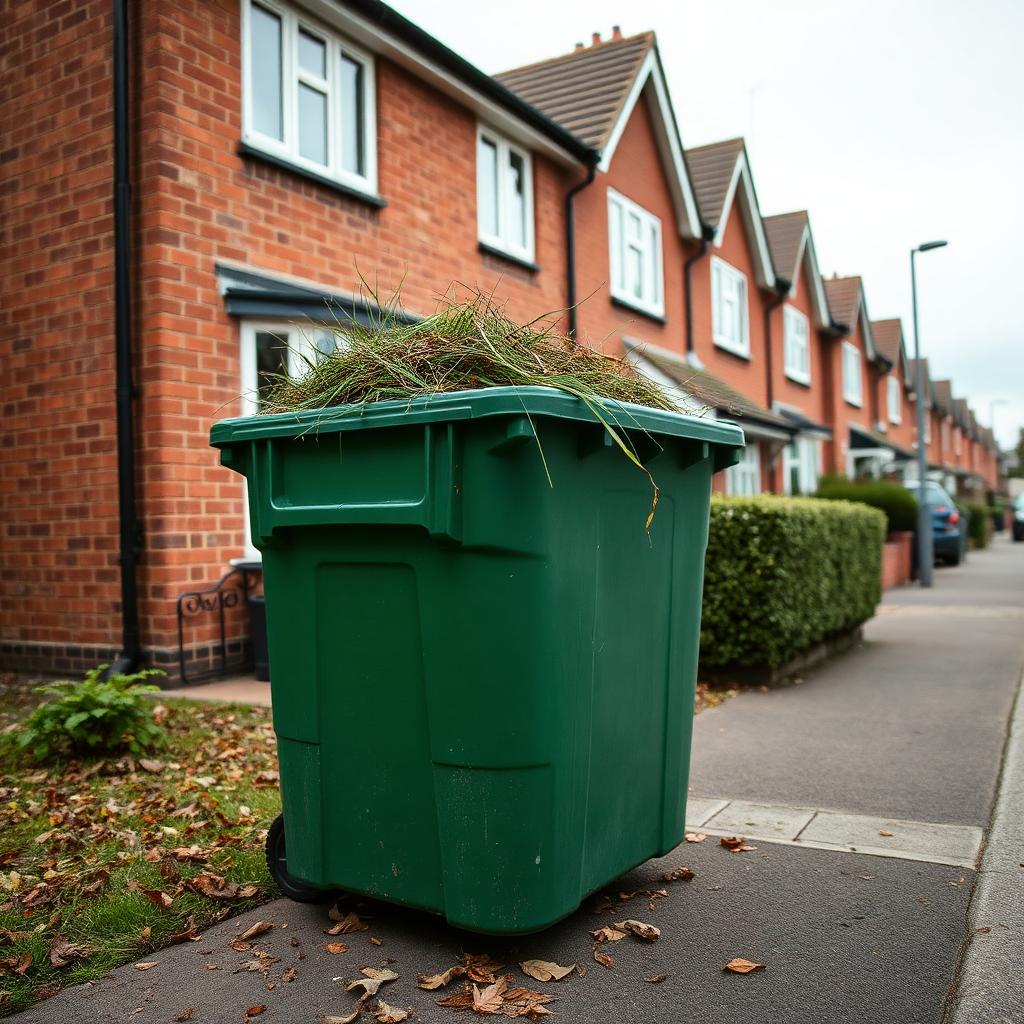
Most English councils now run garden waste collection as a paid annual subscription, typically £40 to £80 per bin per year. You get a sticker for your green wheelie bin; crews skip any bin without a current sticker.
Loose grass, leaves, hedge cuttings, dead flowers, and small twigs are accepted. Soil, stones, plastic bags, food, and branches thicker than 10 cm are not. Dumping garden waste on public land is fly-tipping, a criminal offence carrying unlimited fines.
Why councils started charging
Garden waste collection used to be bundled into standard council tax across England. That changed steadily after 2013, when Defra guidance allowed local authorities to charge separately for non-statutory services. With council budgets squeezed and food waste collections now legally mandatory, most councils moved garden waste to a self-funded opt-in model so the cost falls on households that actually use the service.
The result is a patchwork. A handful of councils still include it for free; a few charge under £40; most sit in the £45 to £75 range. Some London boroughs run smaller bin sizes at a lower price. Check your specific council's website for current 2026 pricing and renewal windows.
How the subscription works in practice
- You sign up online or by phone, usually for a 12 month service window.
- The council posts you a dated permit sticker to fix to the lid or front of your green bin.
- Collections continue on the published fortnightly schedule, often pausing or going monthly through December, January, and February when garden output is minimal.
- If your bin is missed, report it within 48 hours; most councils will return free of charge.
Households on certain benefits, pensioners on Pension Credit, or recipients of council tax reduction can sometimes claim a discount. It is worth checking your council's accessibility or hardship pages before paying full price.
What you can put in the green bin
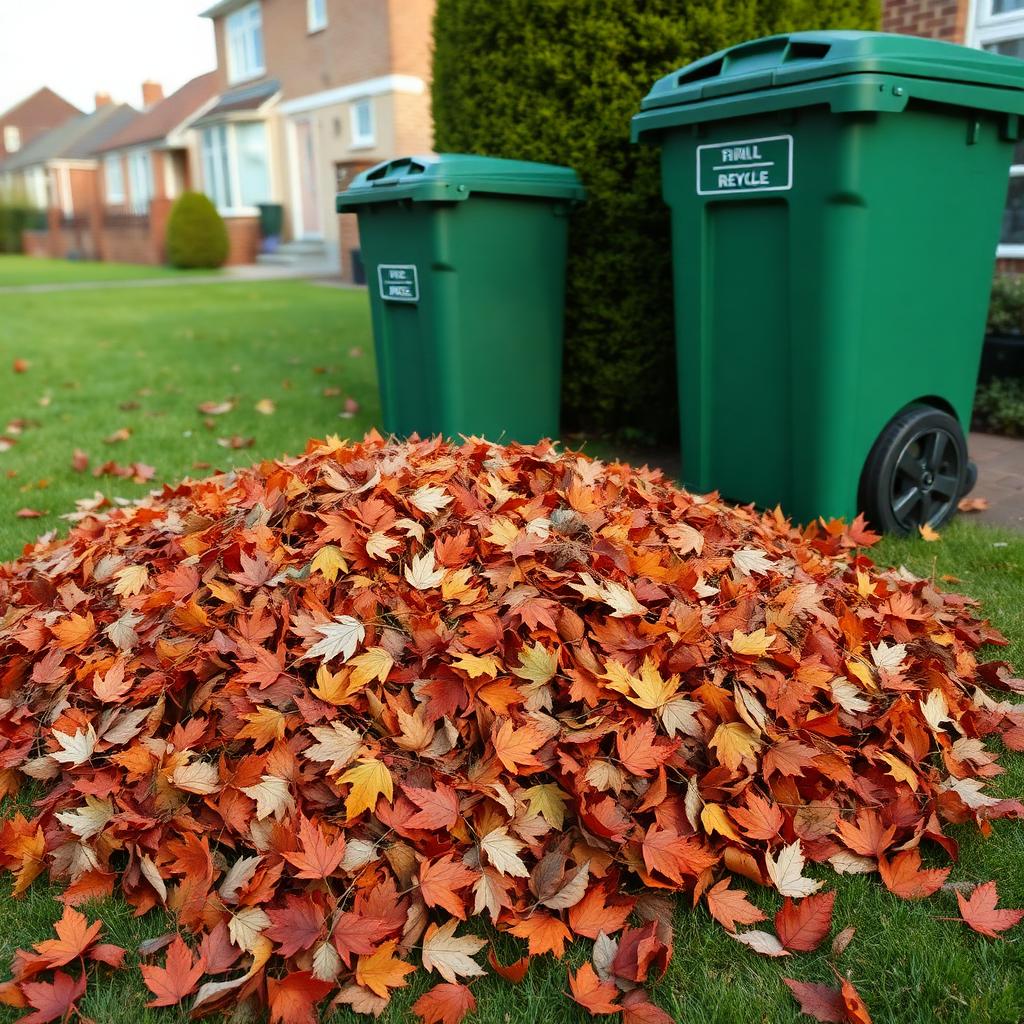
Accepted materials are consistent across nearly every English authority:
- Grass clippings, lawn edgings, moss raked from lawns
- Hedge trimmings and small prunings up to 10 cm thick
- Dead flowers, deadheaded blooms, and weeds (yes, including invasive annuals)
- Fallen leaves and twigs
- Spent compost and houseplant material
- Cut Christmas trees, broken into sections that fit with the lid closed
What gets your bin rejected
Material from green bins goes to industrial windrow composting sites where it is turned into a soil conditioner sold to farms and landscapers. Because the finished compost ends up on food-producing land, contamination tolerance is essentially zero.
- Plastic of any kind: including "biodegradable" or "compostable" bags. Always tip waste in loose.
- Soil, turf, stones, rubble: too heavy and bad for the composting process. Take to your local Household Waste Recycling Centre.
- Food waste: goes in the separate weekly food caddy.
- Pet waste, cat litter, nappies: never in the green bin.
- Treated wood, painted timber, fence panels: contains preservatives that survive composting.
- Branches thicker than 10 cm or longer than 1 metre: break the shredder blades at the processing facility.
If a crew spots contamination, they will leave a tag explaining why the bin was not emptied and you will need to remove the offending item before the next round.
Composting at home as an alternative
If you produce manageable volumes and have space, a home compost bin or wormery is genuinely cheaper and better for your garden than the council bin. Subsidised compost bins are available through many councils for £15 to £25. A standard 220 litre bin handles the waste of a small family garden, turning grass, leaves, and kitchen scraps into rich loam in 9 to 12 months.
Just avoid composting perennial weed roots (bindweed, couch grass), diseased plant material, or anything woody that will not break down in a backyard heap. Those still need to go to the green bin or the tip.
The law on fly-tipping garden waste
Tipping a sack of grass clippings over the back fence onto woodland, dumping prunings on a country lane verge, or leaving bin bags in a hedgerow is fly-tipping under the Environmental Protection Act 1990. It applies even when the material is organic and would theoretically decompose, because piled garden waste smothers native flora, alters soil chemistry, and attracts vermin.
Penalties scale with the offence. Councils can issue Fixed Penalty Notices of £150 to £1,000 on the spot. Magistrates can hand down unlimited fines, and serious cases reach Crown Court with potential prison sentences of up to 5 years. Vehicles used for fly-tipping can be seized and crushed.
Excess waste and the tip option
If you produce a one-off surge of waste, say after clearing an overgrown garden or pruning back a mature tree, every council operates free Household Waste Recycling Centres where residents can take garden waste in person. Many require a permit booking for vans or trailers, but a car boot full of clippings is almost always accepted without paperwork. It is the legal, free, and fast route for anything that overflows your subscription bin.
Seasonal patterns to plan around
Garden waste output is not uniform across the year. A typical English household produces almost two thirds of its annual garden waste between April and October, peaking in May and June (grass clipping season) and again in October and November (leaf fall). Many councils cut collections to monthly or pause entirely from mid-December through February.
If your council pauses winter collections, that is when home composting earns its keep: a static heap built in November will be partly broken down by spring just in time for the first mowing.
What happens at the composting facility
Collected garden waste goes to in-vessel or open windrow composting sites. The material is shredded, mixed, and piled into long rows that reach internal temperatures of 65 to 70 C for several days, which kills weed seeds, pathogens, and most pesticide residues. After 8 to 12 weeks of turning and curing, the finished compost is screened, bagged, or sold in bulk to farmers, landscapers, and garden centres under PAS 100 quality certification. That whole chain is the reason councils take contamination so seriously.
The takeaway
England's garden waste rules are simple in shape but vary council by council: opt in, pay the annual fee, use the right bin, and keep plastic and soil out. Check your local council page each spring for the current fee and collection calendar.