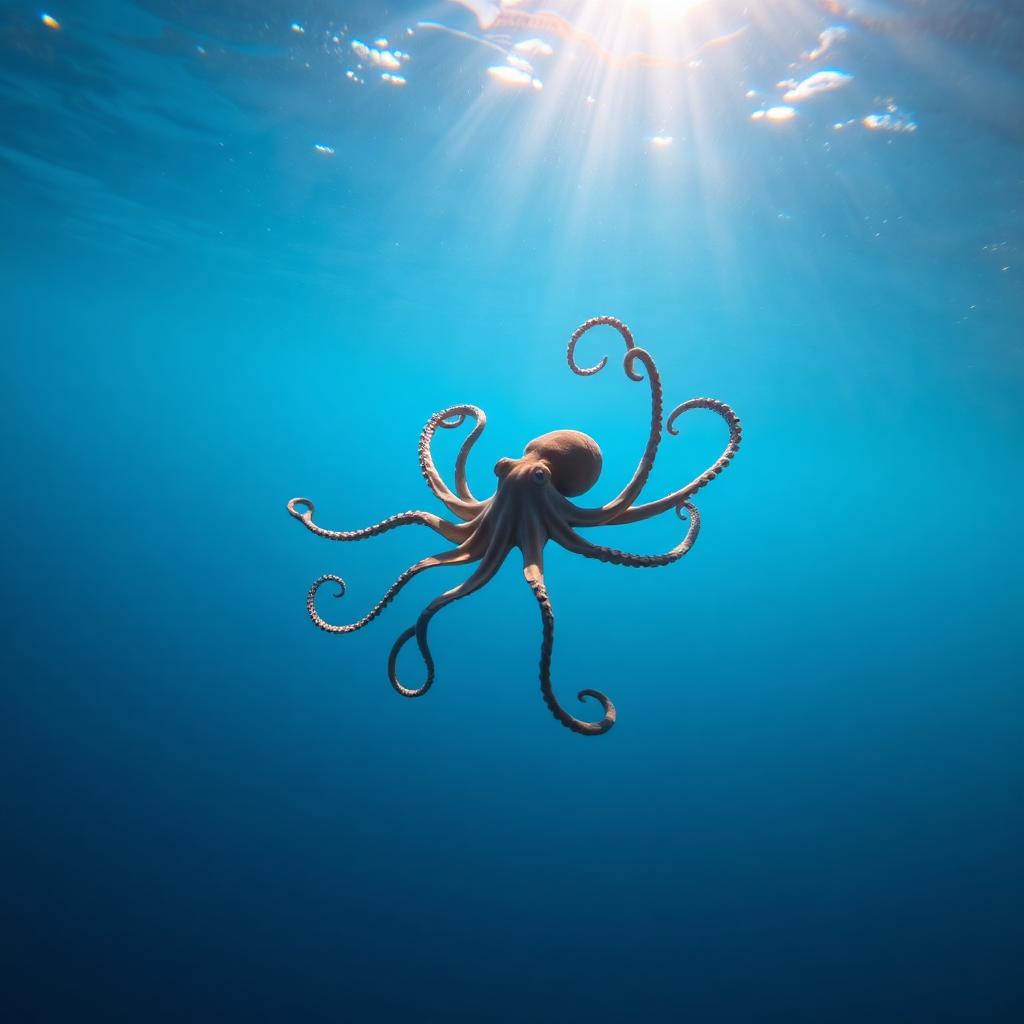
Quick Answer
The correct, preferred plural in modern English is octopuses. Major dictionaries (Merriam-Webster, Oxford, Cambridge, Collins) all list octopuses first. Octopi is widely used but etymologically wrong because octopus is Greek, not Latin. The strict Greek plural, octopodes, is technically correct but rarely used outside zoology.
If you want one safe answer: write octopuses, and you will be right in every dictionary, style guide, and scientific journal in English.
Where octopus actually comes from
Octopus is built from two Ancient Greek roots: okto, meaning eight, and pous, meaning foot. So oktopous literally means "eight-footed". The word entered scientific Latin in the 18th century via Linnaean naming, and from there into English. Crucially, when Latin borrowed the word from Greek, it borrowed the Greek noun pattern with it. The Latinised form is octopus, octopodis, third declension, neuter, not the -us / -i second declension pattern that Latin uses for words like cactus and fungus.
That is the entire grammatical hinge. Apply Latin second-declension rules to a third-declension Greek loanword and you get an answer (octopi) that looks correct but is not.
Why octopi caught on anyway
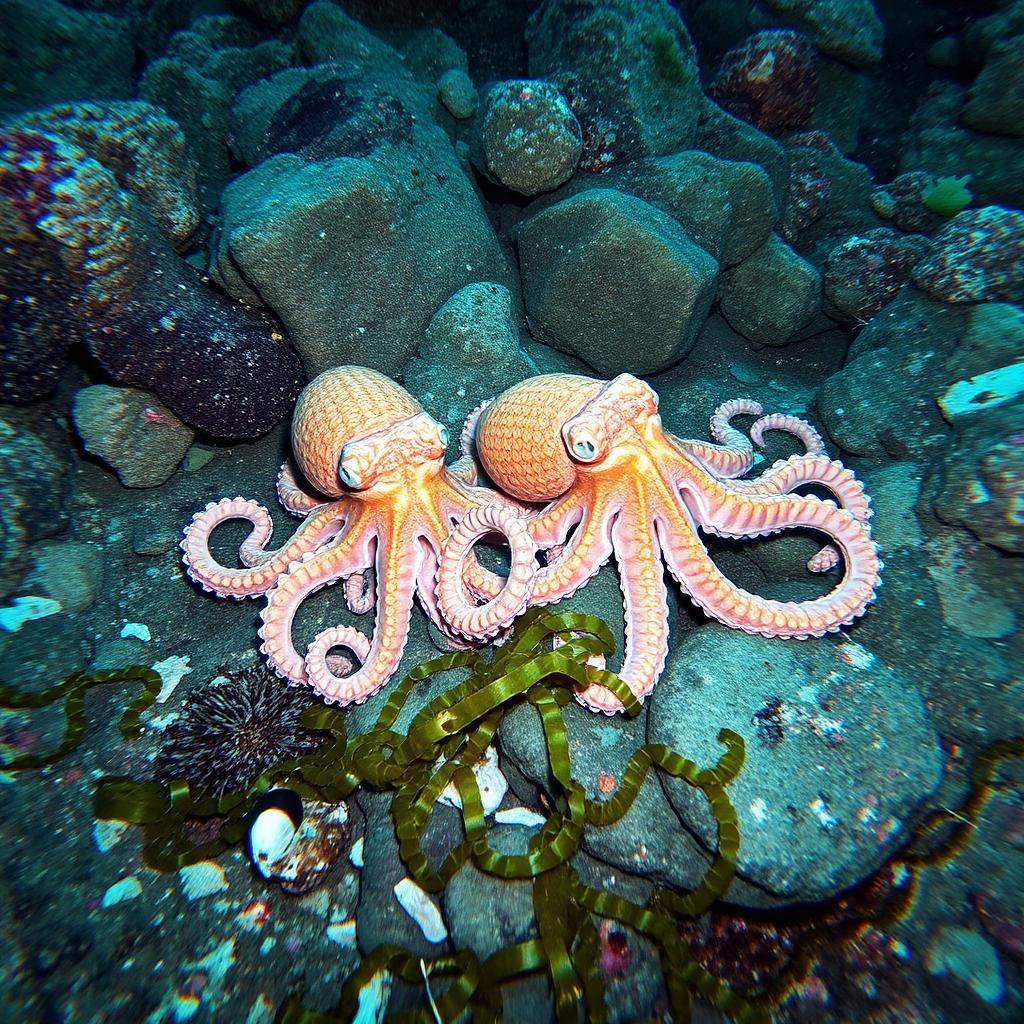
The octopi spelling appears in English print from roughly the 1810s onward. It rode the wave of 19th century classical education, when British and American writers were keen to show off their schoolroom Latin by Latinising as many plurals as possible (formulae, indices, syllabi, fungi). Octopus looked like a Latin word ending in -us, the rule was reflex, and the form spread.
By the late 20th century, lexicographers had taken a closer look at the etymology and quietly demoted octopi. Today most dictionaries still list it as an acceptable variant (because dictionaries describe how people actually write, not how they should), but they list octopuses first and call out the Greek origin in the etymology note.
The three plurals, ranked
- Octopuses (preferred). Applies standard English -es pluralisation to a borrowed noun, exactly as we do with bonus, walrus, and platypus. Every major modern style guide picks this one.
- Octopi (acceptable but historically incorrect). The 19th century Latinisation that refuses to die. Most dictionaries label it "variant" or "occasionally" rather than recommending it.
- Octopodes (strictly correct Greek, rarely used). Pronounced roughly oc-TOP-uh-deez. Beloved by classicists and pedants, used occasionally in marine biology papers, and almost never in normal writing. Using it in conversation will get you blank looks more often than admiration.
What the dictionaries actually say
- Merriam-Webster lists octopuses first, then octopi, with a usage note explaining that octopi is "a misconception" rooted in Greek/Latin confusion.
- Oxford English Dictionary gives octopuses as the standard, lists octopi as a variant, and notes octopodes as the rare classical plural.
- Cambridge and Collins both list octopuses first.
- Fowler's Modern English Usage, one of the most influential British style references, explicitly recommends octopuses and discourages octopi.
How English handles loanwords more generally
English is famously indifferent to the original grammar of the words it borrows. Once a foreign noun has lived in the language for a generation or two, it tends to drift toward the regular -s / -es plural. We say museums, not musea. We say stadiums far more often than stadia. We say forums far more often than fora. Octopus is following the same path, and octopuses is the destination.
The exceptions (cacti, fungi, alumni, axes, crises) survive partly because they sound natural to English ears and partly because they remain anchored in technical fields that police their own usage. Octopus has neither anchor: outside marine biology it is an everyday word, and octopuses sounds entirely natural in English.
What about adjectives and possessives?
The adjective is octopus (an octopus tank, octopus ink). The plural possessive is octopuses' (the octopuses' tanks). No surprises there, because once you settle on octopuses as the plural, the rest of the grammar follows English defaults.
The takeaway
Octopuses is correct. Octopi is the well-meaning relic of a 19th century classroom mistake. Octopodes is correct in a strict Greek sense but reads as a stunt outside a zoology paper. Use octopuses with full confidence and you will be on the right side of every dictionary and editor in English.