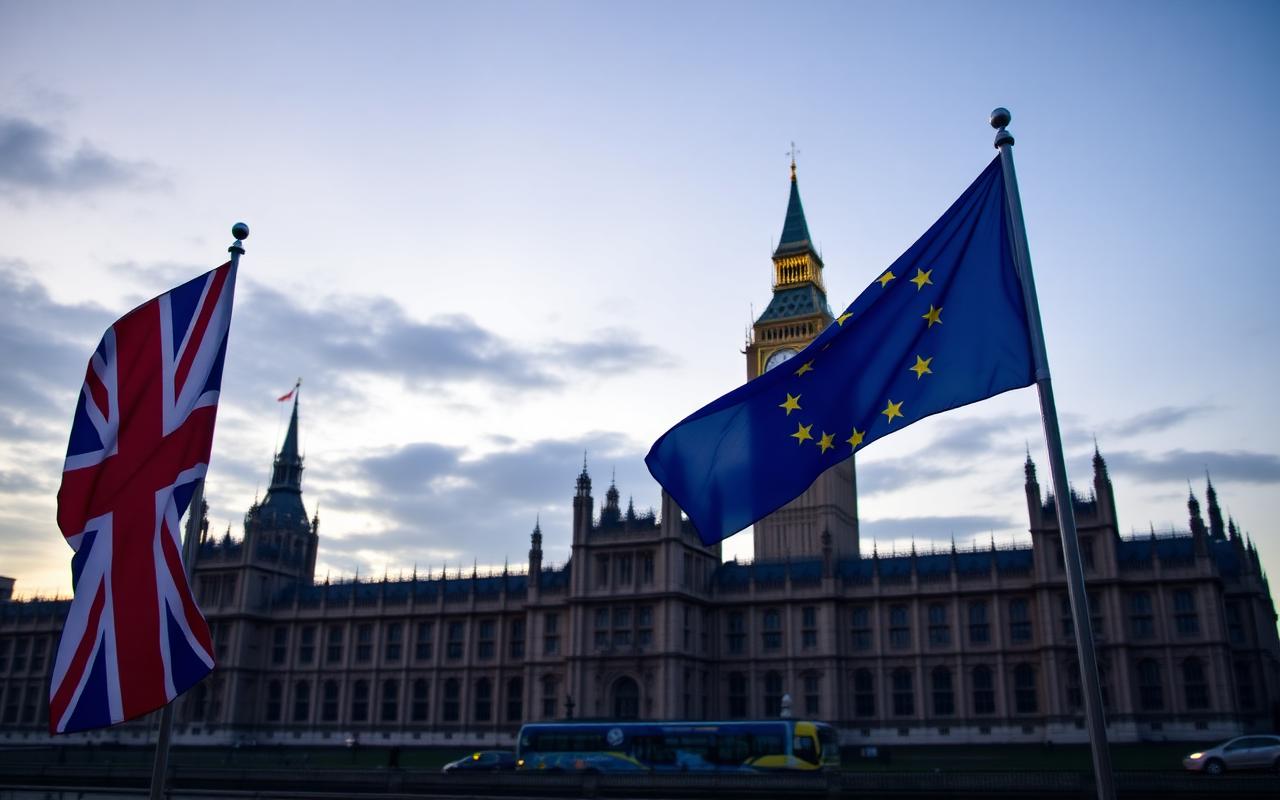
Quick Answer
The UK rejoining EU debate has returned to the centre of British politics in May 2026, driven by a phenomenon now widely called Bregret. A growing share of voters tell pollsters that leaving the European Union has failed to deliver on its promises, and the conversation has shifted from a fringe topic into mainstream Westminster discourse.
Full reversal remains politically risky in the short term. The realistic path in 2026 is incremental: a renegotiated Trade and Cooperation Agreement, a youth mobility deal, and selective regulatory alignment, rather than an outright application to rejoin the bloc.
Why the Conversation Is Resurfacing
A decade after the 2016 referendum, the economic case that Brexit would unlock a freer, more dynamic Britain is under serious strain. Several factors are pushing the rejoin question back into living rooms and party conferences.
- Economic friction. Customs paperwork, rules of origin requirements, and Sanitary and Phytosanitary checks continue to weigh on small UK exporters. The Office for Budget Responsibility still estimates a long run hit to UK GDP from leaving the single market.
- Labour shortages. The NHS, social care, agriculture, and hospitality remain dependent on overseas workers. Restrictive visa rules have left vacancies unfilled and pushed wage inflation in low margin sectors.
- Public sentiment. YouGov, Ipsos, and Savanta polls through the spring of 2026 consistently show a clear majority of Britons believe leaving the EU was the wrong choice, with rejoin support pushing into the high 50s in some surveys.
- Generational shift. Voters who were too young to vote in 2016 now make up a significant slice of the electorate, and they lean heavily pro-European.
What Bregret Actually Means
Bregret is shorthand for Brexit regret. It captures the gap between what voters were told to expect (cheaper food, less red tape, an extra 350 million pounds a week for the NHS, control of borders) and what many feel they have actually received (higher prices, more paperwork, persistent shortages).
Importantly, Bregret is not unanimous. A substantial bloc of voters still believes leaving was correct, particularly on sovereignty and immigration control. The debate in 2026 is less about whether Brexit was a mistake and more about how far the relationship with Brussels should be rebuilt.
The Political Road Ahead
No major Westminster party has committed to a full rejoin policy heading into the next general election. Both Labour and the Liberal Democrats have moved cautiously, fearing a backlash in Leave voting marginal seats. The Conservative leadership remains formally committed to the post Brexit settlement.
Instead, the centre of gravity has shifted toward a renegotiated relationship. Expected proposals through 2026 and 2027 include:
- A reset of the Trade and Cooperation Agreement when it comes up for review in 2026, with the aim of reducing checks on food and animal products.
- A bespoke youth mobility scheme that would let 18 to 30 year olds work and study across the bloc.
- Mutual recognition of professional qualifications in healthcare, law, and engineering.
- Closer alignment on climate, chemicals, and digital regulation to ease exports.
- A potential return to the Erasmus programme and to Horizon research funding on a fuller basis.
Current UK EU Status vs Proposed Alternatives
| Current Position | Reform Being Discussed |
|---|---|
| Trade and Cooperation Agreement with customs checks | Veterinary agreement and frictionless trade through a customs union style deal |
| End of freedom of movement | Youth mobility visa and easier business travel |
| Divergent regulation across goods and services | Voluntary alignment on key standards to cut export costs |
| Limited research and education ties | Full reentry into Horizon Europe and Erasmus+ |
What Could Actually Trigger a Rejoin Push
For a serious application to rejoin to be tabled, several conditions would likely need to align. A clear and sustained polling majority above 60 percent, a major economic shock that voters blame on Brexit, and a leadership team willing to spend political capital on Europe. Even then, the EU side would have its own conditions, including the euro, Schengen, and the loss of the UK rebate, which would make any negotiation lengthy and politically painful.
Frequently Asked Questions
Is the UK actually trying to rejoin the EU in 2026?
No, there is no formal application. The conversation is about a closer relationship, not full reentry.
What is Bregret?
It is a popular term for voter regret about Brexit, expressed in polling and political debate.
Could the UK rejoin the single market without rejoining the EU?
In theory yes, through a Norway style arrangement, but it would require accepting free movement and most single market rules.
When will the Trade and Cooperation Agreement be reviewed?
The first formal review is scheduled for 2026, with both sides expected to use it as a platform for upgrades.
What the Polling Shows
Recent polling indicates a sustained majority of UK voters now believe Brexit was a mistake, although support for actively rejoining is lower than headline regret figures suggest. The distinction matters for any future political strategy.
Why Rejoining Is Politically Difficult
- EU member states would set their own conditions, likely including the euro.
- Rejoining requires sustained political consensus across multiple UK elections.
- The current government has ruled out rejoining in this parliament.
What to Watch
Closer UK EU alignment on specific policy areas is the most likely near term path. A formal rejoining conversation, if it ever comes, remains a multi decade project rather than a near term election issue.