Quick Answer
No, amoxicillin is not an ingredient in any commercial or homemade biscuit made for human consumption. Amoxicillin is a prescription only semi synthetic penicillin antibiotic used to treat specific bacterial infections by blocking the way bacteria build their cell walls. It is regulated as a drug in every country that licenses it, which means it cannot legally appear in retail food products.
The question usually comes up in one of two contexts: compounded veterinary treats that look like biscuits and carry prescribed antibiotics for dogs and cats, or a name confusion between amoxicillin and the old fashioned leavening salt ammonium bicarbonate, sometimes called bakers ammonia.
If you are seeing the question because of a recall or a news headline, the underlying story is almost always about cross contamination in a manufacturing facility that handles both food and pharmaceutical products, not deliberate addition.
What amoxicillin actually is
Amoxicillin is part of the beta lactam class of antibiotics. It works by binding to enzymes called penicillin binding proteins in the bacterial cell wall and stopping the wall from being repaired. The bacteria cannot maintain structural integrity and burst open. The drug has been in clinical use since 1972 and remains one of the most prescribed antibiotics worldwide because it is effective, well tolerated, and cheap.
It is prescribed in capsule, tablet, suspension liquid, and injectable forms. It is never marketed as a food ingredient, food additive, or supplement.
Why people search for this
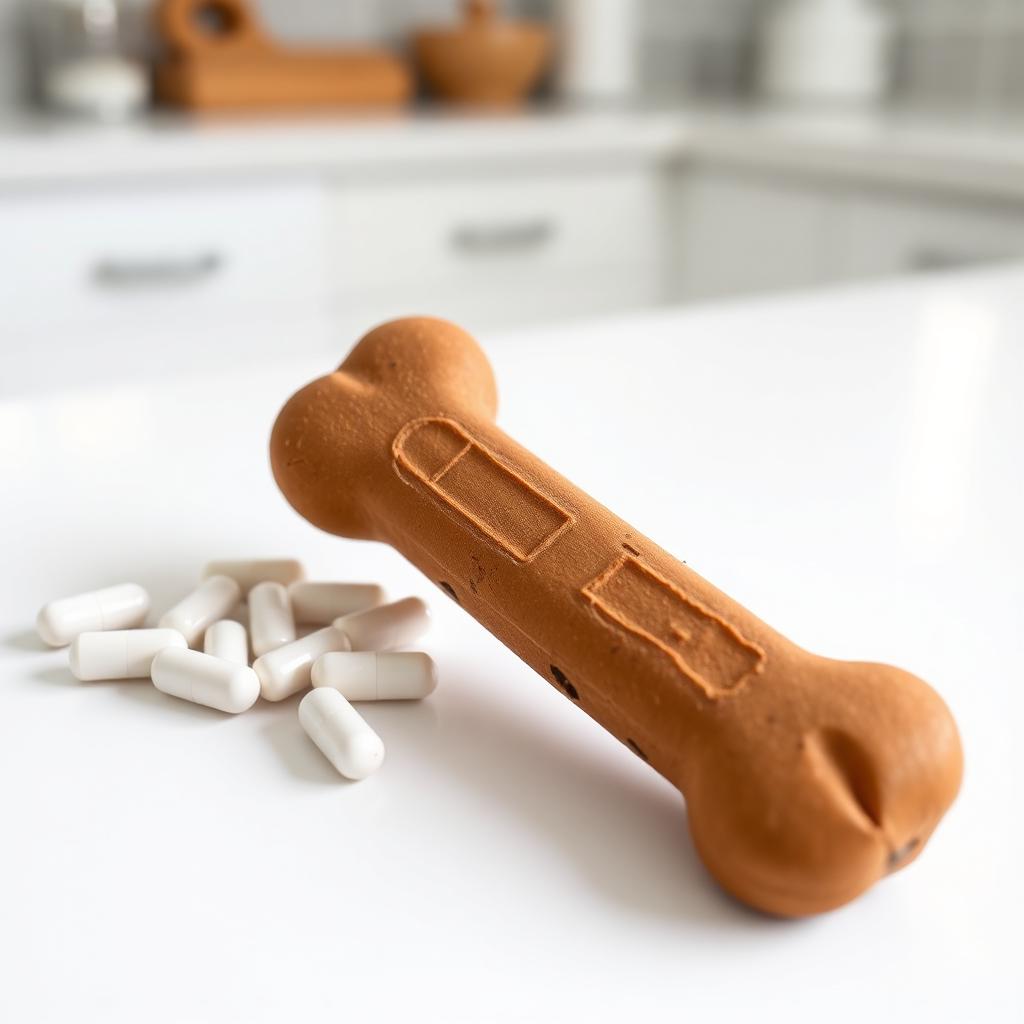
- Veterinary medication treats. Vets and compounding pharmacies put antibiotics like amoxicillin into soft chewable treats so pets will swallow them voluntarily. These are sometimes labelled as biscuits or chews, which can confuse people searching for human food information.
- Name confusion with ammonium bicarbonate. Ammonium bicarbonate is an old fashioned leavening agent used in some hard cookies and Scandinavian baked goods. The name starts with the same letters but the two substances are unrelated.
- Recall headlines. Occasionally a manufacturing facility that handles both human food and pharmaceutical compounds will face a cross contamination recall. The headline pulls people in even though the contamination is accidental.
- Misinformation online. Social media occasionally circulates posts claiming antibiotics are added to food. These claims are not supported by any food regulator.
Veterinary compounding treats explained
If your dog needs amoxicillin, your vet may prescribe a compounded chewable treat from a specialty pharmacy. These look like soft biscuit shaped chews and contain a measured dose of the antibiotic inside a flavoured matrix that masks the bitter taste. They are made strictly for animal use, dosed by the animal's weight, and not safe for humans because the dosage and excipients are formulated for the patient species.
If a human accidentally swallows a pet compounded amoxicillin chew, the risk depends on the dose and the person's allergy history. For most adults a single accidental dose is unlikely to cause harm, but it should be reported to a poison control line. People with penicillin allergy should treat any accidental ingestion as a medical event and seek care immediately.
Ammonium bicarbonate is not amoxicillin
Ammonium bicarbonate, sometimes called bakers ammonia or hartshorn, is a leavening salt that was widely used before modern baking powder existed. It is still used in some traditional cookies (like Greek koulourakia or Scandinavian pepperkaker) where it produces an exceptionally crisp texture. The chemical formula is NH4HCO3. When heated it breaks down into ammonia gas, carbon dioxide, and water, leaving no aftertaste in thin baked goods.
It has no medical use, no antibiotic property, and no chemical relationship to amoxicillin. The confusion is purely on the basis of the first letters of the name.
How to know what is in a biscuit you buy
- Read the ingredient list. Food regulators require every ingredient to be declared. Amoxicillin will never appear on a food ingredient list.
- Check for allergen statements. Wheat, milk, soy, and egg are commonly declared.
- Look for the facility allergen note. Cross contact statements describe what else is made in the same plant.
- Look up recall notices. The FDA in the US, the FSA in the UK, and FSAI in Ireland all publish active recall lists that are searchable by product.
What about antibiotic residues from livestock
This is a different and legitimate topic. Animals raised for meat and dairy can be treated with antibiotics. Regulated withdrawal periods require farms to stop antibiotic use a set number of days before the animal enters the food supply, so any residue falls below safe limits. Random sampling by regulators checks compliance. Antibiotic residue in food is not the same thing as antibiotics being added to food.
If you have concerns about antibiotics in your food
- Choose meat and dairy labelled antibiotic free or organic, which have stricter rules.
- Read recall notices when shopping at the store level.
- Avoid sharing pet medications with humans or human medications with pets.
- Keep prescribed antibiotics out of reach of children and pets.
The bottom line
Amoxicillin is a regulated antibiotic, not a food ingredient. If you searched for this question because of a label, a headline, or a curious moment, the short version is: no, your biscuit does not contain it.
Frequently asked questions
Can I take a pet amoxicillin chew if I run out of mine?
No. Veterinary compounded medications are dosed for the animal species and weight. Human medication must come from a licensed pharmacy.
Is there any food product that contains amoxicillin?
No legal food product contains amoxicillin. Any product that did would be classified as an unlicensed drug.
Can amoxicillin survive baking?
Amoxicillin degrades when exposed to prolonged high heat, so even in a theoretical contamination scenario, baking destroys most of the active drug.
Why did my search return results about biscuits and antibiotics?
Search engines pull pages that match the keywords, which often means veterinary compounding pages, recall notices, or pet pharmacy listings.