Quick Answer
Most commercial gyms set 18 as the age for independent membership, but many allow teens from 13 with a parent on the floor and from 16 to train alone if a guardian signs a liability waiver. Children under 12 are usually limited to supervised kids zones rather than the main gym floor.
Exact age cut offs vary by chain. Planet Fitness allows 13 with a parent. Anytime Fitness usually starts at 16 with a waiver. EoS Fitness and 24 Hour Fitness sit in a similar range. Local councils set their own age rules for public leisure centres.
The reason for the limits is a mix of insurance, supervision capacity, and protecting still developing joints from heavy unsupervised lifting.
Why gyms set minimum ages at all
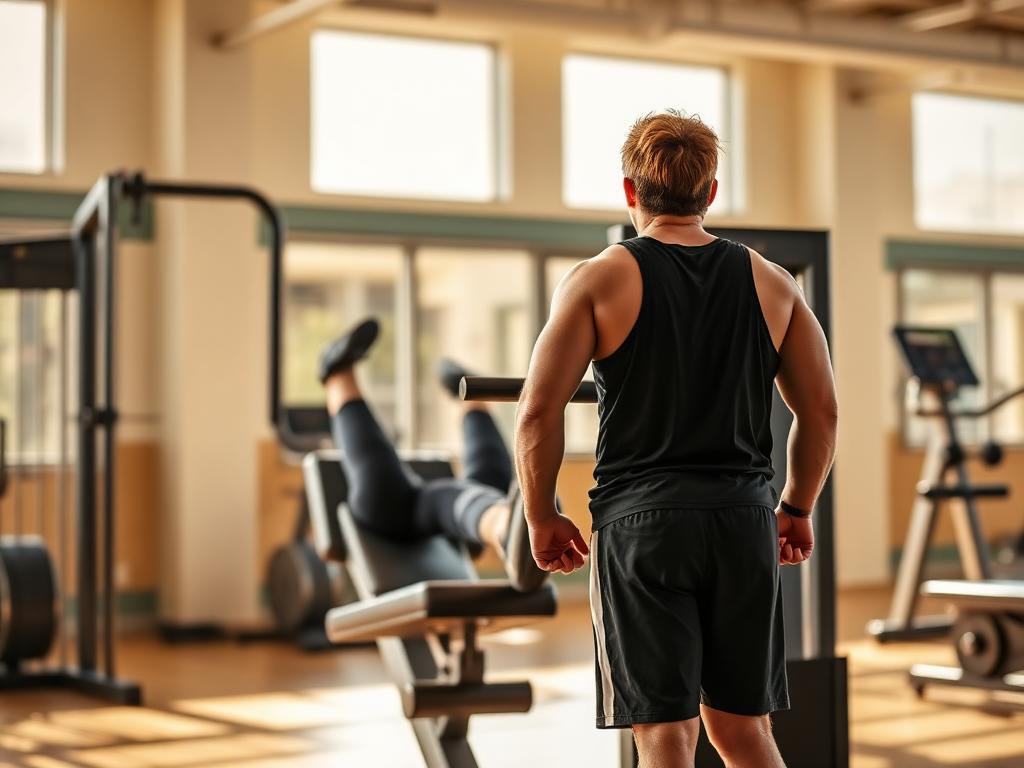
Three things drive every gym age policy. Insurance carriers cap liability for minors at lower coverage limits. Heavy compound lifting in unsupervised teens carries a higher injury rate than supervised training. Equipment like cable stacks and squat racks can pin smaller bodies if used incorrectly. None of that means teens cannot train, only that the rules around how they train get stricter.
Typical age brackets across mainstream chains
- Under 12. Generally not allowed on the main gym floor. Many chains offer supervised kids clubs and family swim sessions.
- 13 to 15 with adult supervision. Allowed on the floor while a parent or guardian trains alongside. A liability waiver is required.
- 16 to 17 independent access. Most chains allow this once a parent or guardian signs a waiver on the teen's profile.
- 18 and over. Full member rights. Can sign their own contract, use 24 hour access, and book PT.
How specific chains compare in 2026
| Chain | Minimum age with parent | Minimum age alone |
|---|---|---|
| Planet Fitness | 13 (parent member required at most clubs) | 18 |
| EoS Fitness | 12 to 13 with parent | 18 |
| Anytime Fitness | Varies by franchise | 16 with waiver, 18 without |
| 24 Hour Fitness | 12 with parent member | 18 |
| LA Fitness | 13 to 14 with parent | 18 |
| YMCA | Varies, often 10 with orientation | 13 to 15 after youth orientation |
Always check the specific club. Franchise locations sometimes set tighter or looser rules than the brand standard.
What the waiver actually does
A parent or guardian waiver does two things. It acknowledges the risks of training and removes the chain's liability for general injury, and it gives the gym permission to enforce safety rules with a minor on the floor. The waiver does not protect the gym from negligence, only from ordinary risk.
Smart training rules for teens 13 to 17
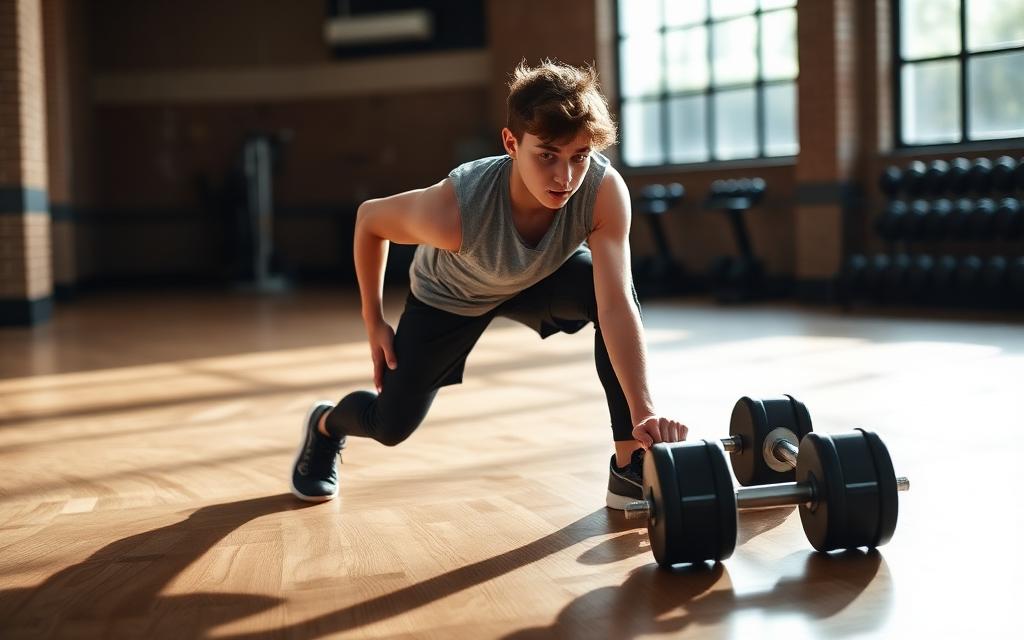
- Prioritise technique over load. Form first, then progressive loading.
- Use machines before free weights. Machines reduce risk while learning movement patterns.
- Avoid maximal lifts. Stay above 5 reps per set and away from one rep maxes during growth years.
- Include a coach for the first month. A few PT sessions early prevent long term form errors.
- Recover hard. Sleep, food, and rest days matter more in growing bodies, not less.
What about youth specific programmes
Most public leisure centres run dedicated junior strength and conditioning blocks, usually for ages 11 to 15. These sessions are coached, run on lighter equipment, and use age appropriate progressions. If your club offers one, it is almost always a better entry point than dropping a 13 year old straight onto the adult floor.
When can a teen sign their own contract
In most countries, you need to be 18 to sign a binding membership contract. Under 18, a parent or guardian signs on the teen's behalf. That parent stays financially responsible for dues, cancellations, and any damages even if the teen is the one using the club.
The legal age picture varies by country
In the United Kingdom, leisure centres set their own rules but typically allow supervised access from age 11 and independent access from 14 to 16 depending on the facility. In Australia, most chains follow a 14 with supervision, 16 alone, 18 unrestricted pattern. In Canada, YMCA and many private chains allow supervised teen use from 12 with a guardian membership.
Public leisure centres vs commercial chains
Council run leisure centres in the UK and similar municipal facilities elsewhere often run dedicated junior gym sessions for 11 to 15 year olds. These are coached, use lighter equipment, and are usually the most accessible legal way for under 16s to lift in a real gym environment. Ask the duty manager about youth strength classes before assuming the main floor is closed off.
What insurance actually allows
The age limits in any chain's policy are usually driven by the wording of its public liability insurance. That is why minimum ages are not standardised across the industry. If a manager says they cannot make an exception, they almost certainly cannot.
Frequently asked questions
Can a 14 year old work out alone?
At most mainstream chains, no. 14 year olds usually need a parent on the floor. Some YMCA branches allow independent access after a youth orientation.
Do I need to be a member to bring my kid?
Yes at most chains. The supervising adult is usually required to be an active member, not just a guest.
Is weightlifting safe for teens?
Yes when coached. Major sports medicine bodies support youth resistance training from around age 11 with proper supervision and load management.
What is the minimum age for a personal trainer to coach a minor?
There is no legal minimum. Most certified trainers can coach minors with a parent waiver and parent presence on the first session.