Quick Answer
Tip a bartender 1 to 2 dollars per drink, or 20 percent of the total if you run a tab.
Use the per drink rule for beer and simple pours, and the percentage rule for cocktails, wine and any tab that runs into double figures.
Tip well on your first drink of the night. It is the single most effective way to get served quickly for the rest of the evening.
Per Drink Versus Percentage
Both conventions are correct, and the choice depends on what you are drinking.
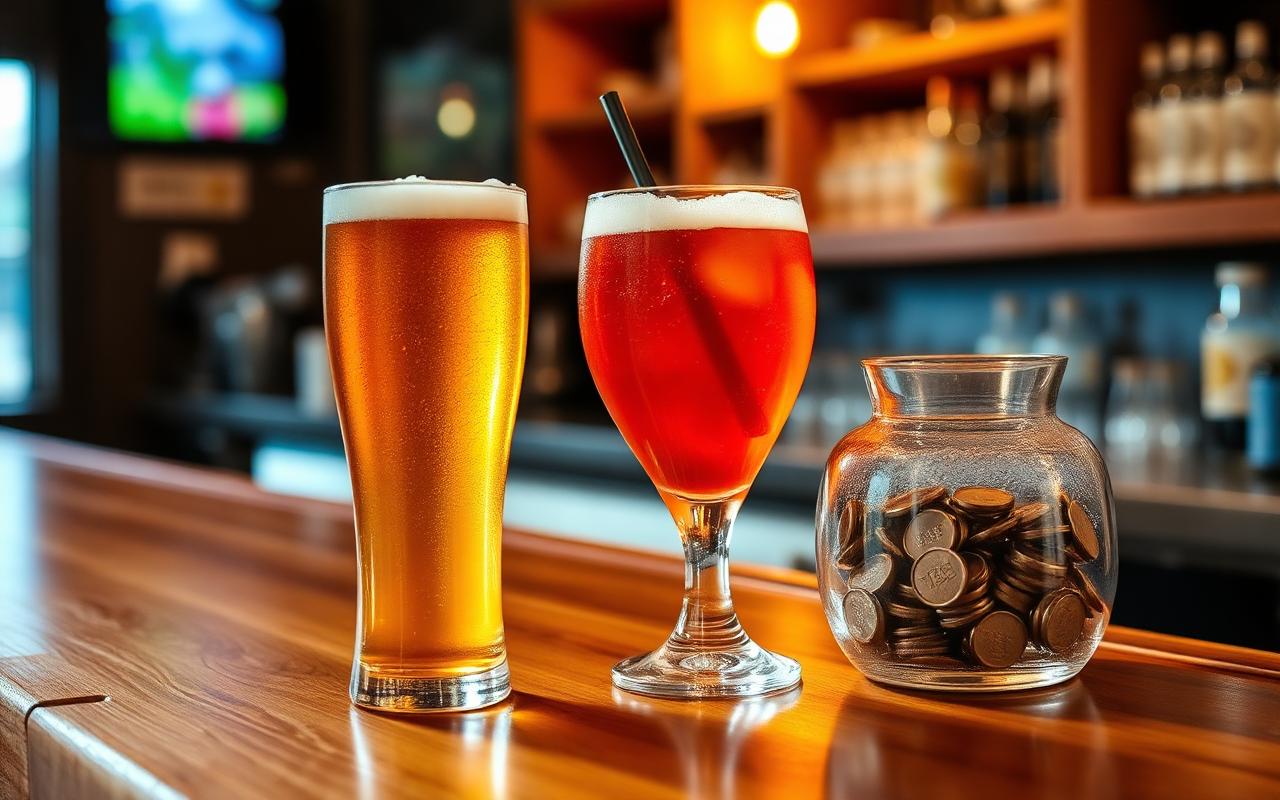
- Bottle or draught beer: 1 to 2 dollars per drink.
- Simple spirit and mixer: 1 to 2 dollars per drink.
- Glass of wine: 2 dollars.
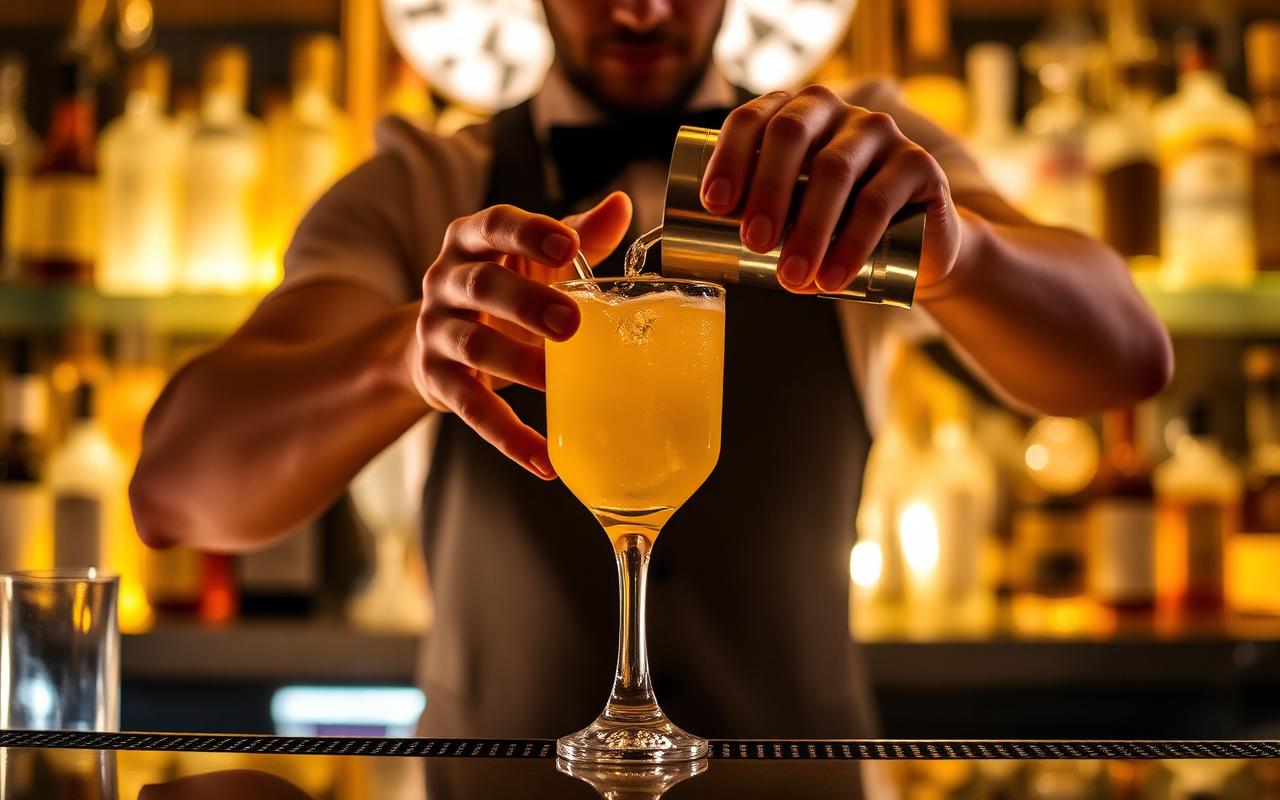
- Craft cocktail: 2 to 3 dollars, or 20 percent.
- Full tab at the end of the night: 20 percent of the pre tax total.
Whichever method you pick, apply the more generous of the two when the drinks are expensive or complicated.
Why the First Drink Matters
Bartenders remember who tips. On a packed Friday, the person who left 5 dollars on their first round gets eye contact before the person who left nothing.
This is not a bribe so much as an efficient market. A bartender has thirty people waving at them and limited time, and rewarding good customers is rational.
Starting well also removes the awkwardness of tipping unevenly later. Set the tone early and then keep it consistent.
Running a Tab
Opening a tab is easier for everyone. The bartender rings fewer transactions and you tip once at the end.
Tip 20 percent of the pre tax total when you close it. On a 90 dollar tab that is 18 dollars.
If your card sits behind the bar all night, closing out properly matters. Walking off without closing creates real problems at cash up.
Check whether an automatic gratuity has already been added for large groups. Double tipping happens constantly on group tabs.
Rounds, Groups and Free Drinks
If you buy a round of six drinks, tip on the round rather than per person. Five to ten dollars on a large round is normal.
If the bartender comps a drink, tip on what it would have cost. A free drink is a gift from the house or from the bartender's discretion, and the correct response is a bigger tip.
On a group tab where everyone pays separately, agree on the tip before splitting so nobody quietly underpays.
Complicated Orders and Slow Bars
A blended drink, a flight of tasters or a cocktail with three garnishes takes real time. Tip 3 dollars or more rather than the standard 1 or 2.
If the bar is short staffed and the wait was long, that is rarely the bartender's decision. They are usually working harder, not less hard.
Tipping normally through a bad rush is what marks out a regular from a one time visitor.
Water, Soft Drinks and Nothing Orders
Ordering a glass of water and nothing else does not require a tip, but a dollar is a kind gesture if you are occupying a seat at a busy bar.
Soft drinks are tipped like any other drink, at roughly a dollar each, since they still take service time.
If you sit at the bar and eat a full meal, tip like a restaurant customer at 20 percent rather than per drink.
How Bar Tips Are Shared Out
Very few bartenders keep every dollar you leave. Most bars operate a tip out, where a share of the night's tips goes to barbacks, glass collectors and sometimes the kitchen.
That share is often calculated on sales rather than on tips received, which means a bartender can end up paying out on a big tab that was tipped badly.
It is another reason a strong tip on a large round matters more than it looks. The maths behind the bar is not as simple as it appears from the stool.
Being a Good Customer at a Busy Bar
Know your order before you reach the front. Deciding at the bar during a rush holds up everybody behind you.
Order the whole round at once rather than in three separate requests, and keep payment ready.
Do not wave money, snap fingers or shout. Bartenders serve in the order they noticed people, and being conspicuous rarely moves you up the queue.
Move away from the rail once you have your drinks so other people can be served.
Close your tab before last orders. Cashing up a long list of open tabs at the end of the night is the least popular part of the shift.
Regulars, Rounds and Long Nights
Becoming a regular is mostly a matter of tipping consistently and behaving well twice in a row. Bartenders build a mental list quickly.
The benefits are real: faster service on a busy night, a heavier pour of the house wine, a seat kept for you at the corner of the bar and honest advice about what is drinking well.
Keep the tipping steady rather than spectacular once and thin afterwards. Predictable is worth more than dramatic.
On a long night out, tip as you go rather than saving it all for a lump at the end. It keeps the service consistent and avoids a nasty surprise on the final card total.
If a bartender talks you out of an expensive bottle toward something cheaper you will enjoy more, tip on the price you would have paid. Honest advice deserves to be rewarded, not penalised.
Frequently Asked Questions
Is 1 dollar per drink still acceptable?
For a simple beer, yes. For cocktails, 2 dollars or 20 percent is the current norm.
Should you tip on a comped drink?
Yes, tip what you would have tipped on the full price.
Do you tip 20 percent on a tab and per drink as well?
No. Choose one method for the night.
Is cash better than adding a tip to the card?
Cash reaches the bartender faster, but card tips are entirely acceptable.
Do you tip at an open bar at a wedding?
One or two dollars per drink is a kind gesture unless the couple has explicitly prepaid gratuities.
Bottom Line
One to two dollars per simple drink, 2 to 3 for cocktails, or a flat 20 percent on a tab covers almost every situation at a bar.
Tip well on the first round, tip on comped drinks as if you paid, and check group tabs for an automatic service charge before adding more.