Quick Answer
16,000 steps burns roughly 450 to 1,120 calories for most adults. The midpoint for a 160 lb person walking at a steady moderate pace lands close to 650 calories.
That step total covers about 7.57 miles, or 12.18 km, and takes around two and a half hours at 3 mph.
Bodyweight, pace, and terrain together explain almost all of the variation between individuals.
How the number is calculated
Exercise physiologists use Metabolic Equivalent of Task (MET) values. Walking on flat ground at 3 mph carries a MET of 3.5. The standard formula is:
Calories per minute = (MET x weight in kg x 3.5) / 200
Multiply that by the time it takes to log 16,000 steps and you get a defensible total.
Translating 16,000 steps into distance
Adults average a 2.5 foot stride, so 16,000 steps equals 40,000 feet of movement, or 7.57 miles (12.18 km). At a steady 3 mph pace, that journey takes around 151 minutes.
- Distance: 7.57 miles / 12.18 km.
- Time at 3 mph: ~2 hours 31 minutes.
- Time at 4 mph: ~1 hour 53 minutes.

Calorie burn by body weight and pace
| Body weight | Slow (2 mph) | Moderate (3 mph) | Power walk (4.5 mph) |
|---|---|---|---|
| 120 lbs (54.4 kg) | 450 | 520 | 640 |
| 150 lbs (68 kg) | 560 | 650 | 800 |
| 180 lbs (81.6 kg) | 670 | 780 | 960 |
| 210 lbs (95.2 kg) | 780 | 910 | 1,120 |
These figures assume flat terrain. Hills, sand, and stairs all push the burn higher.
Variables that shift the number
- Incline. A modest 3 to 5 percent incline can add 25 to 50 percent to the calorie cost.
- Carry weight. A loaded backpack at 10 percent of bodyweight adds roughly 10 percent to the burn.
- Stride. Taller walkers cover more distance per step, so the same 16,000 step total becomes a longer, harder walk.
- Cadence. Faster steps per minute keeps heart rate elevated and pushes the MET above 3.5.
- Fitness level. A trained walker is more efficient and tends to fall at the lower end of published ranges.
How 16,000 steps fits into a real day
The total is roughly double the typical adult average, but it is achievable without dedicated cardio sessions.
- 30 minute morning walk: around 3,000 steps.
- Active commute or errands: 2,500 to 4,000 steps.
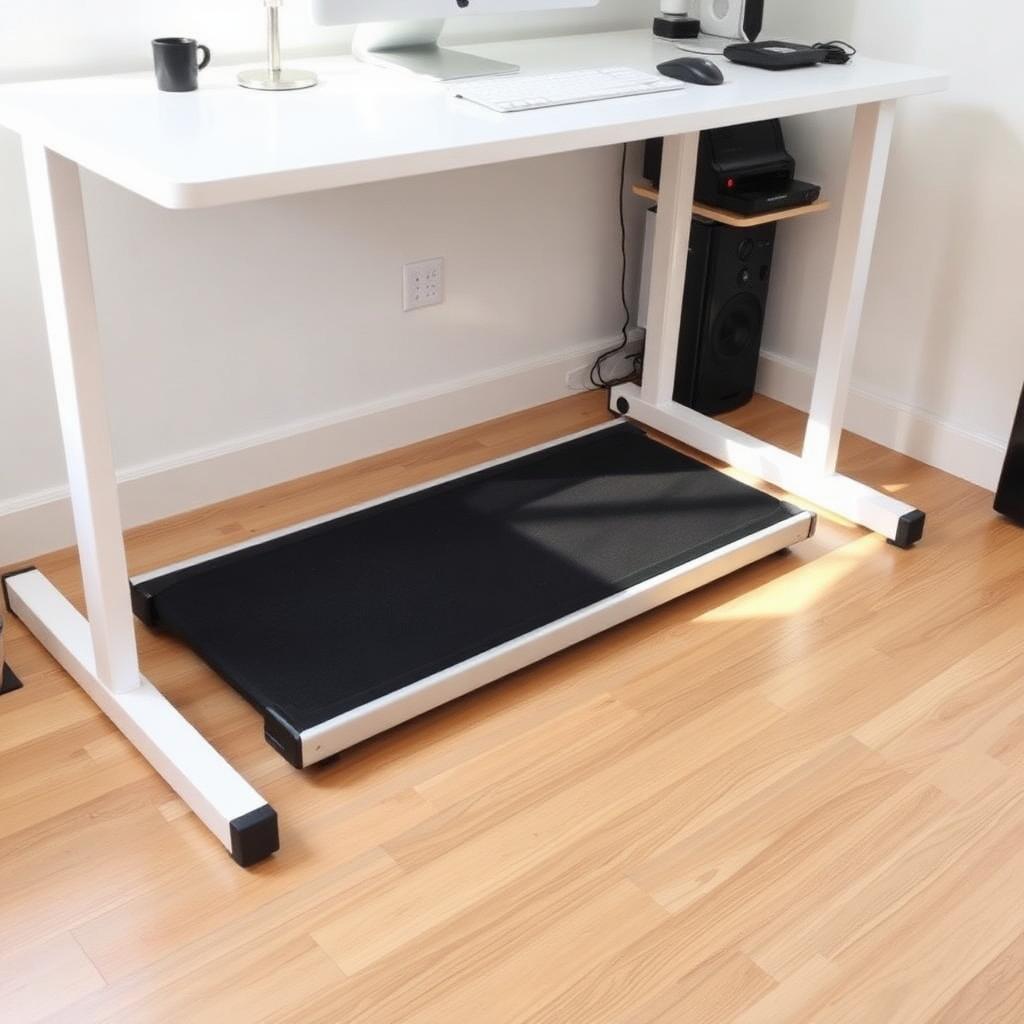
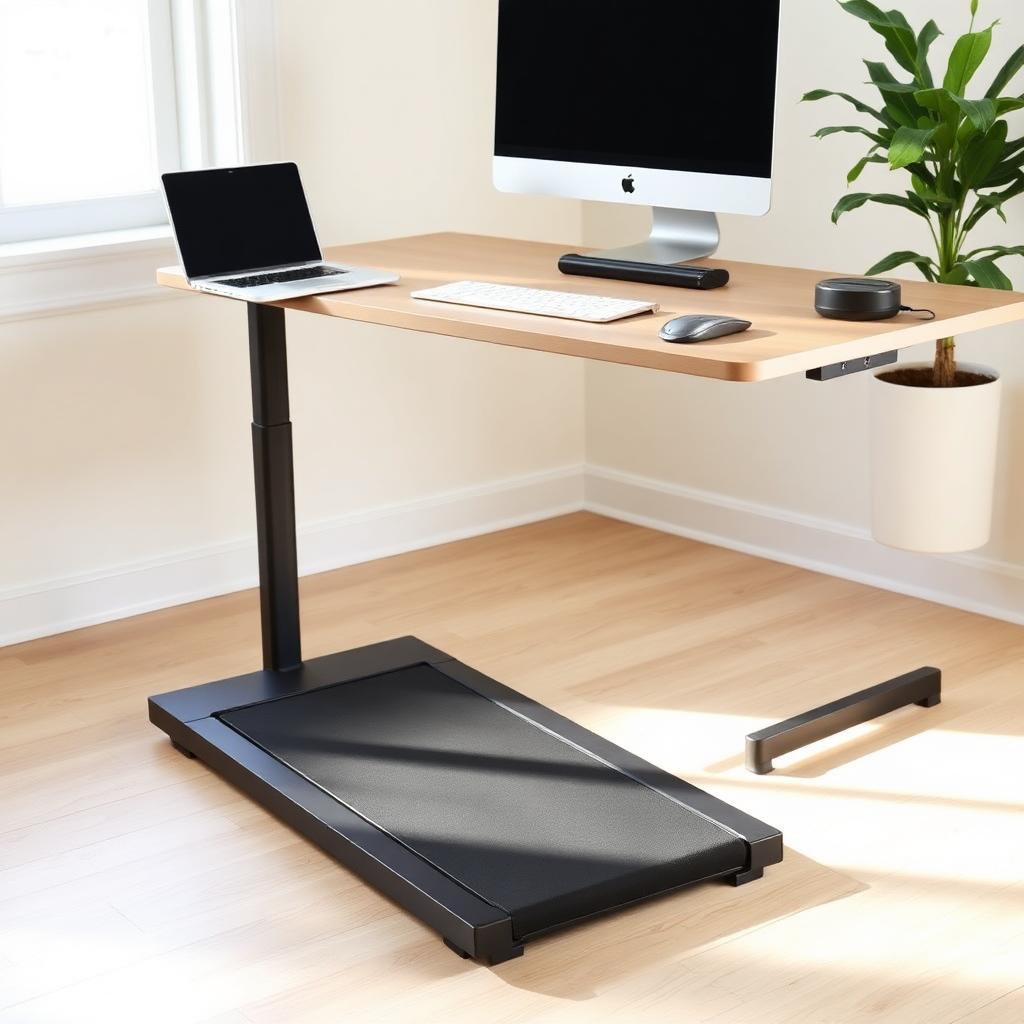
- Standing desk with movement breaks: 3,000 to 4,000 steps.
- Post dinner family walk: 3,000 to 4,000 steps.
Stack two or three of those and the day hits 16,000 with room to spare.
The long term metabolic impact
Hitting 16,000 steps consistently does more than burn calories in the moment.
- NEAT goes up. Non Exercise Activity Thermogenesis raises your baseline calorie burn for hours after the walking stops.
- Insulin sensitivity improves. Regular walking clears glucose efficiently and reduces post meal spikes.
- Resting heart rate drops. Within 8 to 12 weeks of consistent high step volume, most people see a 3 to 8 bpm reduction.
- Cardiovascular markers improve. LDL cholesterol and blood pressure both trend lower in well controlled trials.
How to actually walk that much
People who sustain 16,000 step days tend to use three strategies.
- Bookend the day. A morning and evening walk does the heavy lifting.
- Build it into errands. Park further away, walk to coffee shops, skip elevators.
- Walking phone calls. Any conversation that does not need a screen can happen on foot.
Important disclaimer
Calorie burn figures from wearables are estimates and typically vary by 10 to 30 percent versus lab grade testing. Use the ranges in this article as a planning tool, and judge progress by trends over weeks rather than daily numbers. Anyone with joint, cardiovascular, or metabolic conditions should ramp up step volume gradually and check in with a doctor before pushing into the upper ranges.
The takeaway
16,000 steps a day puts you in the genuinely active category. The calorie burn lands somewhere between 450 and 1,120 for most adults, with bodyweight and pace doing the heavy lifting on variation. Stack it consistently and the bigger win is the metabolic shift, not just the daily energy expenditure.
Common mistakes that inflate the number
Wearable calorie counts for 16,000 steps are often higher than reality, and a few habits make the gap worse. Letting a watch run while you sit in the car or on a train still logs micro movement as steps. Wrist mounted devices double count steps when you carry a phone in the same hand. And calibrating a tracker with the wrong stride length can shift the calorie figure by 10 percent or more.
The fix is straightforward: pause activity tracking during transit, calibrate stride length with a measured walk, and treat the daily number as a rough range rather than a precise lab measurement.
Frequently asked questions
How long does 16,000 steps take?
Around 2 hours 30 minutes at a moderate 3 mph pace, or under 2 hours at brisk pace.
Is 16,000 steps a day enough for weight loss?
Combined with a stable diet, the calorie burn typically supports 1 to 2 lb of fat loss per week.
Can I split the steps across the day?
Yes. Total burn is similar whether the steps come in one walk or several. The afterburn effect is slightly smaller when split, but the calorie figure stays close.
What is a healthy upper limit for daily steps?
Healthy adults can comfortably handle 20,000 steps a day. People with joint or cardiovascular issues should build up gradually and listen to recovery signals.