Quick Answer
Constant travel photography can quietly weaken your memory of the trip. Research by cognitive psychologist Dr Linda Henkel and others identifies a phenomenon called the Photo Taking Impairment Effect, where the act of photographing an object reduces how much your brain remembers about it. The brain offloads the work of remembering to the camera and stops encoding the details itself.
The fix is not to stop taking photos. It is to take fewer, more intentional ones, and to look at the scene with your own eyes before you raise the camera. Mindful photography genuinely improves both the photos and the memories.
What the research actually says
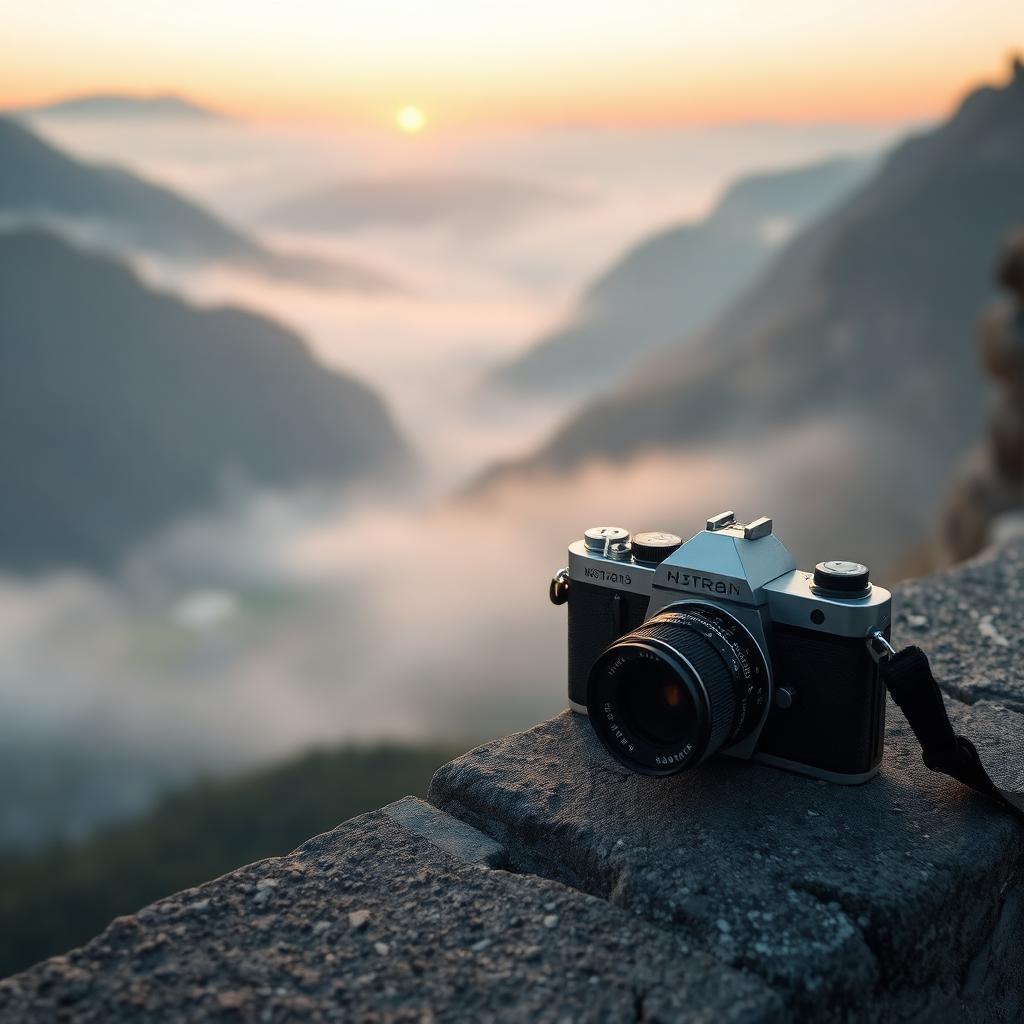
Dr Linda Henkel of Fairfield University published her well known museum study in Psychological Science in 2014. Participants walked through an art museum and were asked either to observe specific objects or to photograph them. On the following day, the participants who had photographed objects remembered fewer details about them than those who had simply looked at them.
A follow up study showed that the effect partially disappeared when participants zoomed in on a specific feature of the object before photographing it, which is a clue to the underlying mechanism. The brain seems to disengage when the act of photographing feels automatic and engage more deeply when the act requires choice and attention.
Why this happens: cognitive offloading
The Photo Taking Impairment Effect is one example of a broader phenomenon called cognitive offloading. The brain treats external storage devices, including cameras, notebooks, and search engines, as extensions of its own memory. When you take a photo, your brain implicitly decides that the information is now stored elsewhere and reduces the effort it puts into encoding the details itself.
The result is paradoxical. You end up with a folder of two hundred photos from a museum visit and a thinner personal memory of what you actually saw. The camera remembered for you. Your brain did less work.
The shift from experience to performance
There is a second, social layer on top of the cognitive one. Modern travel photography is no longer just a personal record. It is increasingly a performance for a social audience. We compose for the feed, frame for the story, and curate for the like count. That shift moves attention away from the sensory present and toward the future audience.
The cost is a flattened experience. The smell of the food market, the temperature of the air at the viewpoint, the sound of the language being spoken around you, and the texture of the stone wall you leaned against all get traded for a two dimensional frame that performs well on a small screen. The photo survives. The experience does not.
Mindful photography in practice
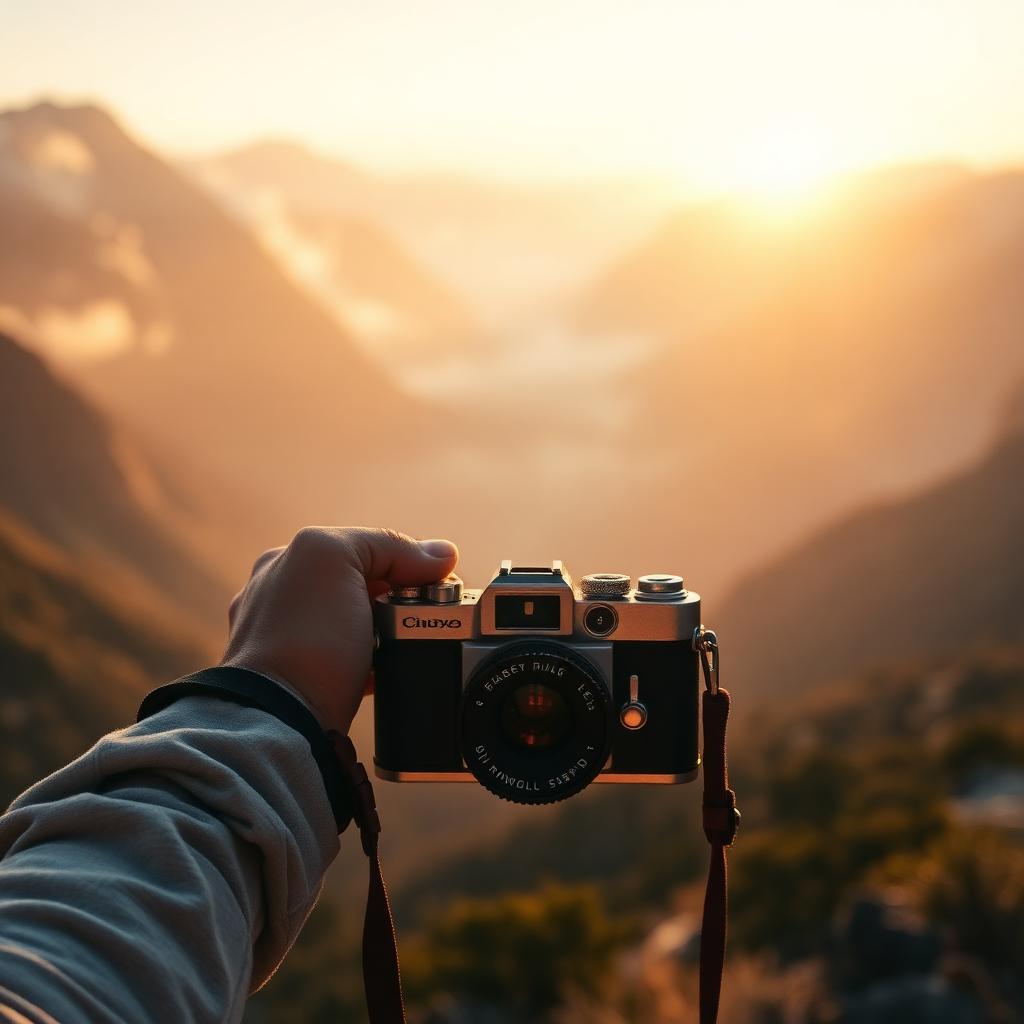
The fix is straightforward and it has been validated by both cognitive science and by working photographers. The principle is to look first, photograph second, and limit the number of frames you take.
- Look for one full minute before raising the camera. Just stand and observe. Notice three specific details that you would not have seen at a glance.
- Choose one frame, not ten. The discipline of selecting a single shot forces your attention into composition, light, and meaning rather than coverage.
- Zoom in on a feature. Henkel's follow up research suggests that this active framing partially cancels the impairment effect.
- Put the camera away after. Sit with the scene for another minute without the lens between you and the place.
- Write a one sentence note. A short caption in your phone or a paper journal, written in your own words, dramatically strengthens the memory.
What working travel photographers do differently
Professional travel photographers do not take more photos than casual travellers. They often take fewer. The difference is the time they spend looking before they shoot. They wait for the light. They wait for the right person to walk into the frame. They return to the same spot at different times of day. That patience is exactly the practice that strengthens memory and produces better photos at the same time.
The lesson is that you do not have to be a professional to borrow the habit. You just have to be willing to stop hunting for the next frame and let yourself be in one place for a few minutes.
When the photos genuinely help memory
The research is not a blanket case against travel photography. Photos can strengthen memory in two specific ways. First, looking back at photos after the trip, especially in the first few weeks, helps consolidate the memory into long term storage. Second, photos that include people, especially loved ones, tend to anchor the social and emotional context of the experience more strongly than scenery alone.
The pattern is: take fewer photos in the moment, look back at them more deliberately afterwards. Most travellers do the opposite, hammering the shutter on the trip and never opening the folder again. That is the worst of both worlds.
A simple rule for your next trip
- For the first ten minutes at any major sight, leave the camera in your bag.
- For the next twenty minutes, take no more than ten photos.
- For the rest of the time, look first and only photograph what you are still thinking about a minute later.
Try this at one major site on your next trip and compare how much you remember of it a week later versus a site where you photographed freely.
The takeaway
Travel photography is not the enemy of memory. Mindless travel photography is. The Photo Taking Impairment Effect is a real cognitive cost, but it has a real solution. Look before you shoot, take fewer and more intentional frames, write a short note when you can, and revisit the photos afterwards. Done that way, the camera helps you remember rather than replacing the memory. You leave the trip with both better photos and a richer sense of having actually been there.
Frequently asked questions
What is the Photo Taking Impairment Effect?
It is a memory phenomenon identified by Dr Linda Henkel in which the act of photographing an object reduces how well you remember it afterwards. The brain offloads the work of remembering to the camera.
Does taking photos always hurt memory?
No. Taking a smaller number of intentional photos, especially zoomed in on specific features, does not seem to produce the same impairment and can even strengthen recall when you revisit the images later.
How can I take better travel photos and remember more?
Observe for a full minute before raising the camera, choose one strong frame instead of ten weak ones, and write a brief note describing what you saw.
Is it bad to share travel photos on social media?
Not inherently. The risk is that composing for a social audience can pull your attention out of the present moment. If you find yourself shooting only for the feed, take a few frames purely for yourself first.