Quick Answer
Agree the method before you order, not after the bill arrives. That one habit removes almost all bill awkwardness.
An even split is fine when everybody ordered roughly similarly. Itemise when spending is clearly uneven, when somebody is not drinking, or when the group is large.
One person paying the card and everybody transferring their share immediately is the cleanest method in practice.
Decide Before You Order
Raise it at the start in one light sentence: "Shall we just split it evenly, or pay for what we each have?"
Deciding early changes what people order, which is the point. Somebody who knows the bill is being split evenly will order differently from somebody paying their own way.
Whoever organised the dinner should be the one to raise it. It is the least awkward version of the question.
Write nothing down and take no offence at the answer. Both methods are completely reasonable.
When an Even Split Is Fair
Everybody ordered a similar number of courses at similar prices.
Everybody is drinking, and drinking at roughly the same rate.
The group is small enough that a few dollars either way genuinely does not matter to anybody in it.
Dishes were shared, which makes itemising impossible anyway.
The even split is faster, kinder to the server and avoids ten minutes of arithmetic. It is the right default among people with similar means.
When You Should Itemise
Somebody is not drinking. Alcohol is usually the largest single distortion on a restaurant bill and an even split can double a non drinker's cost.
Somebody had a starter, a steak and three glasses of wine while somebody else had a soup.
The group is large. In a group of ten, small differences add up to a genuinely unfair number.
Somebody in the group is on a tight budget. That person will almost never say so out loud, and itemising quietly protects them.
Somebody is claiming it on expenses and needs their own line.
Practical Methods That Work
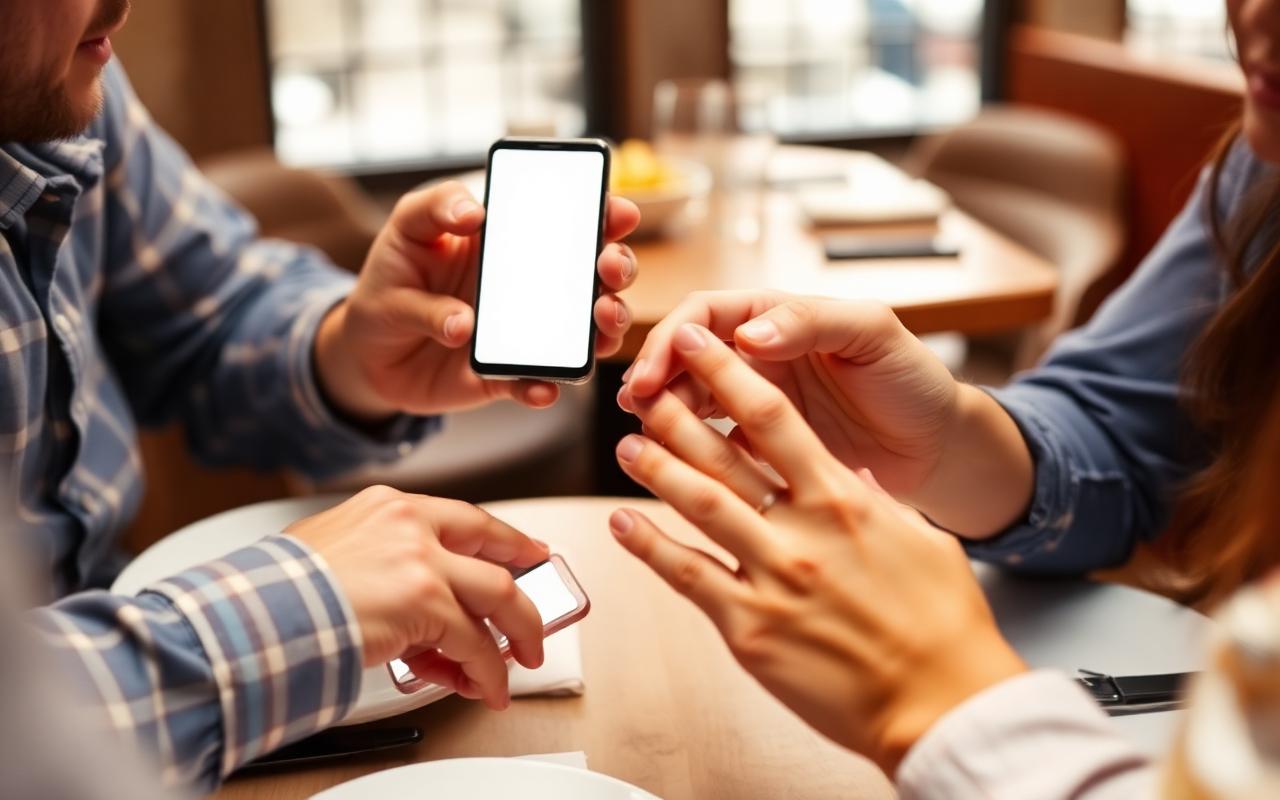
One card, then transfer. One person pays the whole bill and the others transfer their share on the spot. Fast, easy for the restaurant, and there is no unpaid balance.
Split the card machine. Many restaurants can split across several cards, but ask before the bill arrives and expect a limit on how many.
A splitting app. Useful for groups of six or more, or for a trip with many shared costs.
Rotating who pays. Excellent for a group that eats together regularly. It evens out over time and removes the maths entirely.
Cash into the middle. Still works, but somebody almost always ends up short and covering the difference.
Whatever the method, transfer your share that evening. Chasing four people for 22 dollars each over a fortnight is the real cost of a bad split.
Drinks, Shared Plates and Service
Split the shared items evenly and the individual items individually. A shared bottle of wine among the four who drank it, the mains to each person.
People who drink significantly more should offer to cover more. That offer is worth making even if the group waves it away.
Include tax and service in each person's share proportionally rather than making one person absorb them.
Check for a service charge before adding a tip, and agree the tip as a group so nobody is topping up somebody else's.
Birthdays and Special Occasions
If it is somebody's birthday, the group usually covers them. Say so at the start so they can order without doing the maths.
Divide the birthday person's share among everybody else, including their drinks, and do not announce the total.
If you invited people to celebrate your own birthday, you are the host and you should either pay or make it explicit in the invitation that everybody is paying for themselves.
Any invitation with the word invite should include how the bill works. "Come and celebrate, we are all paying our own way" is not rude, it is clear.
Awkward Situations
The person who always underpays. Move the group to itemised splitting rather than confronting them at the table. The method solves it silently.
The person who suggests splitting evenly after ordering the most expensive things. Say it once, lightly: "I think it is easier if we each cover our own tonight."
Very uneven incomes in the group. Choose the restaurant more carefully rather than adjusting the split afterwards. Price point is where inclusion actually happens.
A guest who genuinely cannot pay. Cover them quietly and never mention it.
Business dinners. Whoever did the inviting pays, and this is not negotiable in most professional contexts.
Dates. Whoever invited should offer, and the other should offer to split. Either result is fine.
Keeping It Easy for the Restaurant
Do not ask for eleven separate bills on a busy service. Ask what the restaurant can handle and work within it.
If separate bills are needed, say so when you order rather than at the end, because many systems have to be set that way from the start.
Have the maths done before the server comes back with the machine.
Thank the server for splitting it. It is extra work and it is almost never acknowledged.
Frequently Asked Questions
Is it rude to ask to split the bill by item?
No, particularly when spending was uneven or somebody is not drinking. Raise it before ordering rather than after the bill lands.
Should non drinkers pay for alcohol in an even split?
No. Alcohol should be split among the people who drank it, because it is usually the largest imbalance on the bill.
Who pays for the birthday person?
The group usually divides their share between everybody else, and it should be agreed before ordering so they can relax.
What is the easiest way to split a bill?
One person pays the full amount on their card and everybody transfers their share immediately, before leaving the table.
Who pays at a business dinner?
The person or company who did the inviting pays the whole bill.
Bottom Line
Agree the method before ordering, split evenly only when the spending is genuinely similar, and itemise when drinks or courses make it uneven.
Have one person pay and everybody transfer that evening, cover the birthday person, and keep it simple for the restaurant.