
Quick Answer
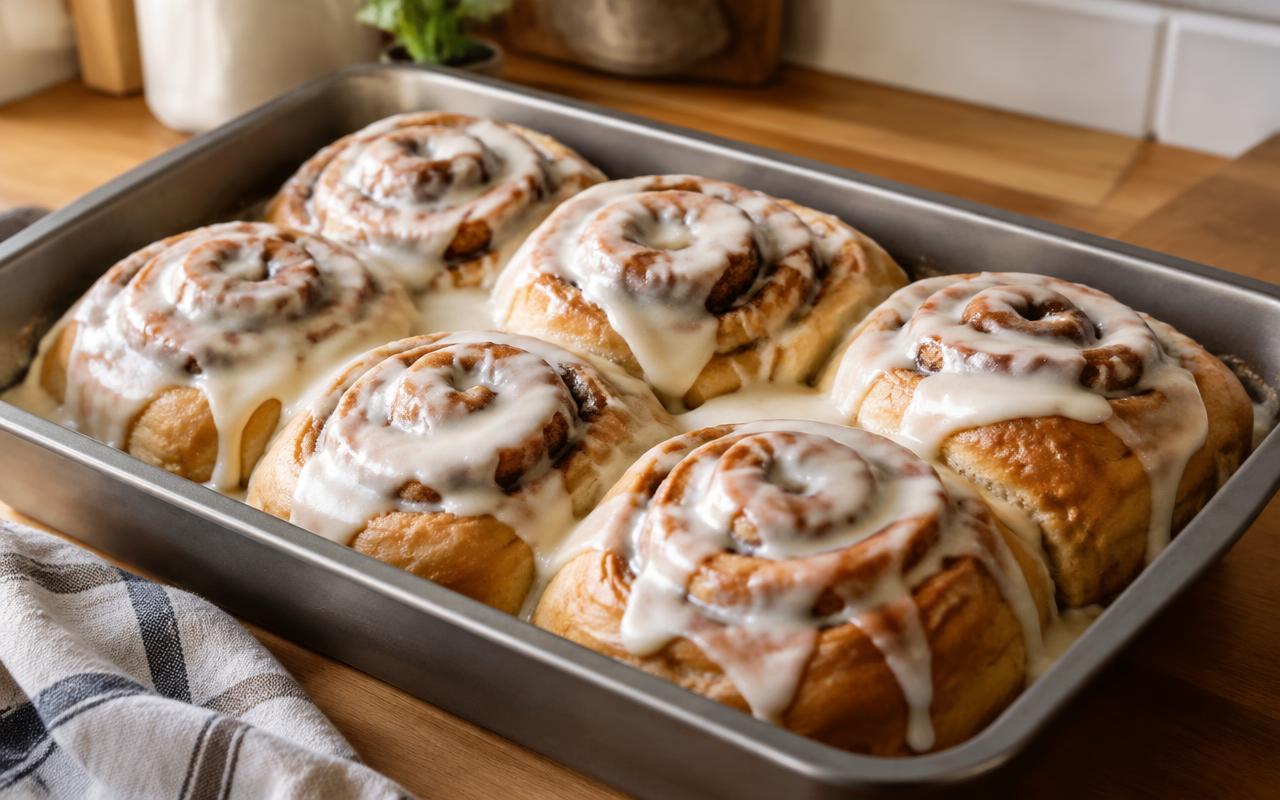
To make cinnamon rolls from scratch, mix a soft dough of flour, warm milk, yeast, sugar, egg and butter, then knead and let it rise until doubled, about 1 to 1 1/2 hours.
Roll it into a rectangle, spread with soft butter and cinnamon sugar, roll it up and cut into 12 rolls. Let them rise again for 30 to 45 minutes.
Bake at 350 F for 22 to 28 minutes until golden, then spread with cream cheese icing while they are warm.
What Ingredients Do You Need?
Dough:
- 1 cup whole milk, warmed to about 110 F
- 2 1/4 teaspoons (1 packet) instant or active dry yeast
- 1/4 cup granulated sugar
- 1 large egg plus 1 egg yolk, at room temperature
- 6 tablespoons butter, melted and slightly cooled
- About 4 cups all purpose flour
- 1 teaspoon salt
Filling: 6 tablespoons very soft butter, 3/4 cup packed brown sugar and 2 tablespoons cinnamon.
Icing: 4 ounces cream cheese, 3 tablespoons butter, 1 1/2 cups powdered sugar, 1 teaspoon vanilla and a splash of milk.
Why Weigh the Flour?
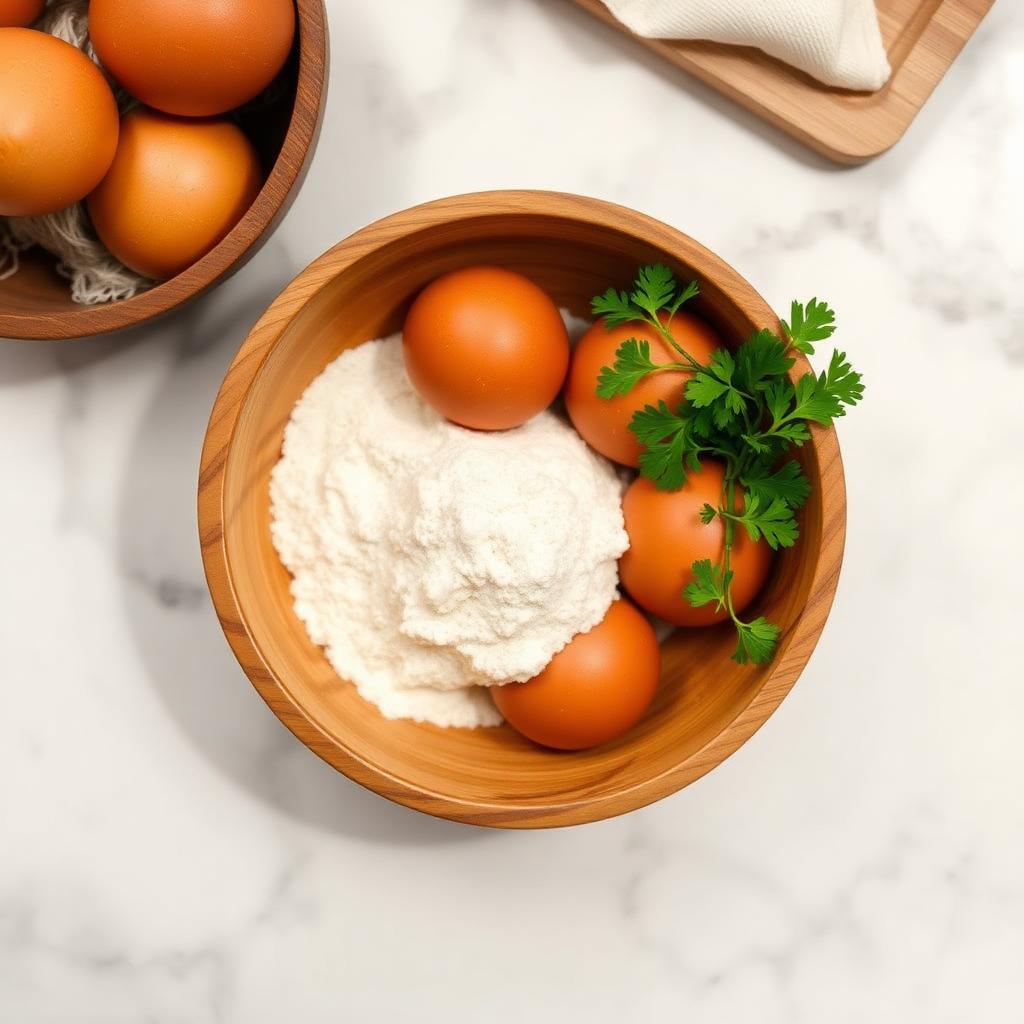
Too much flour is the number one reason cinnamon rolls come out dry and dense. A cup of flour can weigh anywhere from about 120 to 150 grams depending on how you scoop it.
A kitchen scale takes the guessing out. Aim for about 500 grams of flour, and hold back the last half cup until you see how the dough feels. It should be soft and slightly tacky, not stiff.
How Do You Make Cinnamon Rolls, Step by Step?
1. Wake the yeast. Stir the warm milk, yeast and a pinch of the sugar in a large bowl. If you use active dry yeast, wait 5 to 10 minutes until foamy. Milk hotter than about 120 F can kill yeast, so test it on your wrist. It should feel warm, not hot.
2. Mix the dough. Whisk in the rest of the sugar, the egg, yolk and melted butter. Add 3 1/2 cups flour and the salt and stir into a shaggy dough.
3. Knead. Knead by hand for 8 to 10 minutes, or 6 minutes in a stand mixer with a dough hook. Add flour a spoonful at a time only if it sticks badly. The dough is ready when it is smooth and springs back slowly when poked.
4. First rise. Place it in a greased bowl, cover and let rise in a warm spot until doubled, about 1 to 1 1/2 hours.
5. Fill. Roll the dough into a 16 by 12 inch rectangle. Spread the soft butter all the way to the edges, then sprinkle evenly with the cinnamon sugar.
6. Roll and cut. Starting from a long side, roll up tightly. Slice into 12 rolls with unflavored dental floss or a sharp serrated knife.
7. Second rise. Place in a greased 9 by 13 inch pan. Cover and let rise for 30 to 45 minutes until puffy and touching.
8. Bake. Bake at 350 F for 22 to 28 minutes, until golden brown. The center rolls should read about 190 F on a thermometer.
9. Ice. Beat the icing ingredients until smooth and spread over the warm rolls.
Why Are My Cinnamon Rolls Hard or Dry?
- Too much flour in the dough.
- Overbaking. Pull them as soon as they are golden.
- Underproofing, which leaves them tight and heavy.
- Using a hot oven. 350 F keeps the inside soft while the tops brown.
A trick many bakers use is pouring 1/2 cup of warm heavy cream over the rolls right before baking. It makes the bottoms extra gooey.
Why Did My Filling Leak Out?
Melted butter runs out of the rolls and burns in the pan. Use very soft, spreadable butter instead so the sugar sticks in place.
Roll the dough tightly and pinch the seam closed. Placing the rolls seam side down also helps hold the filling in.
Can You Make Cinnamon Rolls the Night Before?
Yes, and it is my favorite way to serve them for breakfast. Shape the rolls, place them in the pan, cover tightly and refrigerate overnight, up to about 16 hours.
In the morning, let them sit at room temperature for 45 minutes to 1 hour to finish rising, then bake as usual.
Is It Safe to Taste the Dough?
No. The FDA explains that flour is a raw food that has not been treated to kill bacteria, and raw eggs can carry Salmonella. The CDC gives the same warning. Do not eat or taste raw dough or let kids snack on it.
The FDA also advises washing your hands, bowls and counters well after working with raw flour, since it spreads easily as a fine powder.
How Do You Store and Freeze Cinnamon Rolls?
Iced rolls with cream cheese icing should go in the fridge, covered, for up to 4 to 5 days. Warm them in the microwave for 15 to 20 seconds.
To freeze, bake the rolls, cool them and freeze them without icing for up to 2 to 3 months. Thaw, warm in a 300 F oven and ice fresh.
How Do You Help Dough Rise in a Cool Kitchen?
Yeast works slowly below about 70 F. Turn the oven on to its lowest setting for 1 minute, switch it off and set the covered bowl inside with the door closed.
You can also place the bowl next to, not on, a warm stove, or set it over a pan of hot water. A slower rise is fine too. It just takes longer and gives the dough a little more flavor.
Frequently Asked Questions
Can I use bread flour?
Yes. The rolls will be a bit chewier and taller.
Instant or active dry yeast?
Either works. Instant can go straight into the flour.
How do I know the dough has doubled?
Press a floured finger in about half an inch. If the dent stays, it is ready.
Can I skip the cream cheese?
Yes. Use a simple glaze of powdered sugar, milk and vanilla.
The Bottom Line
Soft cinnamon rolls come from a rich, slightly tacky dough, two full rises and a gentle 350 F bake.
Weigh your flour, use soft butter in the filling, pull them while golden and ice them warm. Make them the night before and breakfast is almost effortless.