Quick Answer
Tents leak for three reasons: failing seam tape, a worn out Durable Water Repellent (DWR) coating on the flysheet, and degraded polyurethane (PU) coating on the floor. Fix all three with a one off restoration: apply liquid seam sealer (Gear Aid Seam Grip or McNett SilNet) to every inside seam, spray a fresh DWR coat (Nikwax TX Direct or Gear Aid ReviveX) onto a clean flysheet, and brush a new PU coat (Gear Aid Tent Sure) onto the floor after scraping off any sticky residue.
The job takes a weekend, costs 40 to 80 dollars in supplies and adds five to ten years of life to a quality tent.
Why tents stop being waterproof
A new tent is waterproof for two reasons. The fabric has a chemical DWR coating that makes water bead up and roll off, and a polyurethane (or silicone) coating on the inside that creates a true waterproof membrane. Stitched seams are sealed with a thin tape that prevents water from wicking through the needle holes.
Three things kill that system over time:
- UV light breaks down both PU coatings and seam tape.
- Friction from packing, dirt and pine sap abrades the DWR layer.
- Moist storage grows mould that eats the coatings from the inside out. A damp tent in a stuff sack is the single fastest way to ruin one.
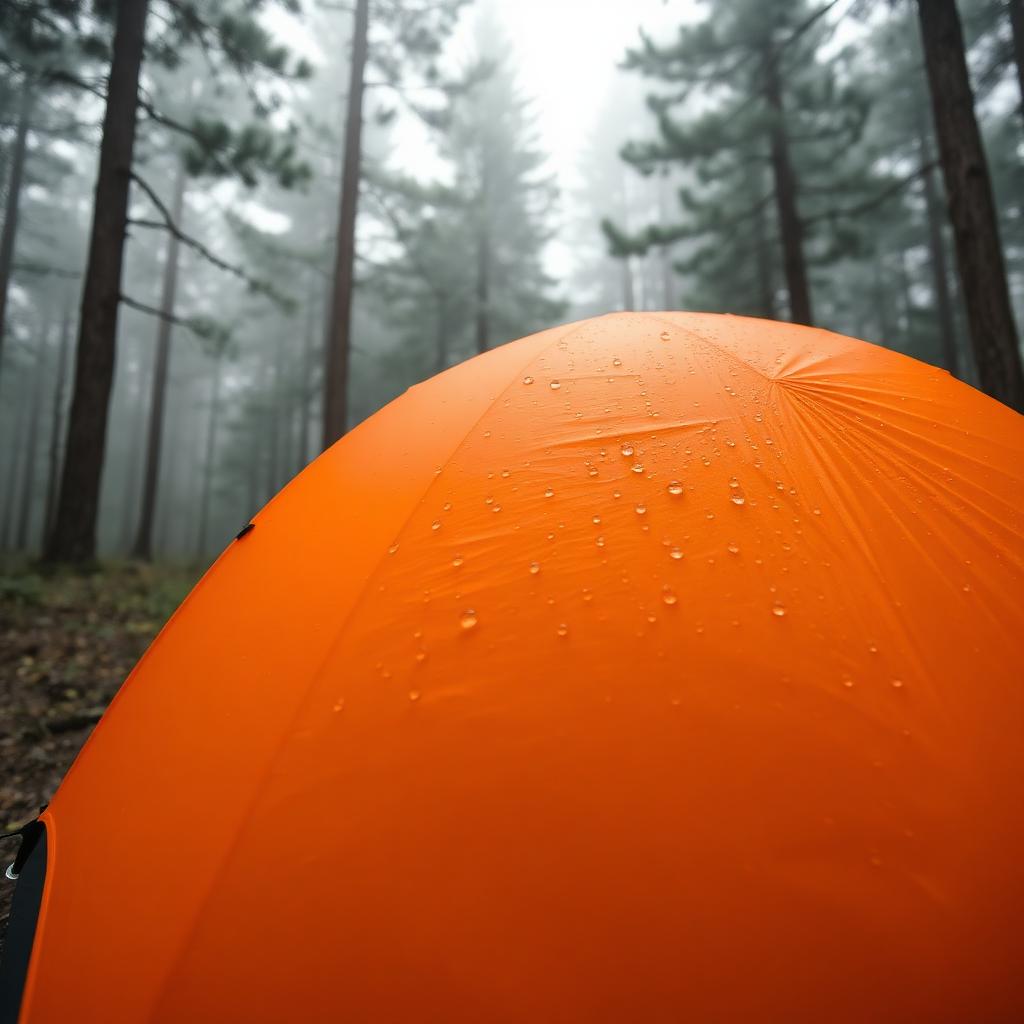
You will know your DWR is gone when water stops beading and instead soaks into the flysheet and turns it dark. You will know your seam tape is gone when you peel back a flap and see brown flakes. You will know your floor coating is dead when it feels sticky or smells sour.
What you will need
- Liquid seam sealer matched to your tent fabric: Seam Grip WP for polyurethane coated tents (most), SilNet for silicone coated (silnylon) tents. Read the floor care label.
- DWR spray such as Nikwax TX Direct Spray On or Gear Aid ReviveX Durable Water Repellent.
- Tent floor coating such as Gear Aid Tent Sure (for PU) or McNett SilNet (for silnylon).
- A soft sponge, mild non detergent soap, lukewarm water and a microfibre cloth.
- A plastic putty knife or old credit card for scraping flaking coating.
- A dry, shaded, well ventilated work area such as a garage with the door open.
Step 1: clean the tent
Pitch the tent fully (this is critical, you cannot reseal a tent in a bag) and let it air for a few hours. Brush off dirt with a soft brush, then sponge clean any stains with lukewarm water and a tiny amount of mild non detergent soap. Rinse thoroughly. Detergents leave residues that block new coatings from bonding.
Let the tent dry completely before doing anything else. Any trapped moisture under fresh sealant turns into a mould farm.
Step 2: reseal the seams
Turn the flysheet inside out so the original seam tape is facing you. Where the tape is flaking, peel it gently with the putty knife. You do not need to remove every scrap of old tape; just the loose bits.
Apply liquid seam sealer along each seam in a thin, continuous strip. Use the small brush that comes with most kits or a clean cheap craft brush. Cover both the seam itself and about a half inch on either side. Let cure for at least 8 hours (overnight) in a dry, ventilated space before moving on.
Do the same on every inside floor seam where the fabric joins the floor. These take the most abuse from sleeping bodies.
Step 3: restore the DWR on the flysheet
The DWR is the outermost coating. With the flysheet still pitched and clean and dry, spray the entire outside surface in even passes from about 6 inches away. Get full coverage including the door, vestibule and stuff sack flap.
Wait the manufacturer's recommended time (Nikwax suggests letting it dry naturally; Gear Aid recommends a low heat tumble for separate fabric items, but for a pitched tent simply let it air dry for two to four hours). Wipe up any drips with a damp microfibre cloth before they pool.
Test by misting the dry flysheet with a spray bottle. Water should bead and roll off. If it still soaks in patches, apply a second coat to those areas.
Step 4: re proof the floor
Turn the inner tent or footprint upside down so the floor is facing up. If the original PU coating is sticky or peeling, scrape gently with the putty knife and rubbing alcohol to remove every flake. Skipping this step means your new coat will not bond.
Pour a small amount of tent floor coating into a paper cup and brush it on in thin, even strokes (Gear Aid Tent Sure is designed for this and comes with a foam brush). One coat is usually enough; two if the floor was badly degraded. Let it cure flat for at least 24 hours before packing the tent away.
Step 5: store the tent properly
The cause of most coating failure is poor storage. After every trip:
- Air dry the tent fully before packing.
- Store loose in a cotton or mesh bag, never crammed into the original stuff sack long term.
- Keep it in a cool, dry, dark space. Hot attics destroy PU coatings within a season.
Quick tests to know when to re proof
- Spray the flysheet with a hose. If water sheets instead of beading, the DWR is gone.
- Put a hand under the floor while a partner pours a litre of water on top. Damp hand means the floor coating is gone.
- Run a finger along a seam in bright sunlight. Cracks in the silver tape mean it is time to reseal.
When to repair versus replace
A full restoration makes sense on a tent that originally cost 250 dollars or more and is structurally sound. If the poles are bent, the zippers are blown out or the fabric tears at the lightest tug, replace it. UV damage is the one thing you cannot undo: fabric that has gone brittle and crumbles when crumpled is past saving.
FAQs
Can I waterproof a tent in the rain?
No. Both seam sealer and DWR need a clean, dry surface to bond. Wait for two consecutive dry days.
How long does a fresh DWR coat last?
About 12 to 18 months of moderate use, or 50 to 80 nights pitched, before it starts to noticeably wear at high friction spots.
Is silicone seam sealer better than polyurethane?
Only on silnylon tents. Always match the sealer to the original fabric: PU sealer on PU coated tents, silicone on silnylon. They do not adhere to the wrong material.
The takeaway
A leaking tent is almost never beyond repair. Reseal the seams, restore the DWR and refresh the floor coating in that order, give every layer enough cure time, and store the tent dry. You will get many more seasons out of gear most owners would have already thrown away.