Quick Answer
The most effective natural stress reducers with real clinical evidence are slow paced breathing (especially exhaling longer than you inhale), regular moderate cardio, consistent sleep, and a small set of supplements with decent trial data, mainly ashwagandha, L theanine, and magnesium glycinate. None of them replace treatment for an anxiety disorder, but together they reliably lower resting heart rate, cortisol, and reactivity to everyday stressors.
Everything below is about chronic, low grade stress, the kind that wears people down over months. If you are in crisis, please talk to a clinician.
What stress is actually doing to your body
When your brain registers a threat, real or imagined, the sympathetic nervous system fires. Heart rate rises, breathing speeds up, blood vessels in the gut narrow, and the adrenal glands release cortisol and adrenaline. This is useful for ten seconds, in which you either run, fight, or solve the problem.
The trouble is modern stressors do not end in ten seconds. They are emails, deadlines, money, and relationships, all of which can quietly keep the system half lit for hours every day. Chronically elevated cortisol is linked to poorer sleep, slower wound healing, higher blood pressure, and lower immune response.
The vagus nerve, in plain terms
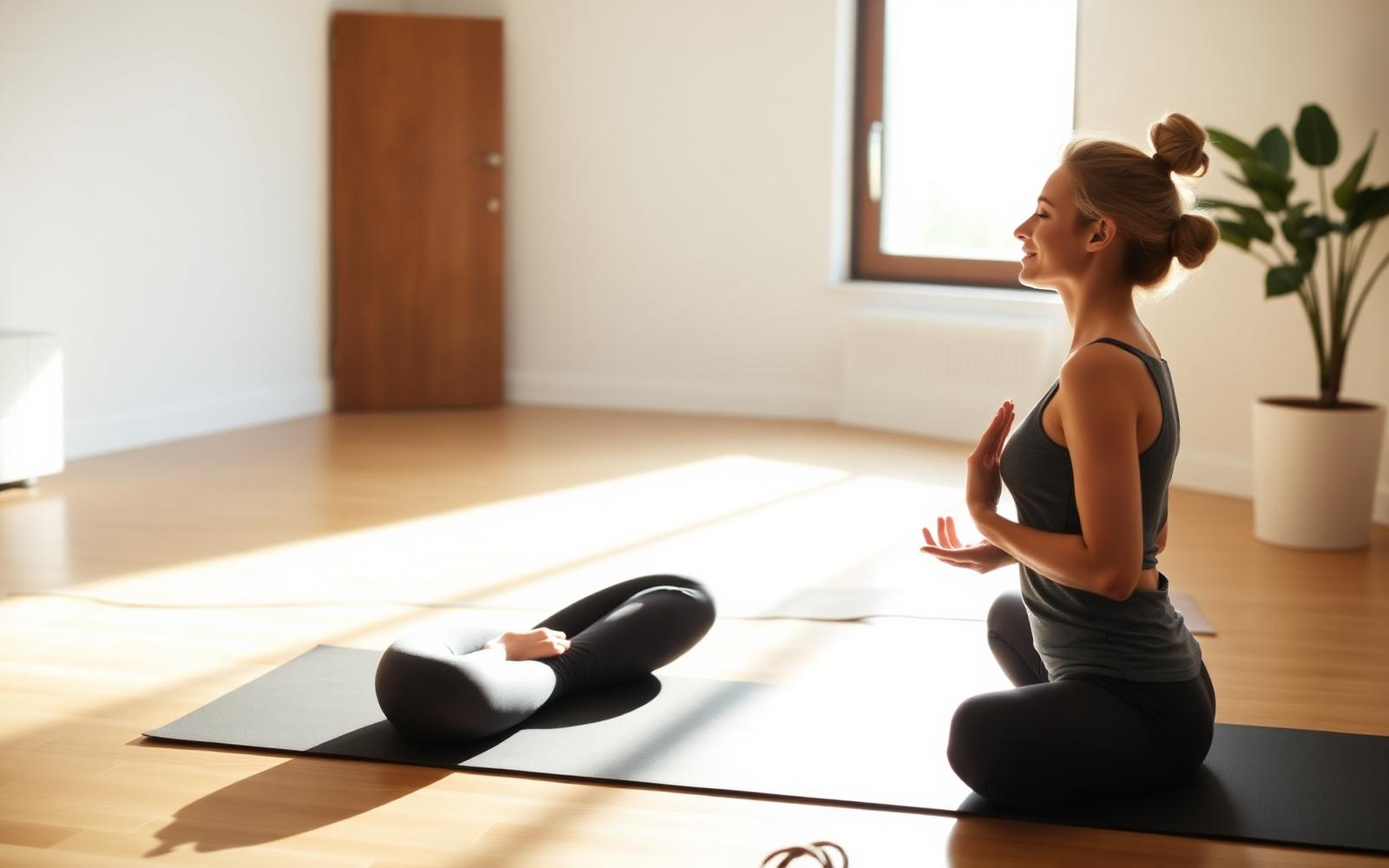
The vagus nerve is the longest cranial nerve and the main wire of the parasympathetic ("rest and digest") system. The good news is that you can stimulate it deliberately. Slow exhalation, humming, gargling, cold water on the face, and certain yoga postures all trigger vagal activity. The result is a measurable drop in heart rate and a calmer subjective state, usually within a minute or two.
Three breathing techniques worth learning
4 7 8 breathing
Inhale through the nose for 4 seconds, hold for 7, exhale through the mouth for 8. Repeat four cycles. The long exhale is the active ingredient, because it shifts the autonomic balance toward the parasympathetic side. Do not power through it if you feel lightheaded, just shorten the counts proportionally.
Box breathing
4 seconds in, 4 hold, 4 out, 4 hold. Used by military pilots and free divers for a reason: it is hard to spiral into panic when you are counting evenly. Great for before a meeting or a difficult conversation.
Coherent breathing
About 5 to 6 breaths per minute, with equal length inhale and exhale. Practised for 5 minutes a day, it has been shown to raise heart rate variability, a marker of nervous system flexibility, in randomised trials.
Exercise as a daily reset
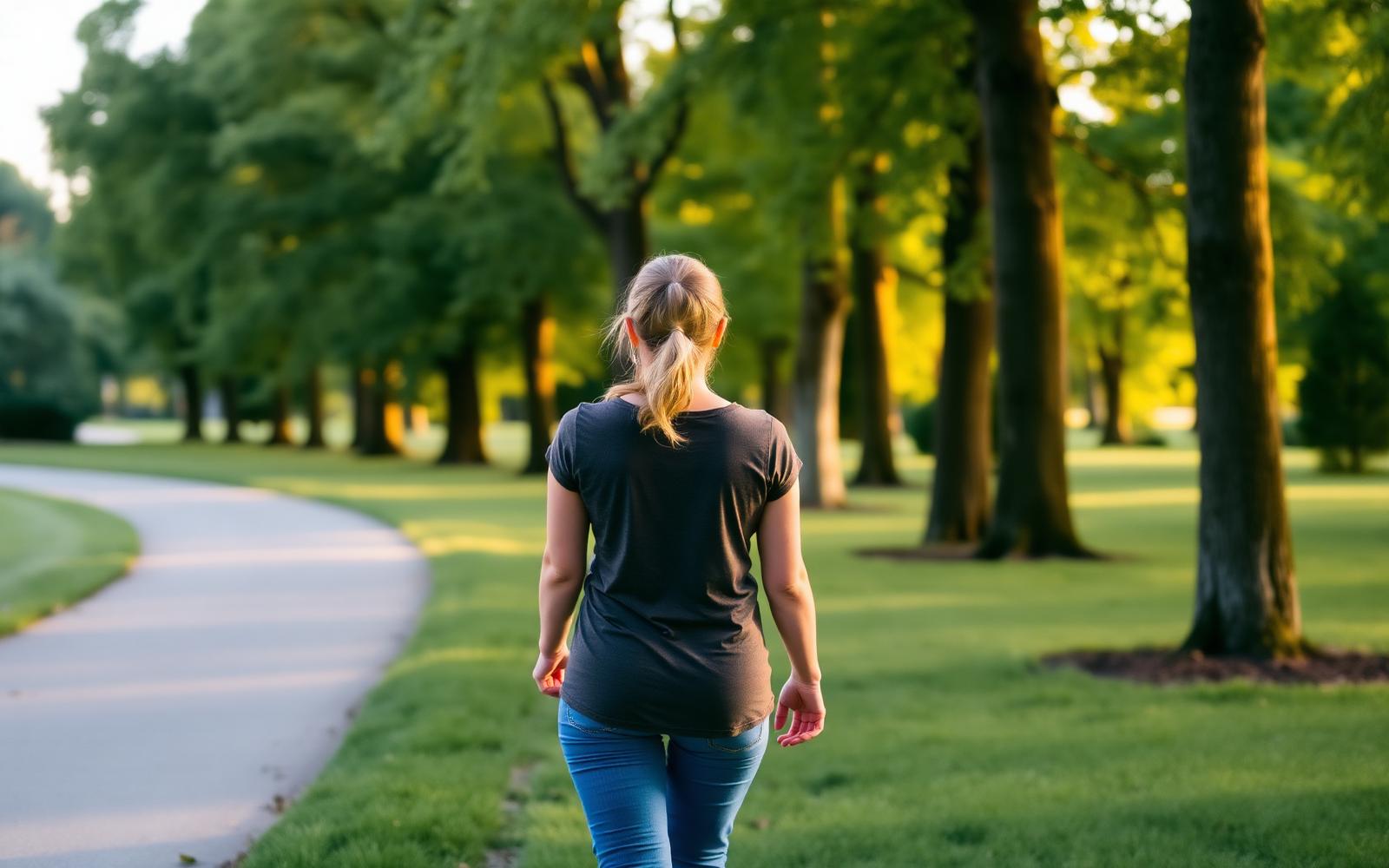
A 30 minute brisk walk is one of the most boring, most effective stress interventions ever measured. It lowers cortisol, improves sleep quality, and triggers a small endorphin response that lifts mood for hours afterwards. Strength training works too, and resistance training in particular has independent benefits for anxiety scores in clinical trials.
The win is consistency, not intensity. Five short walks across the week will outperform one heroic gym session on Saturday for stress purposes.
Adaptogens and supplements with real evidence
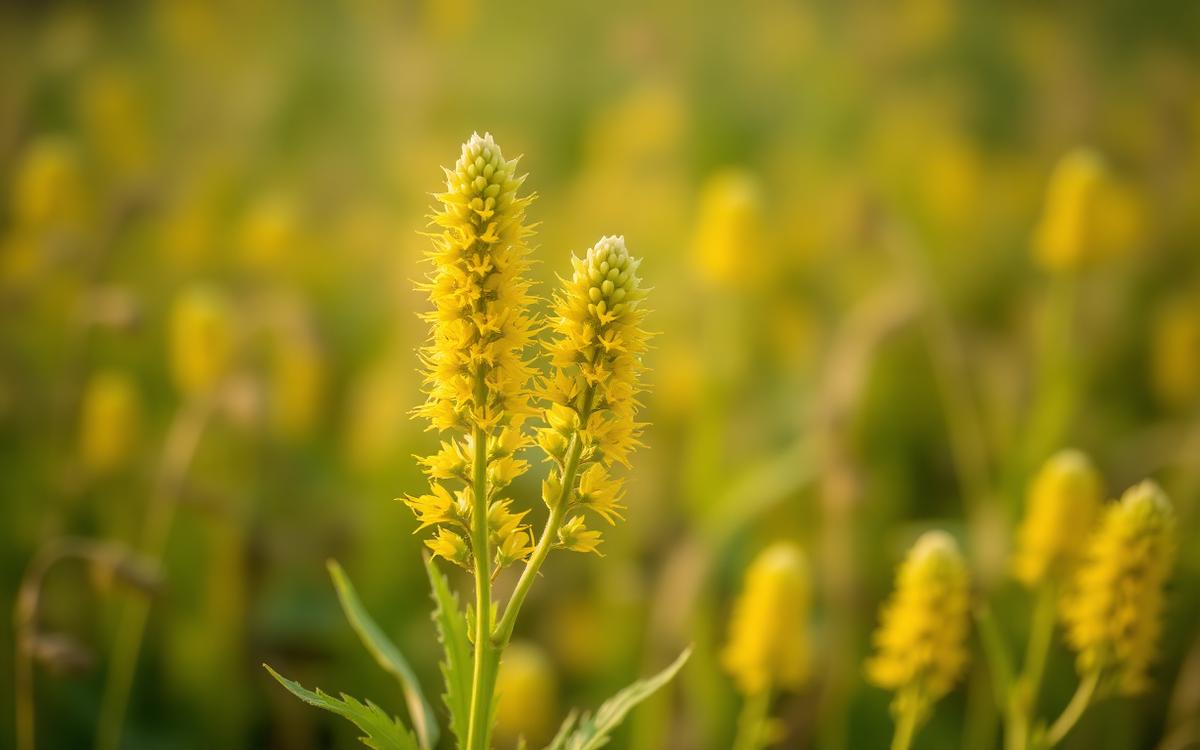
- Ashwagandha (Withania somnifera). Multiple randomised trials have shown a meaningful drop in serum cortisol and perceived stress at doses around 300 to 600 mg of a standardised root extract daily, taken for 8 weeks or more.
- L theanine. An amino acid in green tea. Promotes alpha brainwave activity, the relaxed but alert state, without sedation. Useful around 100 to 200 mg in the daytime.
- Magnesium glycinate. Many people run low on magnesium, and deficiency is associated with poorer sleep and higher anxiety. Glycinate is well absorbed and gentle on the gut.
- Rhodiola rosea. Mixed but promising evidence for fatigue and stress reactivity, especially in mentally demanding work.
None of these are magic. They give modest, measurable nudges. Talk to your doctor before adding supplements, especially if you take medication, are pregnant, or have a thyroid condition.
The quiet habits that raise your stress floor
The single biggest lever most people miss is sleep. Five nights of poor sleep raises baseline cortisol and lowers stress tolerance for everything else. After that:
- Caffeine after about 2 pm, which raises heart rate well into the evening.
- Doomscrolling at night, which keeps the brain in low grade threat detection mode for hours.
- Skipping meals, which spikes adrenaline as blood sugar drops.
- Holding your breath while concentrating (yes, you do this, watch yourself at the keyboard).
A simple weekly stack to try
If you want a starting point: five 30 minute walks across the week, a 5 minute slow breathing session morning and evening, a hard cut off on caffeine after lunch, and a consistent bedtime within a 30 minute window. Layer in supplements only after you have the basics in place, so you can tell what is actually working.
The takeaway
You do not need a retreat in the mountains to lower your stress. The mechanics are well understood: lengthen the exhale, move the body daily, protect sleep, and consider a couple of evidence based supplements. None of it is dramatic in week one, but the difference at week eight is usually obvious to the person doing it and to everyone around them.