Quick Answer
Adult rescue breathing is used when a person has a pulse but has stopped breathing, a condition called respiratory arrest. Open the airway with a head tilt chin lift, pinch the nose closed, seal your mouth over theirs, and deliver one steady breath over 1 second every 5 to 6 seconds (about 10 to 12 breaths per minute). Watch for visible chest rise with every breath.
If you are not trained, call emergency services immediately and follow the dispatcher's instructions. This guide is educational. Hands on CPR certification with an accredited provider is the gold standard.
If at any point you cannot find a pulse, switch to full CPR with chest compressions.
When rescue breathing is used
Rescue breathing is the standalone technique for someone whose heart is still beating but who has stopped breathing. Examples include drowning recovery, opioid overdose before respiratory failure becomes cardiac arrest, and certain choking aftermaths.
If there is no pulse, rescue breathing alone is not enough. You move to full CPR with compressions and rescue breaths together. Modern guidelines from the American Heart Association update these protocols periodically, so a current certification course is the right way to stay sharp.
Open the airway first
In an unconscious adult, the tongue relaxes back and can completely block the airway. The first move is always to open it.
- Place one hand flat on the person's forehead.
- Place two fingers of your other hand under the bony part of their chin.
- Gently tilt the head back while lifting the chin upward.
This is called the head tilt chin lift and it arches the neck enough to pull the tongue forward and clear the airway.
If a neck injury is suspected
For trauma patients where a spine injury is possible, use the jaw thrust instead. Place fingers behind the angles of the jaw and lift forward without tilting the head. This requires training to do correctly, which is one reason in person certification matters.
Deliver the breath
Once the airway is open, the breathing technique itself has four parts.
- Pinch the nose closed with the thumb and index finger of the hand still on the forehead.
- Create a seal. Take a normal breath, open your mouth wide, and place it completely over the person's mouth.
- Blow steadily for 1 full second. The chest should visibly rise.
- Release and let the chest fall before the next breath.
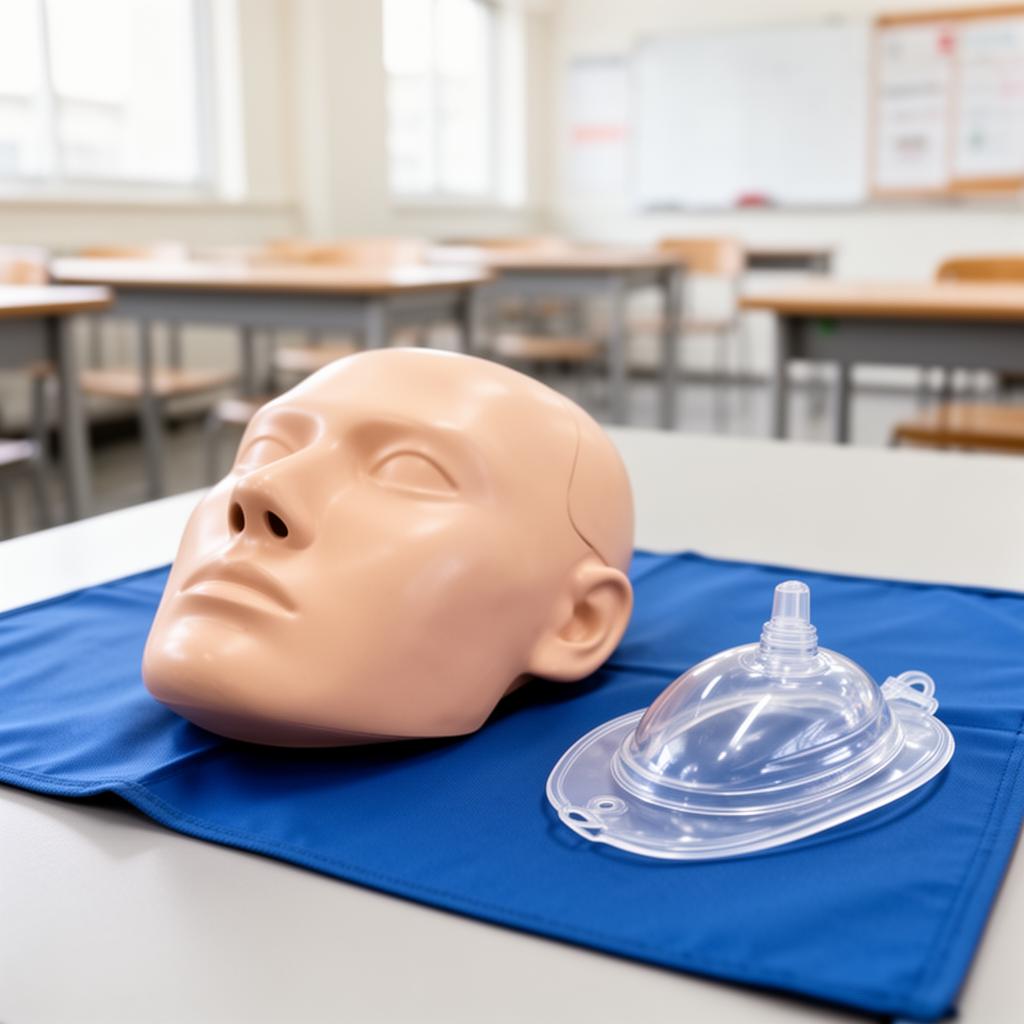
Use a barrier device like a CPR pocket mask if available. Most workplace and school first aid kits carry one. The mask creates a seal without direct mouth to mouth contact.
The cadence to remember
The current adult rescue breathing rate is one breath every 5 to 6 seconds, which works out to 10 to 12 breaths per minute. Count out loud: "one one thousand, two one thousand" between breaths to stay on tempo.
Recheck the pulse every 2 minutes. If the pulse disappears, switch immediately to full CPR (30 chest compressions followed by 2 rescue breaths). Always re check guidelines through a current certification course because protocols evolve.
Avoid gastric inflation
The most common mistake is blowing too hard or too fast. Excess pressure forces air past the epiglottis and into the stomach instead of the lungs. Gastric inflation causes vomiting, which can block the airway or be aspirated into the lungs, both of which make the situation worse.
- Use only enough volume to see the chest rise. No more.
- Deliver each breath over a full 1 second. Slower than you think.
- If the chest does not rise, reposition the head and try again before increasing volume.
When to stop
Continue rescue breathing until one of three things happens:
- The person starts breathing on their own.
- Emergency medical services arrive and take over.
- You are physically unable to continue.
If they start vomiting, gently roll the entire body together onto its side so the airway can clear, then resume breathing if they remain unconscious.
Important note
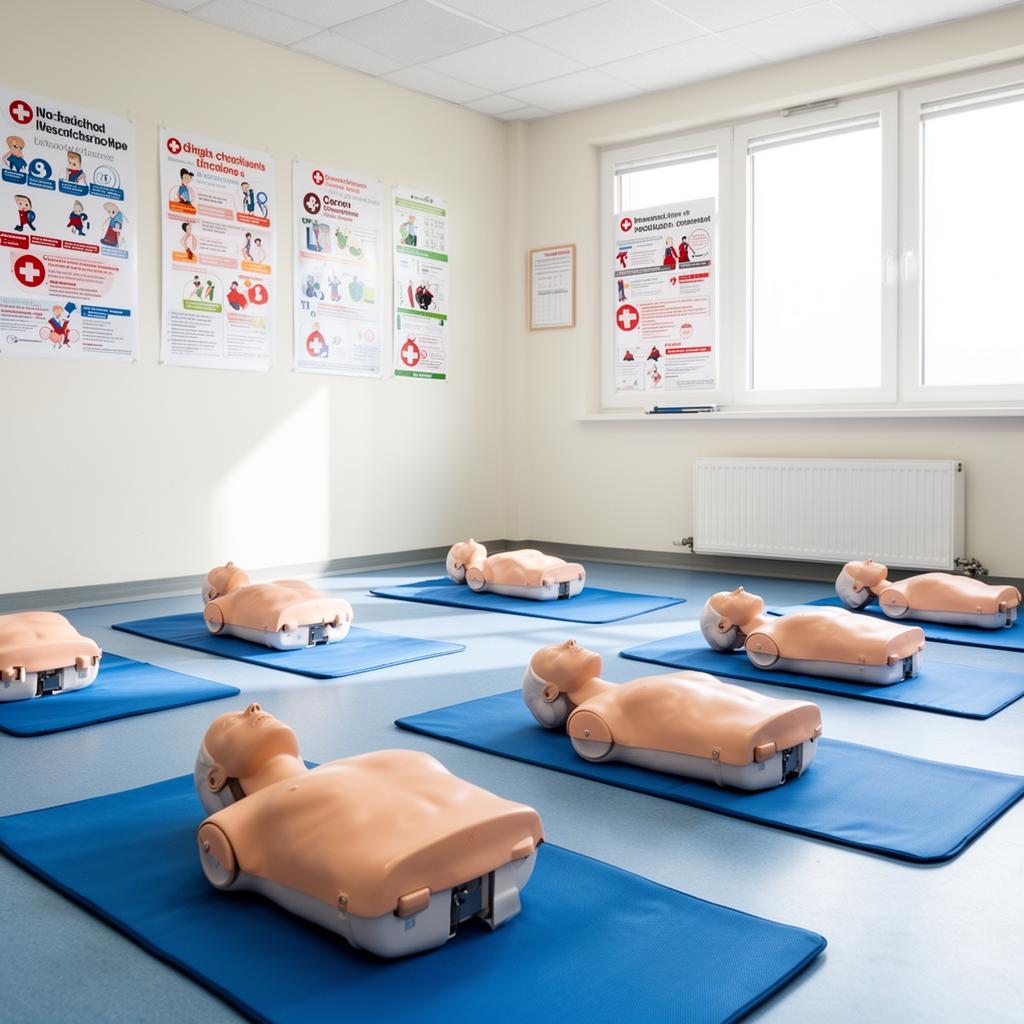
This article is a general overview, not a substitute for hands on training. Take a Basic Life Support or community CPR course with an accredited provider like the American Heart Association or Red Cross. Practicing on a mannequin under an instructor is the only way to build the muscle memory and confidence you need in a real emergency.
The takeaway
Head tilt chin lift to open the airway, pinch the nose, full mouth seal, 1 second breath, and one breath every 5 to 6 seconds. Watch for chest rise, avoid gastric inflation by keeping breaths gentle, and switch to full CPR the moment the pulse disappears. Most importantly, call for help and get certified so you never have to think about the steps in the moment.
Frequently asked questions
How is adult rescue breathing different from child or infant?
Children get one breath every 3 to 5 seconds, and infants use small puffs that match their lung size. Always train for the age group you might need to help.
Can I do rescue breathing through a mask or face shield?
Yes, and it is preferred when available. CPR pocket masks are designed exactly for this and protect both rescuer and patient.
What if the chest does not rise when I blow?
Reposition the head tilt chin lift and try again. If still no rise, check the mouth for visible obstruction and treat as choking.
Do I need to remove dentures first?
Only if they are loose enough to fall back and block the airway. Well fitting dentures actually help maintain a seal.