Quick Answer
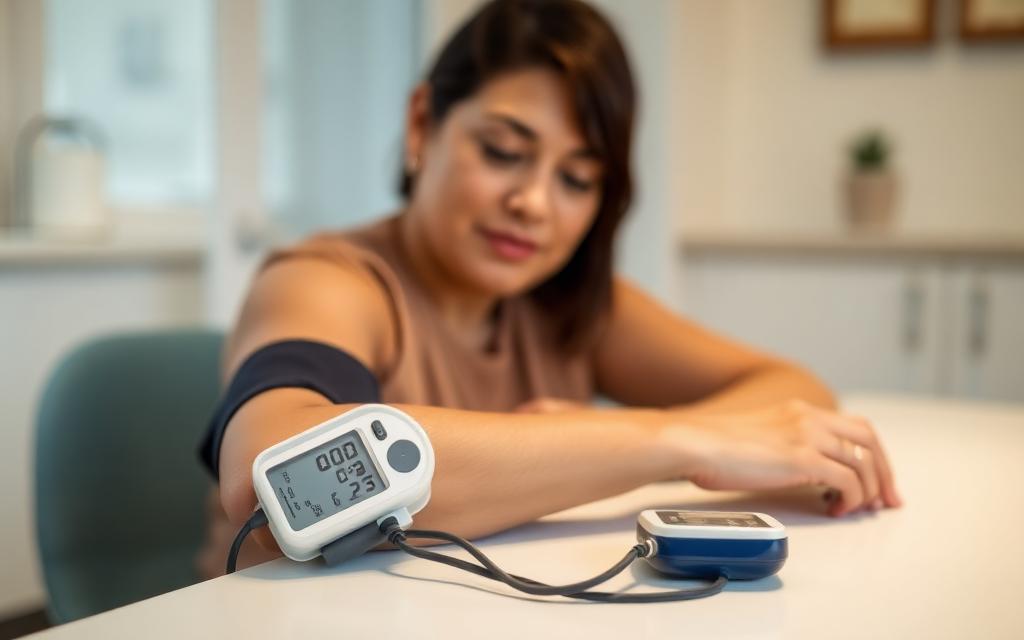
To measure blood pressure at home accurately, sit quietly for 5 minutes with your back supported, feet flat on the floor, and your bare upper arm resting at heart level. Wrap the cuff about 2 to 3 centimetres above the elbow crease, then take two readings one minute apart and record the average.
Avoid caffeine, nicotine, exercise, and heavy meals for at least 30 minutes before testing. Take readings at the same time each day, ideally morning and evening, to build a reliable trend.
A reading at or below 120 over 80 mmHg is considered normal. Stage 1 hypertension begins at 130 over 80, stage 2 at 140 over 90. A single high reading is not a diagnosis, the pattern over time is what matters.
Why home measurement is worth doing
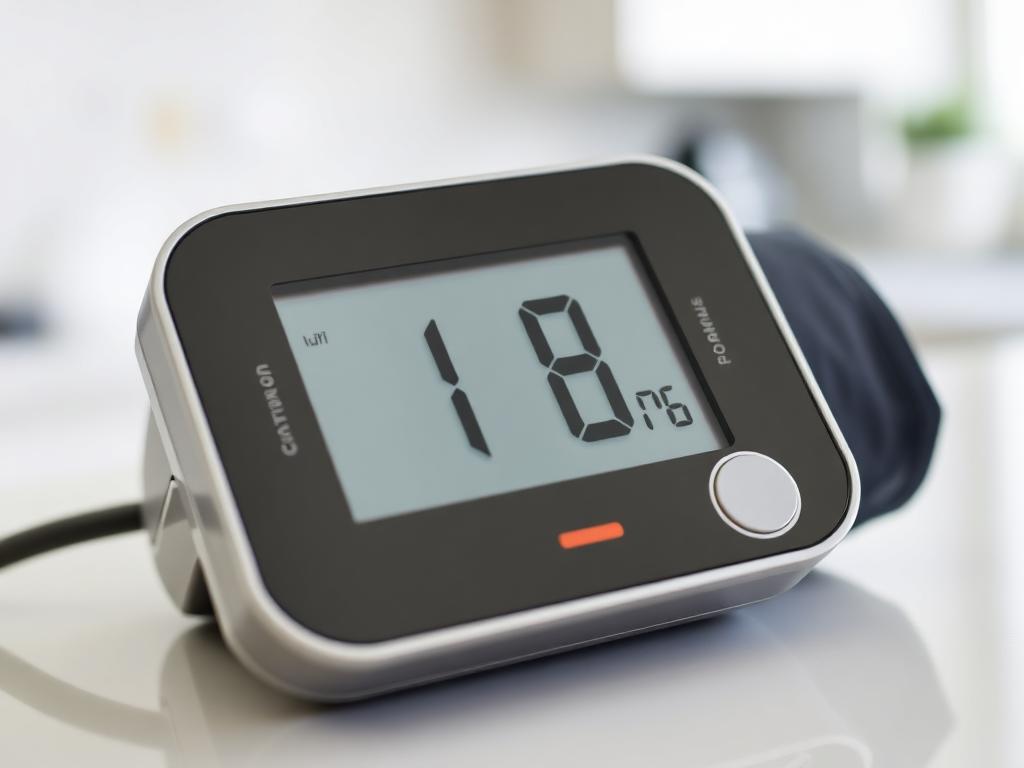
Office readings can be misleading. White coat hypertension (high readings only at the doctor's office) and masked hypertension (high readings only at home) are both common. Home measurement gives your doctor a more honest picture, particularly if you are starting medication or adjusting lifestyle.
The prep that actually changes the number
- 30 minutes before. No coffee, no tea with caffeine, no nicotine, no exercise, no large meals.
- 10 minutes before. Use the bathroom. A full bladder can add 10 to 15 mmHg to systolic.
- 5 minutes before. Sit quietly. No phone, no conversation.
Correct posture for an accurate reading
- Sit in a chair with back support. Do not perch on a stool.
- Plant both feet flat on the floor. Crossed legs add about 2 to 8 mmHg.
- Support your arm on a flat surface so the cuff sits at heart level.
- Place the cuff on bare skin, not over a sleeve.
- Centre the cuff bladder over the brachial artery on the inside of the upper arm.
- Stay silent during the reading. Talking adds 10 to 15 mmHg.
Take two readings, not one
A single reading is noisy. The standard protocol is to take two readings one minute apart and record the average. If the two readings differ by more than 10 mmHg, take a third and average all three. Most modern home monitors include an auto averaging mode that does this for you.
What the two numbers mean
| Category | Systolic (top) | And or | Diastolic (bottom) |
|---|---|---|---|
| Normal | Less than 120 mmHg | and | Less than 80 mmHg |
| Elevated | 120 to 129 mmHg | and | Less than 80 mmHg |
| Stage 1 hypertension | 130 to 139 mmHg | or | 80 to 89 mmHg |
| Stage 2 hypertension | 140 mmHg or higher | or | 90 mmHg or higher |
| Hypertensive crisis | Higher than 180 | and or | Higher than 120 |
The systolic number is the pressure in your arteries when the heart contracts. The diastolic number is the pressure when the heart relaxes between beats.
Picking the right cuff and monitor
- Use an upper arm cuff, not a wrist cuff. Wrist devices are convenient but less accurate, especially if positioning is wrong.
- Get the size right. Measure the circumference of your upper arm. A cuff that is too small adds 2 to 10 mmHg. Too large subtracts.
- Choose a validated monitor. Look for the British and Irish Hypertension Society or US validated devices listing.
How to log readings for your doctor
A week of twice daily readings is far more useful than a few sporadic numbers. Record the systolic, diastolic, pulse, time of day, and any context like caffeine or unusual stress. Most home monitor apps will sync automatically and produce a summary you can email to your GP.
When to call a doctor immediately
- Reading higher than 180 over 120 mmHg with symptoms like chest pain, shortness of breath, vision changes, or numbness.
- Sudden severe headache combined with a very high reading.
- A new and rapid rise across consecutive days.
What can throw off a reading
- Talking. Adds 10 to 15 mmHg systolic.
- Crossed legs. Adds 2 to 8 mmHg.
- Cuff over clothing. Adds up to 10 mmHg.
- Cold room. Adds 5 mmHg.
- Full bladder. Adds 10 to 15 mmHg.
- Cuff too tight or too loose. Distorts the reading in either direction.
Pulse pressure and what it means
Pulse pressure is the difference between your systolic and diastolic numbers. A normal pulse pressure is 30 to 50 mmHg. Persistently higher values can indicate arterial stiffness, while persistently lower values can indicate reduced cardiac output. Bring patterns, not individual readings, to your doctor.
Frequently asked questions
How often should I check my blood pressure at home?
If you are monitoring a known condition, twice daily for a week each month is a good baseline. Otherwise, once a week is usually enough for general awareness.
Which arm should I use?
Start by measuring both arms. Use the arm with the higher reading for ongoing monitoring.
Are wrist monitors accurate?
They can be, but only if held at exact heart level. Upper arm monitors are more forgiving and the clinical standard.
Why is my reading higher in the morning?
Blood pressure follows a natural daily rhythm and is usually higher shortly after waking. This is normal, but unusually large morning spikes are worth discussing with a doctor.