Quick Answer
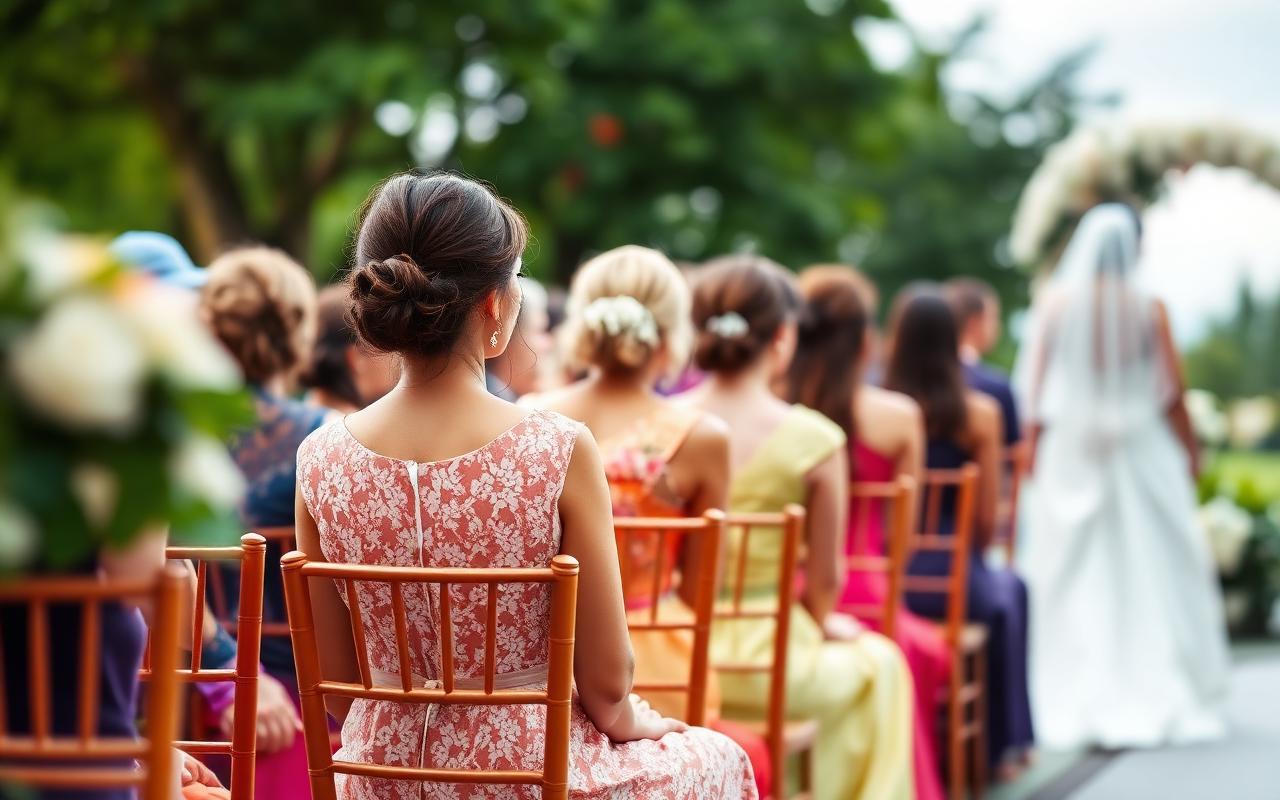
As a general rule, no. Unless the couple has said otherwise, guests should avoid white, ivory, cream and anything that photographs as white.
The exceptions are real but narrow: an all white dress code set by the couple, a cultural tradition where white is not bridal, or a print where white is clearly a background rather than the impression the outfit gives.
If you have to talk yourself into it, wear something else. There is no version of this where being right about the rule improves the day.
Where the Rule Came From
White wedding dresses became fashionable in the English speaking world after Queen Victoria married in white lace in 1840. Before that, brides simply wore their best dress in any colour.
Once white became the bridal default, the guest rule followed as a practical matter of visual clarity. The bride should be the one person in white in the room.
The rule survives because photographs are unforgiving. A guest in ivory reads as a second bride in a wide shot, whatever the intent was.
The Colours That Count as White
The problem is broader than pure white. Camera flash and daylight both flatten pale shades toward white.
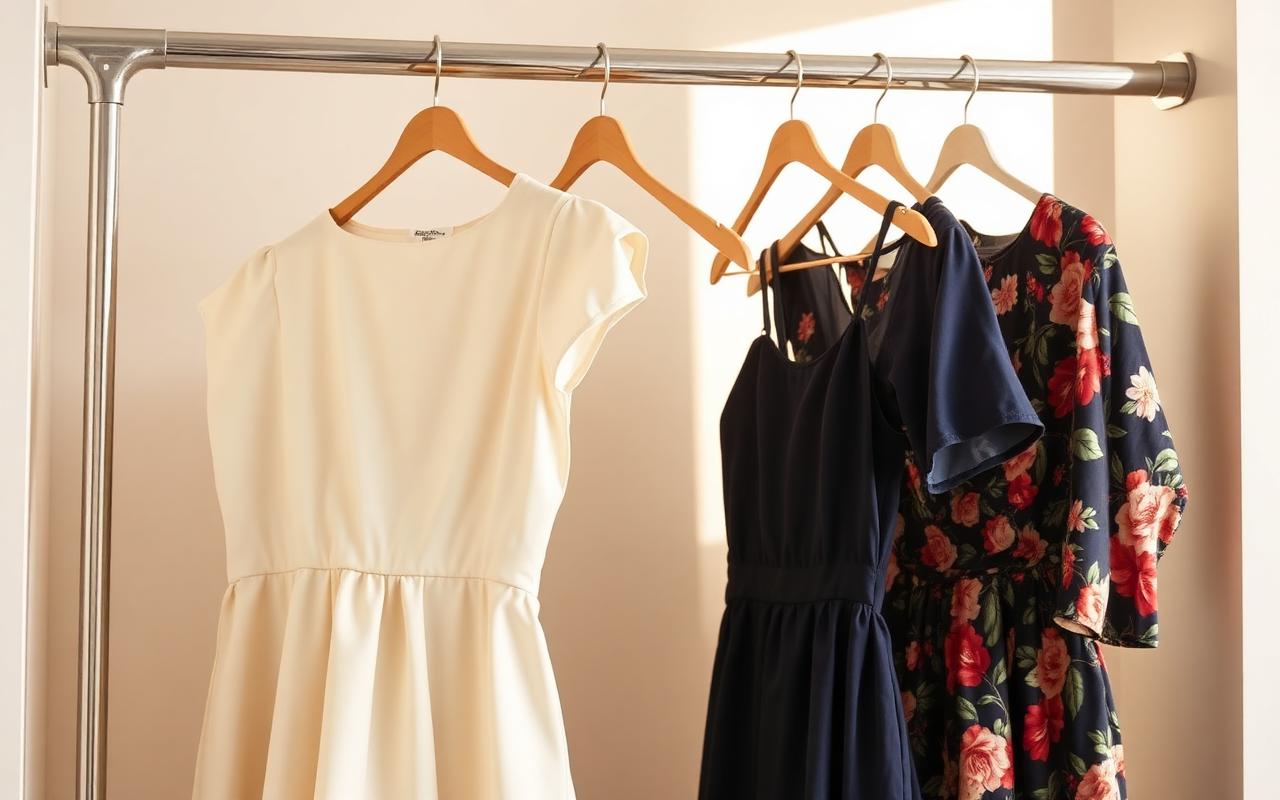
- Ivory, cream, eggshell and champagne photograph as white in almost every setting.
- Blush and palest pink read as white in flash photography, though they are usually accepted in person.
- Very pale grey, oyster and stone are borderline and depend on the light.
- White with a strong pattern is generally fine, since the eye reads the print, not the base.
The quick test: photograph the outfit with a flash on. If it looks white on your screen, it will look white in the album.
The Real Exceptions
The couple asks for it. All white dress codes exist, particularly at beach and destination weddings, and the invitation will say so plainly. Follow it.
Cultural context. In many South Asian and East Asian traditions white is the colour of mourning and the bride wears red or gold. In those settings white is the thing to avoid for a different reason entirely.
You are in the wedding party and the couple chose white bridesmaid dresses. That is their call.
A white shirt with a suit is not the same thing. Menswear has always used white shirting and nobody mistakes it for bridal.
What About Black, Red and Sequins?
Black is now completely normal at evening and city weddings, and it has been for years. Reserve it if the couple has said the day is informal and daytime.
Red is fine at most Western weddings, though some people still read it as attention seeking. If in doubt, wine or burgundy carries the same warmth with none of the debate.
Heavy sequins at a 2pm garden wedding will look out of place regardless of colour. Match the formality and the hour, not just the palette.
Avoid anything you would need to keep adjusting through a ceremony. Comfort holds up better in photos than a perfect concept.
Safe and Interesting Alternatives
- Jewel tones: emerald, sapphire, garnet and amethyst photograph beautifully in every light.
- Earth tones: terracotta, olive and rust suit autumn and outdoor weddings.
- Prints: florals and geometrics let you use pale shades without looking bridal.
- Navy: the most reliable non black neutral in the wardrobe.
If your only suitable outfit is cream, a strong coloured jacket, belt or wrap changes the read of it entirely.
If You Get It Wrong
If you arrive and realise you have misjudged it, do not spend the day apologising. Keep a jacket or wrap on for the ceremony and the group photographs, and stay out of the front of shots near the couple.
A short private word afterwards is better than a public performance of guilt. Most couples care far less than the internet suggests, especially if you handle it lightly.
If you are the couple and a guest turns up in white, the calm move is to say nothing on the day. The photographs will be fine and the alternative is a scene that everyone remembers longer than the dress.
Ask, Do Not Guess
One message to the couple, or to whoever is fielding guest questions, settles it in a minute. Send a photo of the outfit rather than describing the colour, since one person's champagne is another person's ivory.
Check the invitation and the wedding website first. Many now include a colour note precisely to avoid this question.
If the couple says they do not mind, believe them and wear it. The rule exists to protect their preference, not to override it.
Frequently Asked Questions
Can you wear a white top with a coloured skirt?
Usually yes. A white blouse with a navy or patterned skirt reads as separates, not as a dress, and nobody mistakes it for bridal.
Is blush pink acceptable at a wedding?
In person, generally yes. In flash photography it can wash out to near white, so a deeper pink is the safer choice if there will be a lot of formal photos.
Can you wear white to an evening reception if you missed the ceremony?
The same rule applies. Photographs continue all evening and the bride is still the only person meant to be in white.
What about a white floral print dress?
Fine in almost every case. A print with a white background reads as a pattern rather than as a white dress.
Does the rule apply to men?
Not to shirts, which are standard. A full white or cream suit is a different matter and worth checking first.
Fabric and Light Matter as Much as Colour
Two dresses in the same shade can read completely differently depending on the fabric. Matte crepe absorbs light and holds its colour, while satin and sequins bounce it and lift pale shades toward white.
Outdoor daytime weddings are the harshest test. Strong sun blows out pale fabrics far more than indoor lighting does, so a shade that looks safe in your hallway can look bridal in a garden at noon.
Church interiors do the opposite. Low light deepens most colours, which is why navy, forest green and burgundy photograph so well at winter ceremonies.
If you are borrowing or renting an outfit, check it in daylight before the day rather than trusting the product photograph, which will have been colour corrected.
Bottom Line
Assume white, ivory and cream are off the table unless the couple says otherwise, and use the flash photo test on anything pale.
Jewel tones, earth tones and prints give you far more range than the rule takes away, and asking one direct question removes all the doubt.