Quick Answer
Yes, Muslims can keep pets. Islamic tradition explicitly encourages the good treatment of animals, and the Prophet Muhammad (peace be upon him) was famously fond of his cat. Cats, birds, fish, rabbits and most small animals are broadly permitted in classical and modern scholarship. Dogs are the subject of more scholarly debate: the majority position historically restricted dogs to specific working roles (guarding, herding, hunting), while a growing number of contemporary scholars permit them as household companions with careful hygiene rules.
The Quran and hadith both stress that all animals must be treated with kindness, given water and food, sheltered, and never abused. Neglecting a pet is a religious wrong regardless of species.
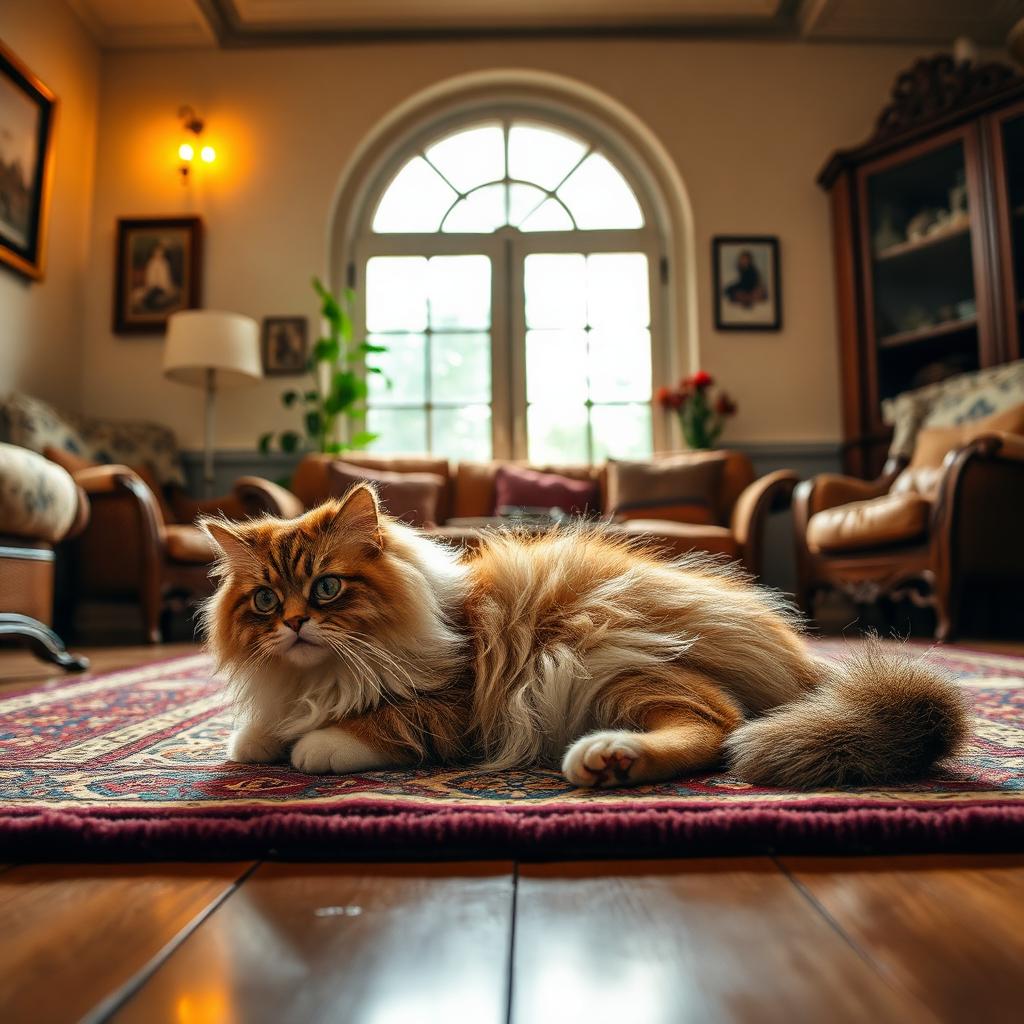
Cats: The Clearest Case
Sahih Muslim and other hadith collections record that cats are ritually pure in Islam. Cats may enter the home, drink from household water, and be kept as beloved companions. The Prophet's Companion Abu Hurayra ("the father of the kitten") was named for his affection for cats. Owning a cat is not just permitted but often praised.
Dogs: The Nuanced Case
- Working dogs: unanimously permitted across all schools of thought - guarding livestock, guarding property, hunting, search-and-rescue, service work.
- Companion dogs (majority historical view): discouraged inside the home because the angels of mercy are said (per one hadith) not to enter houses where dogs live, and because dog saliva is treated as ritually impure requiring specific washing.
- Companion dogs (many contemporary scholars): permitted with practical hygiene precautions (dogs kept outside prayer spaces, hands washed before prayer if they touched a dog).
Animal Welfare in Islam
Muslims are religiously obligated to feed, water and shelter any animal in their care. The Prophet told the story of a woman who was punished for locking up a cat until it died of thirst, and of a man forgiven all his sins because he gave water to a thirsty dog. Neglect, cruelty, hoarding, or breeding for fighting are all religiously forbidden.
Practical Guidance for a Muslim Pet Home
- Feed only halal-appropriate food (pork-based pet foods are avoided by many observant families).
- Keep prayer areas free of pet fur where possible.
- Perform the specified washing (traditionally seven washes, one with earth) if a dog's saliva touches skin or clothing before prayer, according to the majority historical view.
- Ensure any pet has full welfare: room to move, veterinary care, and companionship.
Common Household Pets and Islamic Rulings
- Cats: unanimously permitted, historically encouraged. Pure per hadith.
- Fish and small aquatic pets: permitted.
- Birds (finches, canaries, parrots): permitted, provided they are cared for well.
- Rabbits and small mammals: permitted.
- Dogs: permitted for work; contemporary scholars increasingly permit companion dogs with hygiene precautions.
- Pigs: not permitted as pets.
- Reptiles and exotics: permitted if not dangerous to humans; check local scholarly guidance for specific species.
Pet Prayers and Practices
Muslims are encouraged to name their pets appropriately, to spend on their welfare, and to remember that mercy to animals is part of faith. A famous hadith reports that a person who quenches the thirst of any living creature is rewarded for it.
What the Primary Sources Actually Say
The Quran refers to animals as communities like human communities, and several hadith deal directly with animal welfare. The two most cited are the account of a woman punished for confining a cat until it died, and the account of a man forgiven for drawing water from a well to give to a thirsty dog.
Read together, the tradition is far more concerned with how an animal is treated than with whether keeping one is allowed. Neglect is the transgression, not ownership.
Why the Rulings on Dogs Vary
The differences between schools come from how they weigh two things: the hadith about angels not entering a house with a dog, and the explicit permission for hunting, herding and guard dogs found in the Quran and hadith.
The Maliki school has historically been the most permissive on dogs, treating them as ritually pure. The Hanafi, Shafi'i and Hanbali positions treat dog saliva as impure and restrict dogs inside the home, which is where the guidance on washing before prayer comes from. Many contemporary scholars, particularly those writing for Muslims in Europe and North America, extend the working dog permission to assistance dogs and to companion dogs kept with sensible hygiene.
Practical Questions Muslim Owners Actually Ask
Can a dog live inside the home?
The majority historical view says keep dogs out of the prayer space and ideally out of the living quarters. A significant body of modern scholarship permits indoor dogs where the prayer area is kept clean and separate.
Does pet fur invalidate prayer?
Cat fur does not, since cats are treated as pure. For dogs, the concern is saliva rather than hair, and most scholars advise washing affected clothing before prayer.
Is pork based pet food acceptable?
Many scholars permit it because the prohibition on pork applies to human consumption, but a large number of observant families choose pork free formulas anyway. Both positions are defensible.
Bottom Line
Islam permits pets and treats kindness to animals as part of faith. Cats, birds, fish and small mammals are uncontroversial, while dogs sit in a more debated space: unanimously allowed for working roles, and increasingly accepted as household companions by contemporary scholars who set out hygiene guidance for prayer. Whatever the species, the religious obligation is the same, which is proper food, water, shelter, veterinary care and no cruelty.