Quick Answer
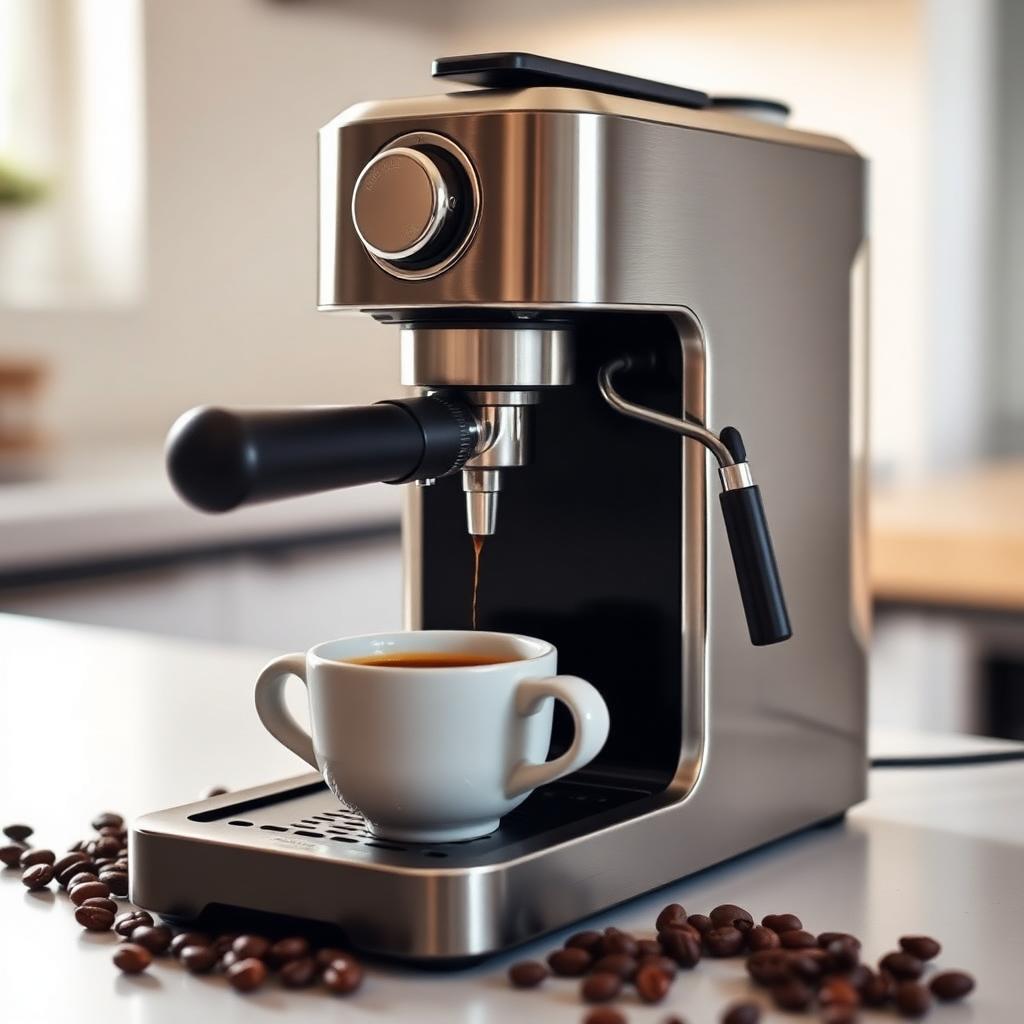
The best budget espresso machines for beginners in 2026 are the Breville Bambino (about $299 to $340) for real barista-grade features at the top of the beginner budget, the De'Longhi Stilosa EC260 (about $99 to $129) for the cheapest way to pull a genuine 15-bar shot at home, and the Casabrews 3700 (about $99 to $150) for a value crossover with a pressure gauge and a steam wand.
You do not need a $2,000 dual-boiler machine to make good espresso at home. You do need one thing every cheap pod machine cannot deliver: real 9 bars of extraction pressure through fresh ground coffee.
What actually makes an espresso machine
Espresso is defined by pressure and temperature. Around 9 bars of pressure forces water at roughly 200 F through a packed puck of finely ground coffee. That pressure emulsifies oils in the bean and produces the syrupy body and crema you cannot get from drip or a moka pot.
Most budget machines advertise 15 or even 20 bars of pump pressure. That is the pump maximum, not the extraction pressure. Any decent machine regulates down to about 9 bars at the puck. The bar rating tells you the pump has headroom, not that it dumps 20 bars into your coffee.
Pressurized versus non-pressurized baskets
This is the single most confusing thing about beginner espresso. Every machine ships with a portafilter and a filter basket. There are two kinds.
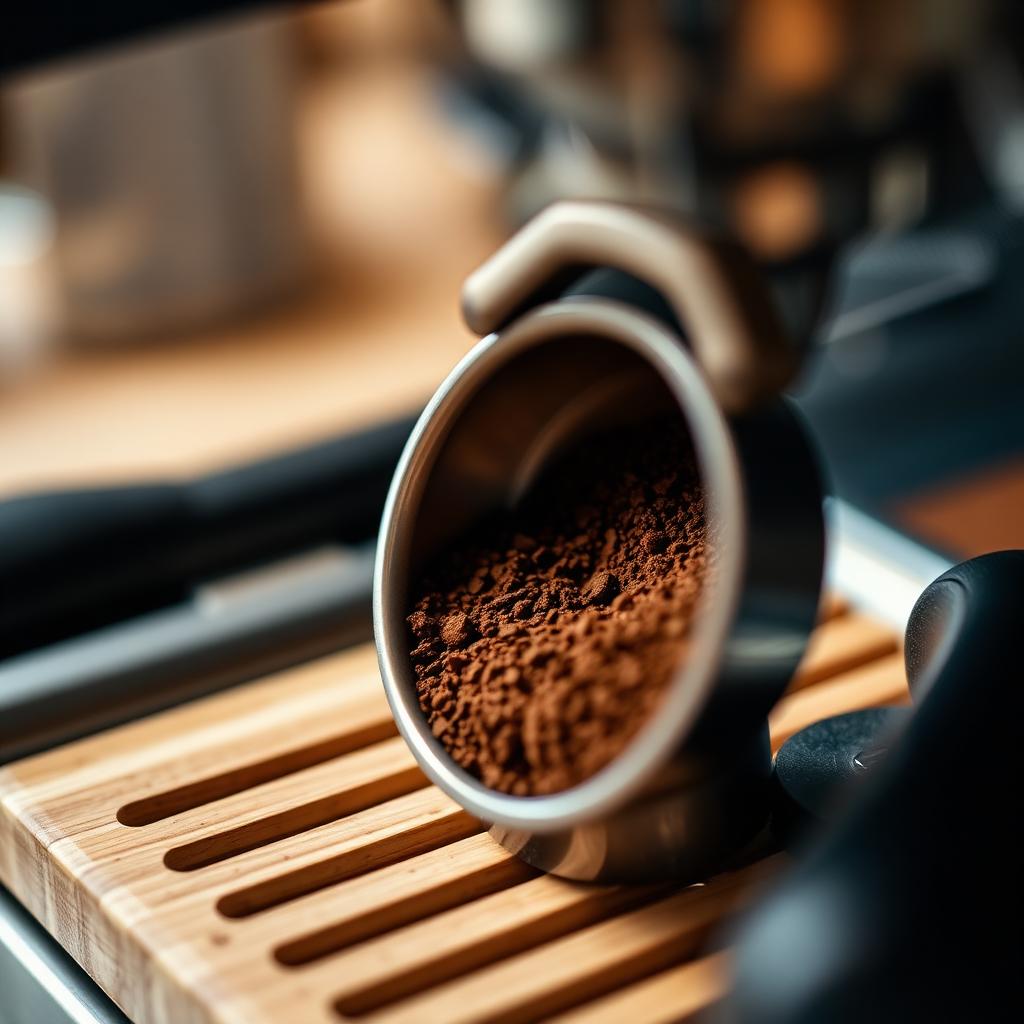
- Pressurized (dual-wall) baskets. The basket has a false bottom with one small exit hole. The machine forces the water to build pressure inside the basket regardless of your grind. You get crema and a rich shot even with grocery-store pre-ground coffee.
- Non-pressurized (single-wall) baskets. A wide-open mesh of small holes. Pressure comes from your coffee puck resisting the water. You need a good burr grinder and a bit of practice. In return you get real, deeper espresso extraction.
Beginners should start with pressurized baskets and switch to single-wall once they have a real grinder and a few weeks of practice.
Best overall: Breville Bambino
The Bambino is my top recommendation because it packs commercial features into a compact chassis. It uses a ThermoJet heating element that hits brew temperature in about three seconds. You press a button and it is ready.
The Bambino ships with a standard 54 mm portafilter and includes both dual-wall (pressurized) and single-wall (non-pressurized) baskets. That matters because you can start easy and grow into real barista technique on the same machine. It has proper PID temperature control, so the water hits the puck stable rather than swinging between shots.
The steam wand is manual and generates hot dry steam, which is what you need to whip milk into microfoam for actual latte art. Most machines at this price cheat with a pannarello that only produces bubbly frothed milk. The Bambino does not.
Best entry price: De'Longhi Stilosa EC260
The Stilosa is the cheapest legitimate espresso machine on the market. Around a hundred dollars, sometimes less on sale. It runs a real 15-bar pump, a stainless boiler, and a dual-wall pressurized portafilter that pulls a rich shot with any grocery-store coffee.
The steam wand is a mixed pannarello and manual wand. It froths milk fine for a cappuccino but will not produce true latte-art microfoam. Warm-up takes about 40 seconds. For that price, it is the fastest way to break the cafe habit.
Best value crossover: Casabrews 3700
The Casabrews 3700 is popular on Amazon for a reason. It has a 20-bar pump, a visible pressure gauge on the front, a proper steam wand, and a dual pressurized/non-pressurized basket kit. Build quality is not quite Breville, but it undercuts the Bambino by half. If your budget caps around $150, this is where I would land.
Best non-electric: Flair Classic
The Flair Classic is a manual lever press that requires no electricity. You heat water separately, dose your grinds into a single-wall portafilter, and pull the lever to generate real 9-bar pressure through the puck. It pulls a genuinely elite single shot for around $180. There is no steam wand, so you buy a separate milk frother if you want lattes. Perfect for pour-over enthusiasts who want to add espresso to the workflow without giving up counter space to a big machine.
What else you have to buy
The machine alone is only half the setup. Plan on a few extras.
- A conical burr grinder. The Baratza Encore ESP or the DF54 are the two budget picks that actually adjust fine enough for espresso. Blade grinders create dust and boulders, not real espresso grind.
- A tamper that fits. Breville includes one. Cheap machines ship with a plastic dosing spoon that doubles as a tamper poorly. A calibrated 53 mm or 58 mm tamper matched to your basket size is $20 well spent.
- A digital scale. A cheap 0.1 g scale lets you dial in a proper 1 to 2 ratio (18 g dry, 36 g out) instead of guessing.
- Filtered water. Espresso boilers scale up fast on hard water. A pitcher filter or bottled spring water extends the life of the machine.
Common beginner mistakes I made
I burned three months trying to make single-wall shots with pre-ground grocery coffee. It never worked. Once I bought a real grinder, the same beans made cafe-quality espresso the next weekend. Grinder before machine upgrade, always.
Second mistake: chasing pump bar ratings. A 20-bar pump is not better than a 15-bar pump for actual coffee. Both regulate to 9 bars at the puck.
Bottom line
The Breville Bambino is the best budget espresso machine for beginners who plan to grow into the craft. The De'Longhi Stilosa is the honest cheapest entry point. And the Casabrews 3700 sits in the middle with a pressure gauge and a real steam wand for anyone who wants something between the two.