Quick Answer
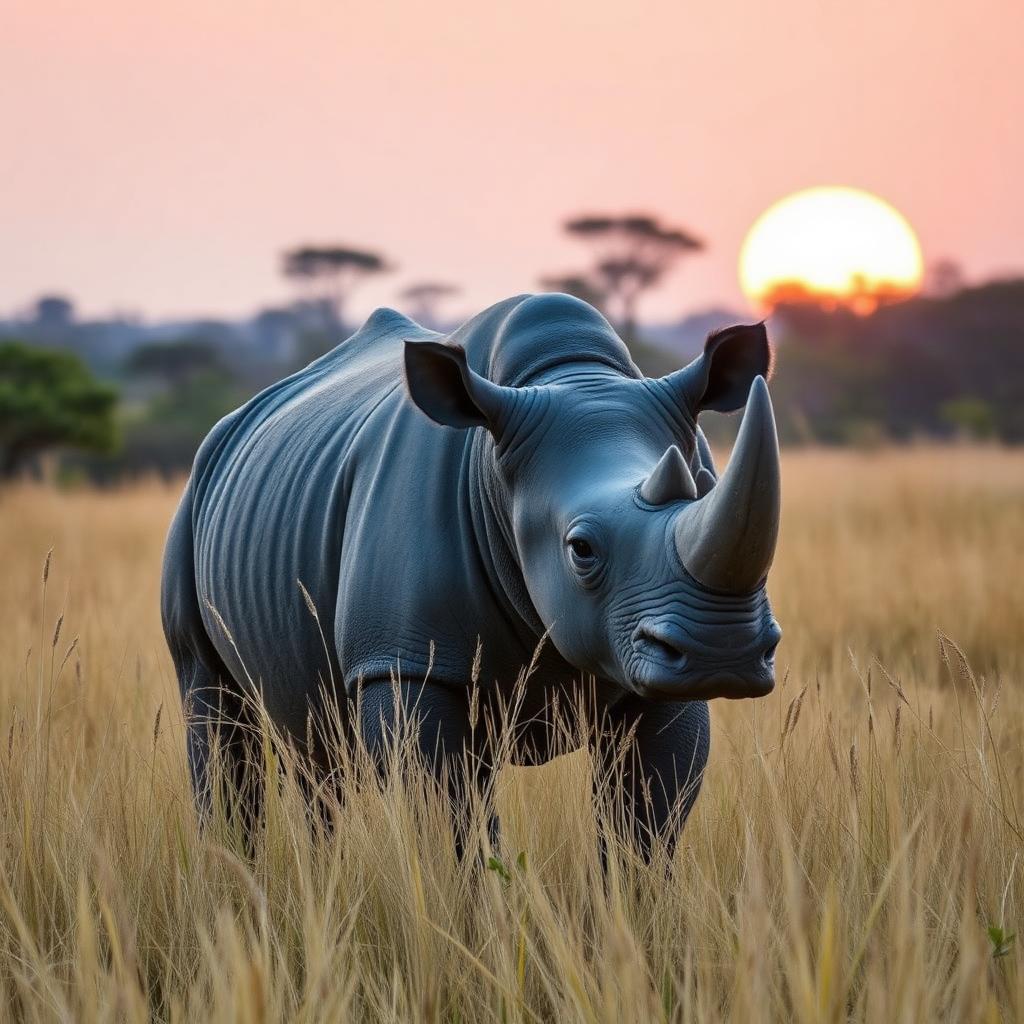
No, rhinos are not extinct. All five living rhinoceros species (white, black, greater one horned, Javan, and Sumatran) still exist in the wild as of 2026. The viral "rhinos are extinct" headlines that circulate every few months are misleading.
What is true is that the northern white rhino subspecies is functionally extinct, with only two females left alive at Ol Pejeta Conservancy in Kenya. The Javan and Sumatran species are critically endangered, each with fewer than 80 individuals. At the other end of the scale, the southern white rhino and the greater one horned rhino have both shown one of the strongest large mammal recoveries in modern conservation history.
Total wild rhino numbers across all five species sit at roughly 27,000 to 28,000 individuals worldwide, with around 80 percent of those in southern Africa.
The five rhino species and where they live
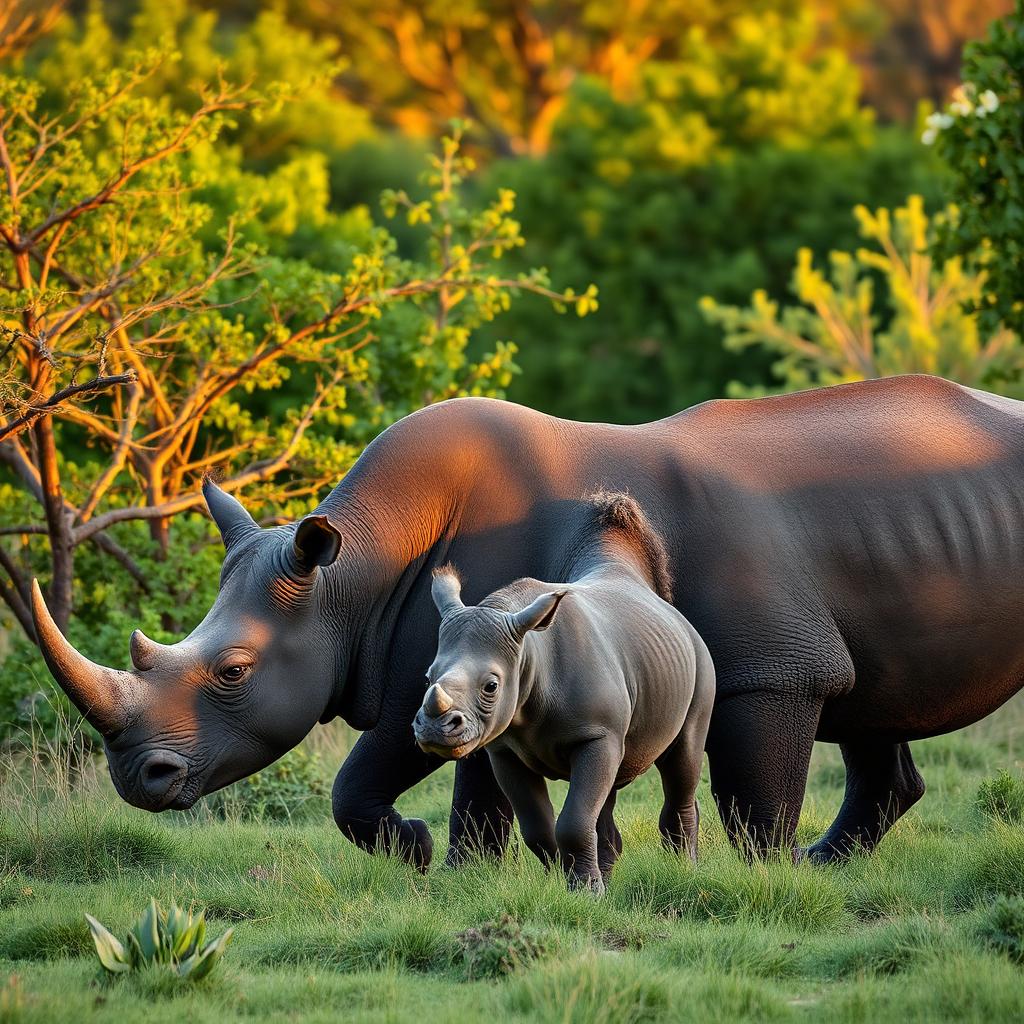
There are exactly five living rhino species. Two are African and three are Asian.
- White rhino (Ceratotherium simum). Africa. The largest rhino species. Split into the southern white rhino (recovering) and the northern white rhino (functionally extinct).
- Black rhino (Diceros bicornis). Africa. Smaller, with a hooked upper lip suited to browsing leaves.
- Greater one horned rhino (Rhinoceros unicornis). India and Nepal. Armoured plated skin and a single horn.
- Javan rhino (Rhinoceros sondaicus). Indonesia. Restricted entirely to Ujung Kulon National Park.
- Sumatran rhino (Dicerorhinus sumatrensis). Indonesia. The smallest and hairiest species, closest living relative of the extinct woolly rhinoceros.
Where the "rhinos are extinct" claim comes from
The recurring social media headline almost always traces back to one of three real but specific events: the 2018 death of Sudan, the last male northern white rhino; periodic announcements that a specific subspecies has been declared extinct (the western black rhino in 2011, for example); or local extinctions of rhinos in countries like Mozambique. None of those events made the broader rhino family extinct.
It is a useful reminder that "species," "subspecies," and "local population" are three different units in conservation, and that shorthand headlines tend to collapse them.
Species by species in 2026
White rhino
The most populous rhino on Earth. The southern white rhino has rebounded from fewer than 100 animals in the early 1900s to roughly 16,000 today, almost all in South Africa, Namibia, and a few private reserves. IUCN classifies the southern subspecies as Near Threatened, with poaching pressure still the main threat.
The northern white rhino subspecies, once spread across central Africa, is functionally extinct. Only two females remain, both at Ol Pejeta Conservancy in Kenya. BioRescue researchers are attempting in vitro fertilisation using stored sperm from deceased males and oocytes harvested from the surviving females, with embryos to be implanted in southern white rhino surrogates.
Black rhino
Classified Critically Endangered by IUCN. Numbers collapsed from roughly 65,000 in 1970 to under 2,500 by the mid 1990s due to industrial scale poaching. Coordinated anti poaching, intensively managed sanctuaries, and translocations have lifted the population to about 6,400 individuals today.
Greater one horned rhino
The biggest conservation success story of the group. Down to around 200 animals in the early 1900s, the population has rebounded to over 4,000 across India and Nepal thanks to strict protected area management, anti poaching forces, and active habitat expansion. IUCN lists the species as Vulnerable with a stable or increasing population.
Javan rhino
Critically Endangered. Confined to Ujung Kulon National Park on the western tip of Java, Indonesia. The population is estimated at fewer than 80 animals and the species faces an unusually concentrated set of risks because every individual lives in a single park.
Sumatran rhino
Critically Endangered and the most precarious of the five. Population estimates sit below 40 across fragmented sub populations in Sumatra and Indonesian Borneo. Indonesia's Sumatran Rhino Rescue programme is focused on captive breeding to stabilise the remaining genetic pool.
What is driving the threats
- Poaching for horn. Driven by black market demand for rhino horn, primarily for traditional medicine and status carvings in parts of Asia. Horn is keratin, the same material as fingernails, and has no proven medicinal value.
- Habitat loss. Agricultural conversion, palm oil expansion, and infrastructure development fragment the small ranges of the Asian species in particular.
- Small population genetics. When a species drops below a few dozen breeding adults, even ideal conditions can collapse under inbreeding pressure.
What is working
The southern white and greater one horned recoveries point to a clear template: protected areas with armed anti poaching capacity, active translocation between reserves to maintain gene flow, demand reduction campaigns in horn consumer countries, and stable political support over multi decade timeframes. Where all four are in place, populations climb. Where any one fails, they collapse.
Frequently asked questions
Are any rhino species extinct?
The species as a group are not extinct, but the western black rhino was declared extinct in 2011, and the northern white rhino subspecies is functionally extinct with only two non breeding females remaining.
How many rhinos are left in total?
Roughly 27,000 to 28,000 wild rhinos across all five species, the majority in southern Africa.
Which rhino species is closest to extinction?
The Sumatran rhino, with fewer than 40 individuals across small fragmented populations in Indonesia.
Is there hope of saving the northern white rhino?
The BioRescue programme is attempting IVF using stored sperm and harvested oocytes, with the goal of implanting embryos into southern white rhino surrogates. The science is real but the timeline is long and the outcome is uncertain.