Quick Answer
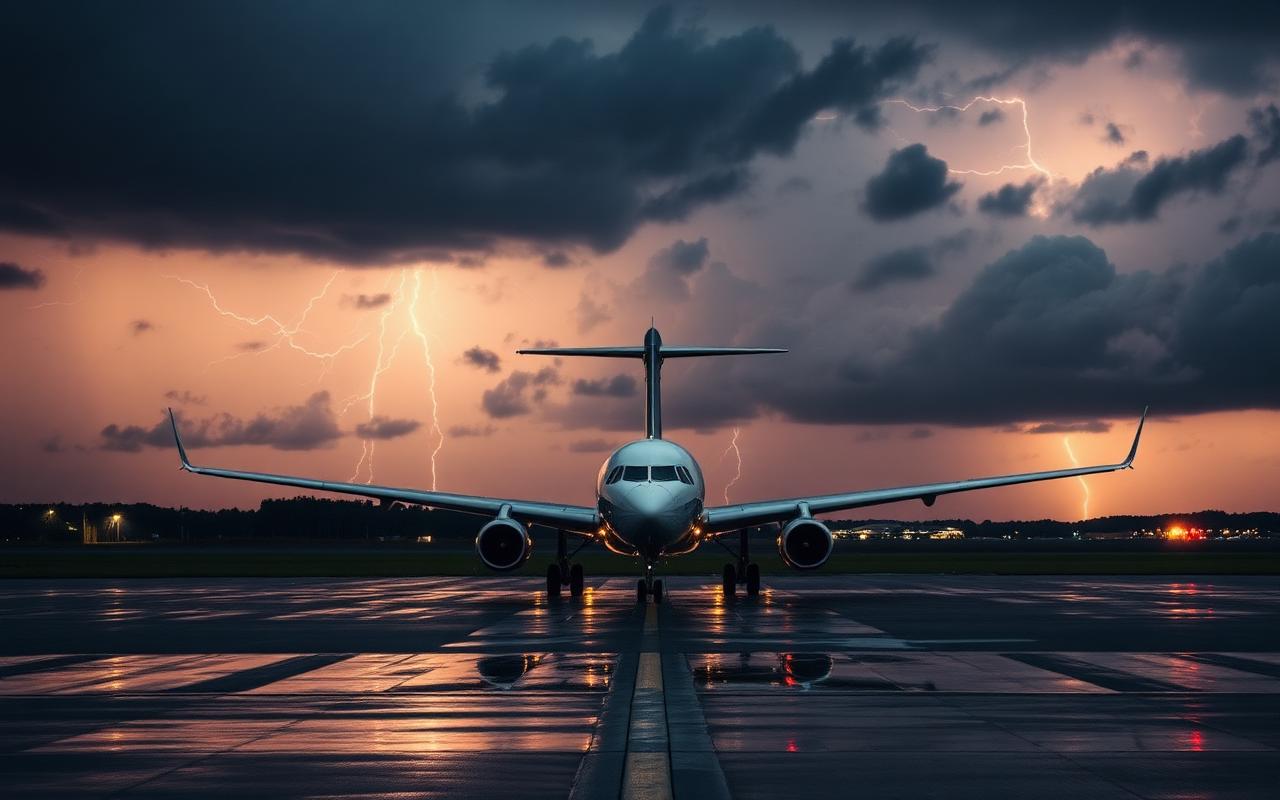
The Federal Aviation Administration ordered a ground stop at Dallas Fort Worth International Airport (DFW) and a concurrent departure delay program at Dallas Love Field (DAL) on the afternoon of May 20, 2026, because a violent line of spring thunderstorms swept across North Texas.
By early afternoon, more than 350 DFW flights had been canceled, over 250 more were running heavily delayed, and the disruption was cascading into the broader American Airlines network at Denver, Chicago O'Hare, and Atlanta. The timing is especially bad: May 20 is also Day 50 of an ongoing 2026 aviation disruption stretch, and Memorial Day weekend is just five days away.
What an FAA Ground Stop Actually Is
A ground stop is a traffic management tool the FAA uses when conditions at a destination airport make it unsafe or impractical to keep accepting more arrivals. When DFW is the destination under the order, departing aircraft bound for DFW from across the country are physically held at their origin airport, on the ground, until the FAA reopens the flow.
The goal is to stop airborne aircraft from stacking up in holding patterns above the destination, which would burn fuel, increase risk, and worsen ATC workload. Holding airplanes on the ground in Phoenix or Atlanta is far safer than holding them in the air over Texas.
At the same time, lightning within a defined radius of the airport forces ramp operations to suspend. Ground crews, baggage handlers, and fuel teams have to come indoors for safety. Gates stop turning over, taxiways fill up, and the airport stops being able to absorb arrivals even once the air is clear.
How the Disruption Cascaded
- Storms hit DFW. A severe line of thunderstorms with heavy rain, near continuous lightning, and very low visibility moved across the airport.
- FAA issues the ground stop. Inbound flights nationwide are held at their origin airports.
- Fleet dislocation. Aircraft are not where they were supposed to be by mid afternoon. Crews start hitting mandatory duty rest limits.
- Downstream cancellations. Afternoon and evening flights at DFW and at connecting hubs are canceled because the planes and crews to operate them are stuck elsewhere.
This is what makes a ground stop at a mega hub so much more disruptive than a single airport closure at a smaller field. DFW is the central hub for American Airlines, which means a Texas bottleneck immediately turns into a national bottleneck.
The Numbers by Early Afternoon
- DFW International: More than 350 outright cancellations and over 250 additional flights running with severe delays. Inbound flights held in the ground stop program faced average delays of more than 60 minutes.
- Dallas Love Field: Operating under a parallel departure delay program. About 55 cancellations and nearly 90 delayed flights, with average wait times around 30 minutes.
- National impact: Secondary delays at Denver International (DEN), Chicago O'Hare (ORD), and Atlanta Hartsfield Jackson (ATL), where American operates large connecting banks.
Why Day 50 Matters
The May 20 storms are landing on top of an already strained system. May 20 marks Day 50 of what airlines and the DOT have been describing as a sustained 2026 aviation disruption stretch, going back to early April. Repeated severe weather patterns combined with capped air traffic control capacity have left airlines running close to their schedule limits for weeks.
Practically, that means very little slack in the system. Reserve crews are thin, spare aircraft are scarce, and most carriers have been substituting planes between routes daily just to keep the schedule moving. When DFW shuts down for several hours under those conditions, the recovery is much slower than it would be at the start of a normal travel month.
The Memorial Day Risk Window
The Memorial Day holiday weekend begins Friday, May 22. The Department of Transportation projects approximately 45 million Americans will travel during the holiday window, with TSA expecting some of the highest daily passenger throughput numbers of the year.
Airlines need the next five days to reset crew rotations, reposition aircraft, and restore the schedule before that surge arrives. A second weather event between now and Friday would meaningfully raise the risk of holiday weekend disruption.
What Passengers Should Do
- Check the airline app, not the airport board. Carrier apps update faster, especially during a fluid ground stop where slots open and close.
- Rebook proactively. Most major US airlines have already waived change fees for DFW affected itineraries. If you can rebook to a flight tomorrow, do it before everyone else does.
- Know your rights. If your flight is canceled, you have a federal right to either a rebook on the next available flight or a full cash refund (not a voucher), regardless of the cause.
- Set expectations on hotels and meals. Airlines are not legally required to provide hotel or meal compensation when the cancellation is weather driven. Some will offer it as goodwill, especially for elite status passengers and stranded families, but it is not guaranteed.
- Watch the morning bank. Tomorrow's first wave of flights is the most reliable. Anything in the second half of the day is the most exposed to crew time outs and aircraft repositioning.
The Takeaway
DFW was hit with a severe spring thunderstorm system on May 20, 2026, and the FAA issued a ground stop to protect the airport and the airspace around it. The result is 350 plus cancellations at DFW, dozens more at Love Field, and cascading delays across the American Airlines network on Day 50 of an already strained 2026 disruption stretch. With Memorial Day weekend five days out, the recovery window is short, and travelers booked through DFW should treat their itineraries as active situations until they are wheels up.