Quick Answer
Qantas Project Sunrise has been pushed back because Airbus will not deliver the first A350-1000ULR until April 2027, instead of the previously expected end of 2026. Airbus blamed broader supply chain issues affecting its widebody program, and Qantas has shifted its public planning for non stop Sydney to London and Sydney to New York services accordingly.
Pilot fatigue and crew rest design remain the other big variable. The Australian and International Pilots Association (AIPA) is in active negotiation with the airline over the Fatigue Risk Management System and the working conditions that will apply to 22 hour flights.
None of this kills the project. It simply pushes the launch deeper into 2027.
What Project Sunrise actually is
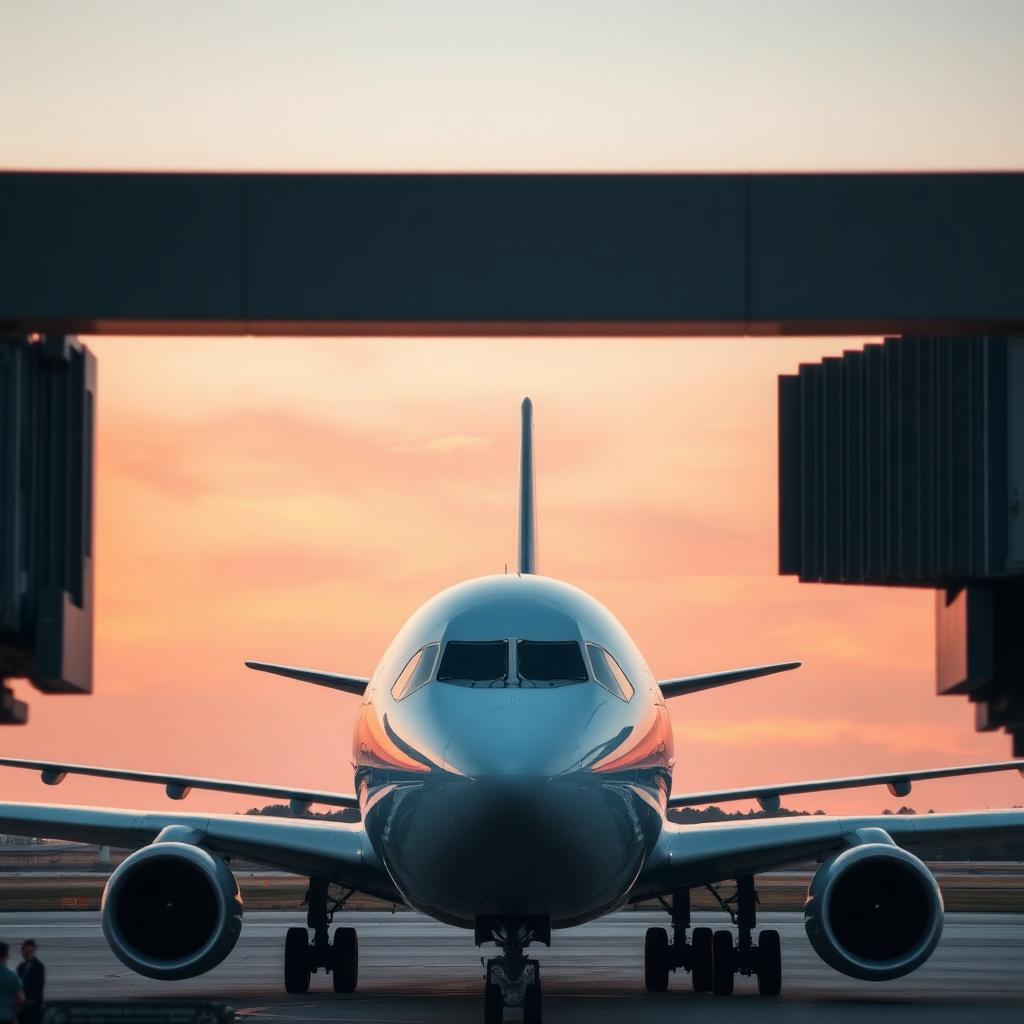
Project Sunrise is the Qantas plan to operate non stop scheduled passenger flights between Australia's east coast and London or New York. Both routes are at the limit of what a current generation widebody can do in a single hop, which is why Airbus is building a customised A350-1000ULR with an extra 20,000 litre fuel tank and weight optimised internals.
Twelve aircraft are on order. The first will be configured for ultra long haul service with bigger crew rest compartments, a dedicated stretch zone for passengers, and a cabin layout that prioritises sleep over density.
Why the A350 delivery slipped
Airbus disclosed earlier in 2026 that the first Qantas A350-1000ULR will arrive in April 2027 rather than late 2026. The blame goes to supply chain bottlenecks across the widebody program: engine deliveries, cabin interior suppliers, and certification work for the extra fuel tank all moving slower than originally promised.
This is not unique to Qantas. The whole widebody industry is running months to quarters behind on deliveries after the pandemic disrupted long lead time component manufacturing. Airbus has been transparent about it, but transparency does not get a route launched any faster.
The pilot fatigue problem
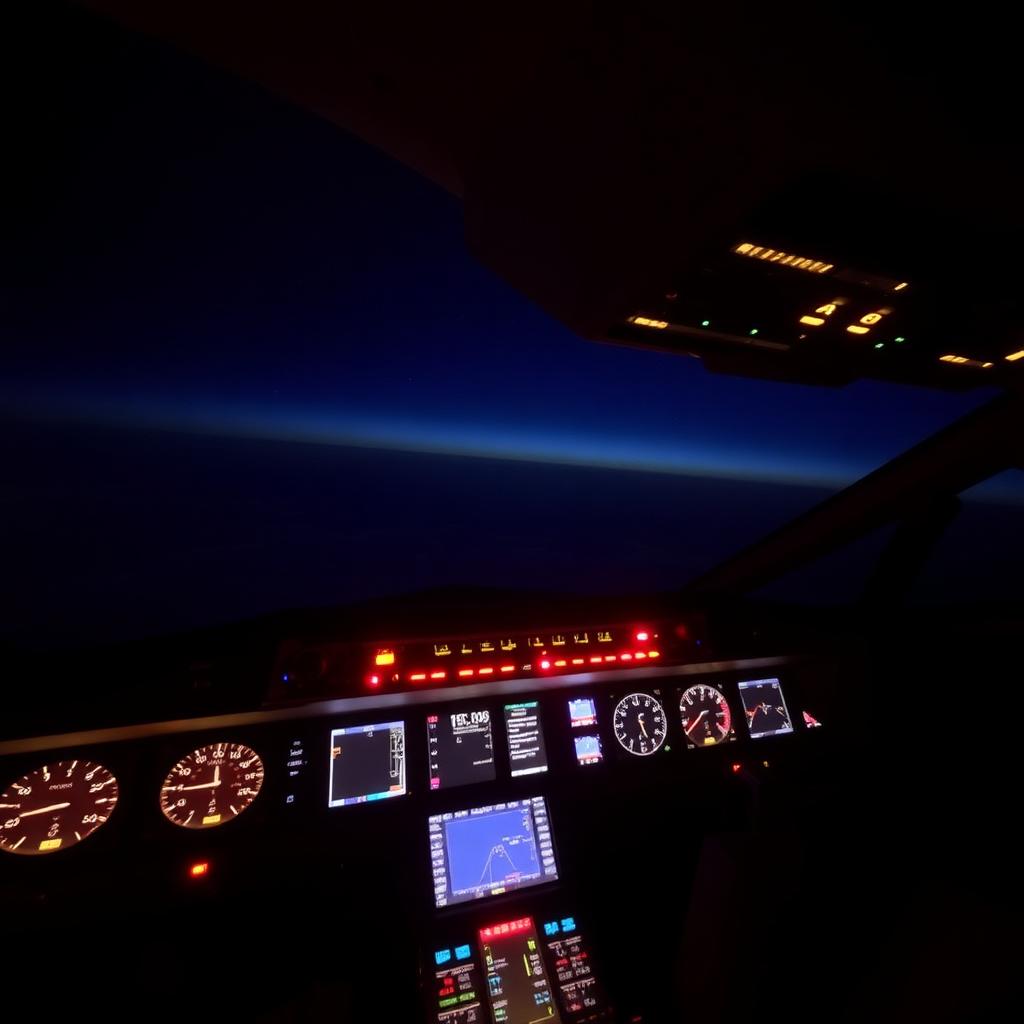
A 22 hour flight is a fundamentally different animal from a 14 hour flight. Pilots have to manage circadian disruption, deep cruise boredom, and a critical landing phase after most of a full sleep cycle has been compressed into a bunk break. AIPA has raised three specific concerns:
- Circadian disruption. Crossing up to a dozen time zones in a single duty period creates a workload no current regulatory framework was designed for.
- Fatigue tracking accuracy. The current Fatigue Risk Management System leans heavily on modelled sleep predictions. AIPA wants more real world data from actual ULR sectors before sign off.
- Crew rest quality. The new crew rest compartments are larger and quieter than current widebody rest areas, but the union wants independent acoustic and vibration testing before they accept the design as fit for purpose.
Qantas has been working with Australia's Civil Aviation Safety Authority on the regulatory framework for several years, including a series of test flights in 2019 that gathered biometric data from volunteer pilots and passengers. That dataset is still the most comprehensive in the industry.
What the working agreement looks like
Beyond fatigue, Qantas has been negotiating a Heads of Agreement with AIPA covering pay scales, scheduling rules, and career progression for the pilots who will fly Project Sunrise routes. The principle the union has pushed is that ULR sectors should pay a meaningful premium over standard long haul to reflect the higher physiological cost.
Qantas, in turn, wants flexibility in how it schedules ULR rotations to keep the small fleet utilised efficiently. The compromise will likely be a fixed ULR premium tied to a maximum number of ULR sectors per pilot per year, with a separate restorative leave bank that resets after each rotation.
The passenger experience
From the passenger side, Project Sunrise is being positioned as a premium product. Business class will dominate the front half of the cabin with full flat seats, direct aisle access, and storage built for a 22 hour trip. Premium economy will be larger than the current Qantas product, with seat pitch and recline designed for sleep rather than tolerance. Even economy will get a dedicated wellness zone for stretching and light movement.
The pricing will reflect the operating cost of a four engine equivalent payload on a two engine airframe. Expect a clear premium over the current one stop options via Singapore or Dubai. For travellers who value the time saving over the cost, the proposition is straightforward: walk on in Sydney, walk off in London, no transit shower stop in between.
What happens between now and launch
Between now and the April 2027 delivery, the main work is pilot simulator training, cabin crew procedure development, and final certification of the ultra long range fuel system. Qantas is also continuing to align with CASA on the regulatory framework for ULR operations, which is essentially a bespoke piece of aviation rulemaking being written for this one program.
Test and proving flights will run for several months after delivery before paying passengers board. That is normal for any new aircraft type, and especially normal for a route profile no commercial airline has ever scheduled before.
The takeaway
Project Sunrise is delayed, not cancelled. The slip is driven by Airbus supply chain issues and by serious, legitimate pilot fatigue questions that need to be resolved before the route can open safely. Once the first A350-1000ULR arrives in April 2027 and the regulatory and union frameworks are signed off, Qantas should be able to launch non stop Sydney to London and Sydney to New York services later that year.
Frequently asked questions
When will Project Sunrise actually start flying?
Qantas is targeting service launch in the second half of 2027 following the April 2027 first aircraft delivery and proving flights.
How long is the Sydney to London flight?
Around 20 to 22 hours depending on winds. The Sydney to New York flight is roughly 19 to 20 hours.
Will the flights be operated by two or three pilots?
Four pilots on board, working in pairs with structured rest periods in dedicated crew rest compartments.
Is non stop really faster than connecting via Singapore?
Yes, typically by three to four hours when you factor in the transit time and second boarding.