Quick Answer
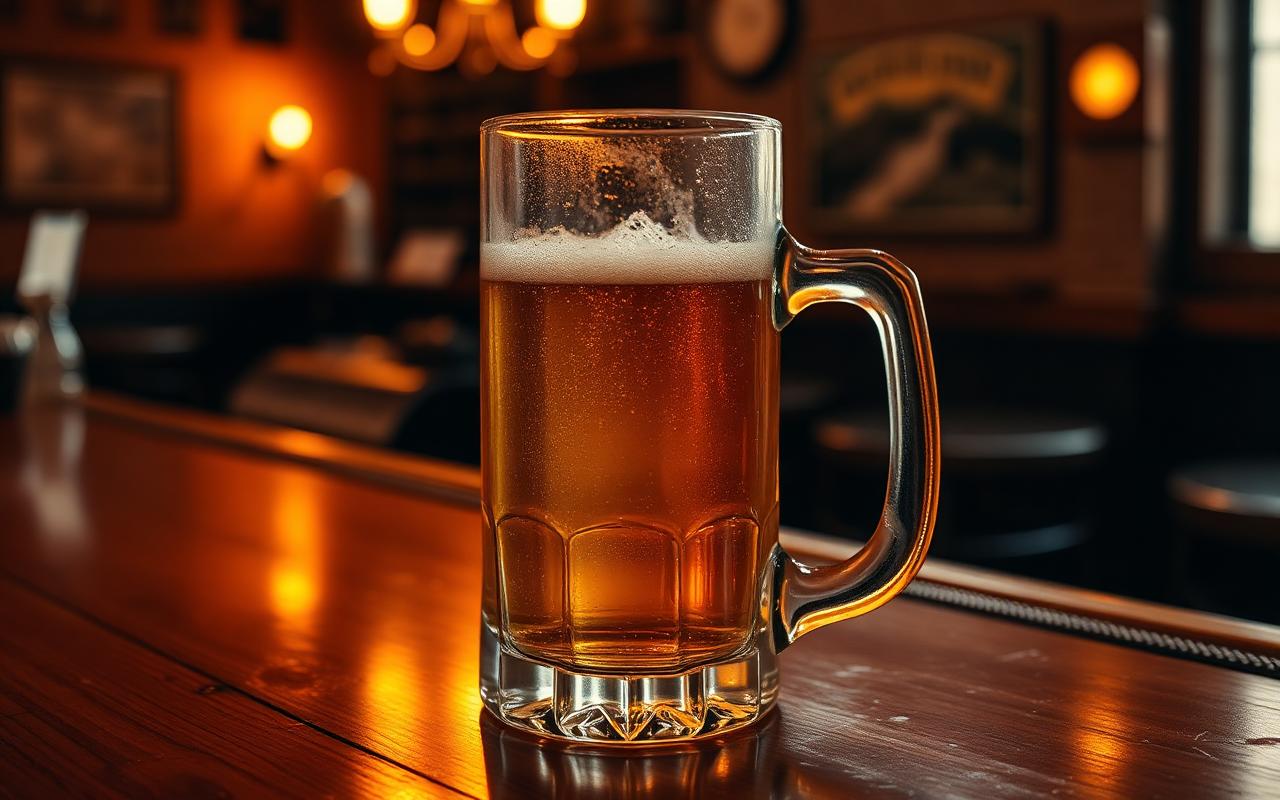
Pabst Brewing Company is permanently discontinuing Schlitz, the historic American lager once marketed as "the beer that made Milwaukee famous." The decision ends a near two decade revival that Pabst launched in 2008 to bring back the classic 1960s recipe.
The trigger is not taste or demand. It is unsustainable cost pressure across the supply chain. Warehousing, cross docking, and long haul freight rates have all climbed sharply through 2026, and a virtual brewer that relies on contract production simply cannot run a budget tier regional lager at those rates.
A final commemorative batch will be brewed by Wisconsin Brewing Company in Verona, Wisconsin. Pre orders open May 23, 2026, with the last cans hitting shelves on June 27, 2026.
The Real Reason: Logistics, Not Demand
Pabst Brewing Company is headquartered in San Antonio, Texas, and operates on a virtual brewer model. That means it owns brands and recipes but contracts the actual production out to a network of third party breweries. The structure keeps overhead low, but it also leaves the company exposed to whatever the logistics market is doing in any given quarter.
In 2026, that exposure is severe. Warehousing rates are still elevated after the post pandemic build out, cross docking fees keep climbing, and long haul trucking remains expensive. For a premium craft beer, those costs get absorbed into a healthy margin. For a budget lager that competes on shelf price with Pabst Blue Ribbon, Hamm's, and Old Milwaukee, the math stops working.
That is the situation Schlitz found itself in. It had loyal drinkers, especially in the Midwest, but not the volume needed to spread fixed logistics costs across enough cases to stay profitable.
From World's Largest Brewer to Cautionary Tale
The Schlitz story is a textbook case of how fast a dominant brand can collapse.
- 1849. Founded as a small Milwaukee tavern brewery by August Krug, later led by Joseph Schlitz.
- 1871. Famously shipped free beer to Chicago after the Great Fire, building durable brand loyalty in a giant new market.
- 1902. Became the largest brewery in the world, producing over one million barrels annually and locked in a multi decade fight with Anheuser Busch.
- 1970s. Executives shortened fermentation cycles and swapped premium ingredients for corn syrup and stabilizing chemicals to cut costs. Quality collapsed, beer started spoiling on shelves, and an aggressive ad campaign made things worse.
- 1981. Severe labor disputes forced the closure of the flagship Milwaukee brewery for good.
- 1999. Pabst Brewing Company bought the Schlitz trademarks and IP after the brand passed through Stroh Brewery Company.
- 2008. Pabst relaunched Schlitz using carefully reconstructed 1960s malt and hops specifications, earning praise from traditional lager drinkers.
- 2026. Officially discontinued because of logistics economics.
The 2008 relaunch worked on the product side. It restored the older, fuller bodied profile that long time Schlitz drinkers remembered. What it could not overcome was the structural shift in retail. Shelf space is increasingly dominated by major macro brands, craft favorites, and seltzers, and a nostalgic legacy lager needs scale to defend its slot.
The Final Run from Wisconsin Brewing Company
Pabst is giving the brand a proper sendoff in its home state. The final batch is being brewed by Wisconsin Brewing Company in Verona, with veteran brewmaster Kirby Nelson leading the project.
The final recipe sticks to the archived mid century specifications:
- High grade malted barley.
- Premium yellow flaked corn for the classic crisp finish.
- A blend of authentic German noble hops and Washington State varieties.
Online pre orders open on Friday, May 23, 2026, through Wisconsin Brewing Company's direct channel. The absolute final commercial cans of Schlitz are scheduled to hit select shelves on June 27, 2026, paired with a celebratory event at the Verona brewery.
Is the Brand Gone Forever?
Officially, yes. Pabst confirmed there are no prospective buyers or independent groups in negotiation for the Schlitz trademark right now. Zac Nadile, head of brand strategy at Pabst, did leave the door open, saying the brand could potentially re emerge if market conditions shift, but there is no announced plan.
Realistically, an IP rights deal is always possible later. Legacy American beer brands have been bought, retired, revived, and re retired more than once. What is clear is that under the current Pabst portfolio, Schlitz is being shelved.
What This Means for Drinkers and Collectors
If you are a Schlitz loyalist, the next few weeks are the moment. Pre order through Wisconsin Brewing Company on May 23, watch for the final retail drop on June 27, and expect cans to disappear from secondary markets quickly. Final batch cans of historic American brands tend to spike in collector value once distribution ends.
If you are a casual drinker, the brand's closest stylistic neighbors in the Pabst stable are Pabst Blue Ribbon and Old Milwaukee, both built around the same classic adjunct lager profile, just produced at the kind of national volume that absorbs logistics costs without breaking.
The Takeaway
Schlitz is being discontinued because the freight, warehousing, and contract brewing economics no longer support a regional budget lager at small scale. Pabst is closing the chapter with a commemorative final run from Wisconsin Brewing Company, with pre orders on May 23 and the last cans on shelves June 27, 2026. Once that batch sells through, the beer that made Milwaukee famous is officially off the market.