Quick Answer
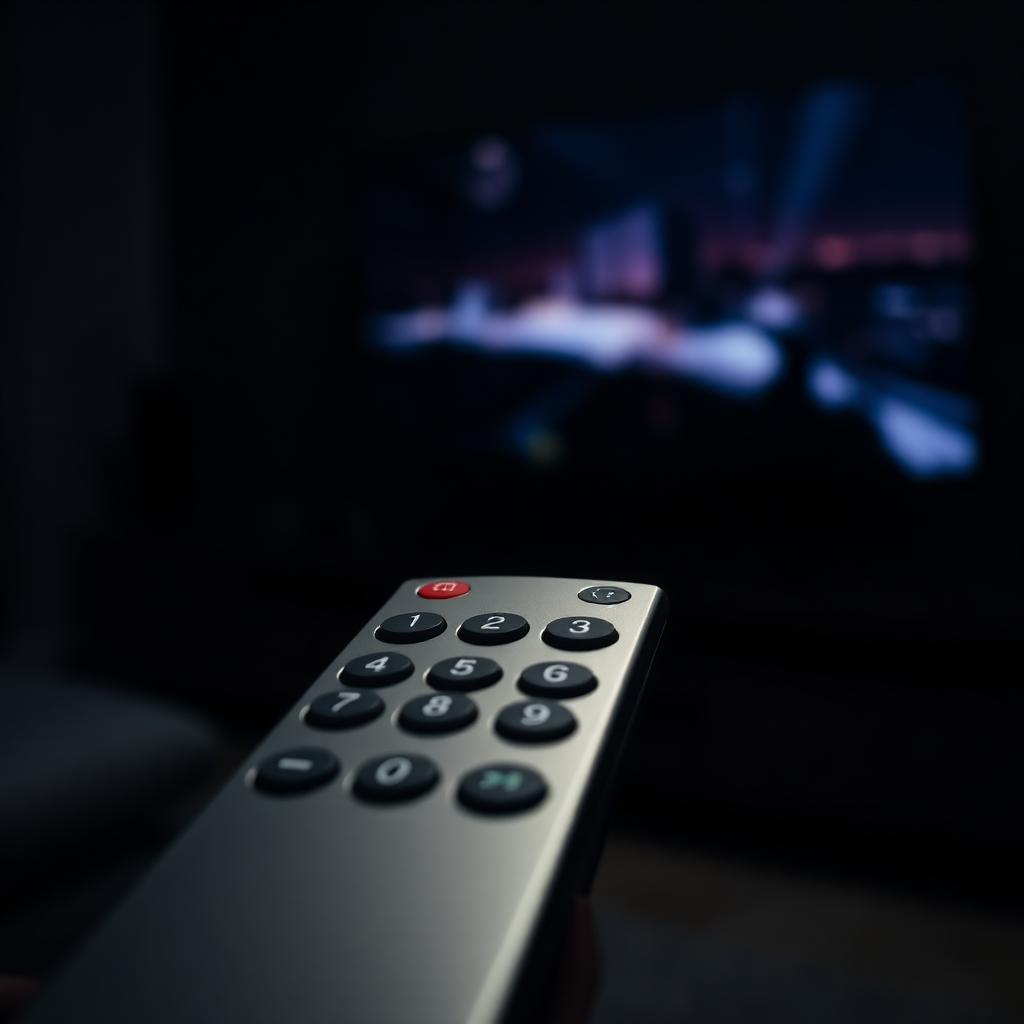
A blinking red light on a Samsung TV remote (Smart Control or SolarCell) means the remote has enough power to send a signal but cannot complete the Bluetooth pairing handshake with the TV.
The fix in three steps: drain residual voltage (pull batteries, hold the power button 20 seconds, mash every key), replace with fresh alkaline AAA cells or charge the SolarCell over USB-C, then re-pair by holding Return and Play/Pause together for 5 seconds within 3 feet of the TV.
If the red blink continues, the cause is almost always interference from a nearby 2.4 GHz router or a blocked IR/Bluetooth receiver on the lower right of the TV.
What the status LED is telling you
Modern Samsung remotes use both infrared (IR) for the power toggle and Bluetooth Low Energy (BLE) for everything else: menus, voice, Tizen apps, and the Smart Hub. The single red LED at the top reports the radio state.
- Solid red: The remote is transmitting a single IR command, usually the power button.
- Blinking red: The remote is broadcasting a BLE pairing beacon but is timing out or receiving a handshake error from the TV's wireless module.
- No light at all: Dead batteries, a fully drained SolarCell, or a failed LED driver inside the remote.
The pattern matters because it tells you whether the radio chip is alive (blinking) or completely silent (dead). A blinking red light is good news: the remote works, the link does not.
Step 1: Hard hardware reset (drain residual voltage)
Before any pairing attempts, clear any static charge held in the remote's capacitors. This is the equivalent of a full reboot for the remote's microcontroller.
- Open the rear battery compartment and remove both AAA batteries. (SolarCell owners can skip the removal step because the cell is sealed.)
- Press and hold the Power button for at least 20 seconds.
- While still holding power, tap every other button on the face once or twice. This discharges leftover voltage and frees any keys that may be physically stuck under the rubber dome.
- Reinsert fresh batteries with correct polarity. For SolarCell models, plug the remote into a 5V USB-C wall charger for 10 minutes to set a base voltage floor.
Step 2: Deep Bluetooth re-pairing protocol
With the remote drained and powered, it needs a fresh cryptographic pairing key with the TV's BLE receiver.
+-----------------------------------------------+
|         SAMSUNG BLE PAIRING COMBOS            |
+-----------------------------------------------+
|  Primary:     RETURN + PLAY/PAUSE             |
|  Alternative: BACK + GUIDE                    |
|  Hold:        3 to 5 seconds                  |
+-----------------------------------------------+- Turn the TV on using the physical button under the center bezel or on the back right.
- Stand 1 to 3 feet away. BLE pairing requires a strong, close proximity signal to avoid ambient interference.
- Point the remote at the lower bezel of the TV where the receiver lives.
- Press and hold Return/Back and Play/Pause together for at least 5 seconds.
- Watch the screen. You should see "Connecting to the Samsung Smart Remote..." followed by "Pairing Complete."
If nothing appears on screen, try the alternative combo (Back plus Guide) on older Tizen models. Some 2018 to 2020 QLED sets use this older pairing key.
Step 3: Power, batteries, and SolarCell maintenance
If the red light still blinks after a pairing attempt, the batteries are likely suffering from a surface charge drop: just enough voltage to power the tiny LED but not enough current to drive the BLE transmitter.
- Never use zinc carbon batteries. The remote draws short, sharp current bursts. Use name brand alkaline or lithium AAA.
- SolarCell owners: flip the remote upside down under a bright lamp or daylight for an hour. If the cell still does not hold a charge, plug it into a 5V USB-C charger directly for 60 minutes.
- Check the metal battery contacts for green corrosion. Clean with a cotton swab dampened in white vinegar or isopropyl alcohol if needed.
Step 4: Isolating external interference
If the remote works intermittently or only some buttons register, the room is fighting the radio link.
- 2.4 GHz clash: BLE shares the 2.4 GHz band with Wi-Fi, baby monitors, and wireless headphones. Move your router at least 4 to 5 feet away from the TV chassis.
- Sensor blockage: Soundbars, decorative items, or LED light strips that sit in front of the lower right bezel can block the receiver. Clear the line of sight.
- USB 3.0 ports: Unshielded USB 3.0 hard drives plugged into the TV are notorious for radiating noise that desensitizes 2.4 GHz receivers within 6 feet.
Step 5: When to replace the remote
If the LED blinks red even with fresh batteries, the remote sits 18 inches from the TV, and no 2.4 GHz interferer is nearby, the BLE transmitter chip itself has likely failed. Samsung sells replacement Smart Remotes for around $30 to $50 (model TM2180E or TM2280E). Genuine replacements re-pair with the original protocol on the first try.
Frequently asked questions
Will a generic third party Samsung remote work as well as the original?
For basic IR power, volume, and channel control, yes. For full Bluetooth navigation, voice, and Smart Hub integration, no. Genuine Samsung remotes carry signed firmware that pairs with Tizen using a unique key exchange. Off brand "fits all Samsung" remotes default to IR mode only and will not register a cursor or voice command.
How long should a SolarCell remote last on a single charge?
From a full charge, a SolarCell remote runs roughly 2 to 4 weeks of typical use with no ambient light input at all. Placing it face down on a coffee table under normal room lighting keeps it topped up indefinitely. A USB-C top up of 30 minutes brings a fully drained cell back to about 80 percent.
The remote works in the same room but not across the hall. Why?
BLE range is rated at roughly 30 feet line of sight indoors. Drywall and Wi-Fi congestion easily cut that in half. Move closer to the TV, remove obstacles, and shift any 2.4 GHz Wi-Fi router off the same shelf as the TV.
Is it safe to use rechargeable AAAs in a Smart Remote?
Standard NiMH rechargeables run at 1.2 V instead of 1.5 V. The remote will boot but the BLE radio may misbehave under load. Stick with alkaline or lithium primary cells.
The takeaway
A blinking red Samsung remote is a Bluetooth pairing failure, not a dead remote. Drain the capacitors with a 20 second power button hold, replace batteries with fresh alkaline cells, then re-pair with Return plus Play/Pause for 5 seconds within 3 feet of the TV. If it still fails, move the router and clear the bezel. A genuine Samsung replacement remote is the final fix for a truly dead BLE chip.