Quick Answer
Most Ring camera delay is not a hardware fault. It is the combined latency of weak Wi Fi, a phone that has put the Ring app to sleep, and the unavoidable two to four second cloud processing loop that every Ring device runs through.
Fixing the lag is almost always a software and placement job. Check your RSSI signal, switch to the 2.4 GHz band, disable battery optimization on the Ring app, and widen your motion zones.
If your RSSI is worse than -60, no software setting will rescue you. The radio link is the real bottleneck.
How a Ring notification actually travels
When motion happens in front of a Ring camera, the camera does not store or process anything locally. It wakes from low power mode, records a clip, and pushes that clip to Amazon Web Services in Virginia or Oregon. AWS encodes the video, generates a thumbnail, runs person detection if you have a Ring Protect plan, and only then pushes a notification through Apple Push Notification Service or Firebase Cloud Messaging to your phone.
That round trip is two to four seconds in perfect conditions. Any weak link adds seconds.
Fix 1: check your Wi Fi RSSI
RSSI, the Received Signal Strength Indicator, is the most important number in your Ring app and most users never look at it.
- Open the Ring app.
- Tap your camera, then tap Device Health.
- Read the Signal Strength row.
The scale is inverted. Closer to zero is better. Anything stronger than -50 is excellent. -50 to -60 is good. -60 to -70 is workable. Worse than -70 is the cause of your problem and no other fix will help until you improve it.
The cheapest fixes are moving your router two rooms closer, adding a mesh node within 20 feet of the camera, or repositioning the camera so it has line of sight to the router through fewer walls.
Fix 2: switch to the 2.4 GHz band
5 GHz Wi Fi is faster on paper but the signal collapses through exterior brick, stucco, and double pane glass. Ring cameras only need a few megabits per second of headroom, so the speed difference does not matter. Range matters.
Inside your router admin page or app, give your 2.4 GHz network its own SSID, then connect the camera to that network. On most modern Eero, Google Nest Wifi, and TP Link Deco systems you can do this without splitting networks because the mesh chooses 2.4 GHz automatically at long range.
Fix 3: disable battery optimization on the Ring app
This is the single biggest fix on Android and most users skip it. Modern phones aggressively pause background apps to save battery. When the Ring servers push a notification, your phone often delays delivering it by 30 to 90 seconds because the Ring app has been put into deep sleep.
On Android, go to Settings, Apps, Ring, Battery, and select Unrestricted. On Samsung devices also check Device Care, Battery, Background Usage Limits, and remove Ring from the Sleeping Apps list.
On iPhone, go to Settings, Ring, and confirm Background App Refresh and Notifications are both on. iOS is generally less aggressive but the toggle still matters.
Fix 4: tune motion sensitivity and zones
If your camera only triggers when a person is already on the porch, the recording starts too late by design. Open the Motion Settings panel for the camera and check two things.
Motion sensitivity should sit at 75 percent or higher for most porches. If it triggers too often, narrow the zones instead of lowering the sensitivity.
Motion zones should extend out toward the sidewalk or driveway approach, not just the porch surface. Drawing a wider zone gives the camera a one or two second head start, which is the difference between catching a face and catching a back.
When the delay is the device itself
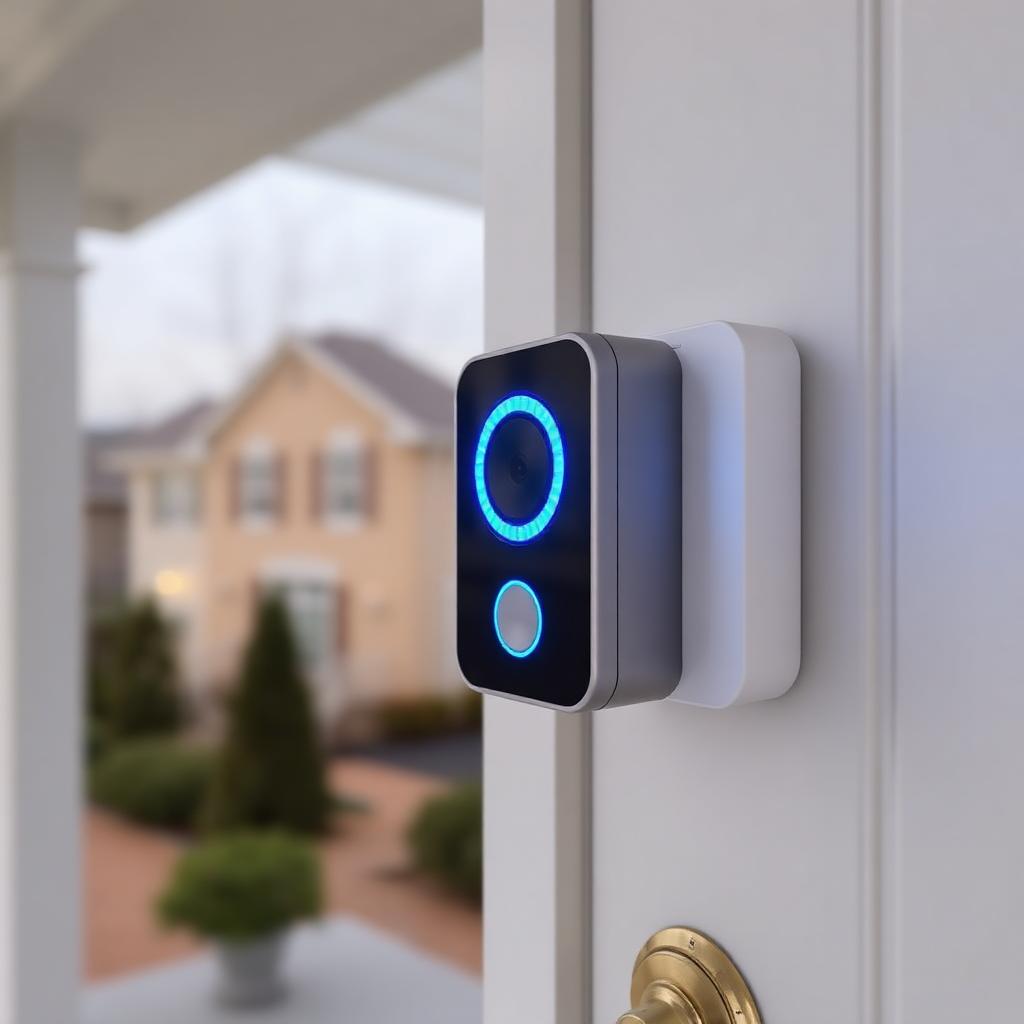
If you have done all four fixes and recordings still start three or four seconds late, you have hit the floor of the cloud loop. The only ways below that are the Ring Battery Doorbell Plus and Doorbell Pro, which support a feature called Pre Roll that captures the four seconds before the trigger using a continuous low resolution buffer.
Pre Roll requires a Ring Protect subscription and a hardwired or fast charging setup, but it is the only way to effectively eliminate the perceived delay.
Pro tips from the field
A few smaller adjustments compound the four main fixes.
- Reboot the camera once a month. The longer a battery doorbell runs, the more its wireless stack drifts. A quick reboot from the Device Health page restores peak performance.
- Keep the firmware current. Ring rolls out radio improvements quietly and the gains can be substantial. Updates install automatically only when the camera is plugged in for several hours.
- Avoid mesh node hops. A camera that connects two mesh hops away from the main router often performs worse than one connected to the main router directly. Move the node, not the camera.
- Replace coin batteries in any Ring contact sensors nearby. A dying CR123A on a paired sensor can cause the entire mesh to misbehave in odd ways.
These tweaks rarely make headlines but they account for the difference between a system that feels instant and one that always seems a second behind.
The takeaway
Ring camera lag is almost always Wi Fi range, phone battery rules, or motion zones drawn too narrow. Work the four fixes in order and most users see notifications arrive within two seconds of a person stepping into frame.
Frequently Asked Questions
Why does my Ring camera record after the person has already left?
Motion zones are drawn too narrow or sensitivity is too low. Widen the zone toward the approach path so the camera triggers earlier.
What is a good Ring RSSI?
Stronger than -60 is the working threshold. -50 or better is ideal. Worse than -70 needs a mesh node or router move.
Does Ring work without Wi Fi?
No. Standard Ring devices need a live Wi Fi connection to record, alert, or stream. Only the Ring Alarm Pro adds a cellular backup option.
Will a Ring Protect plan reduce my notification delay?
It enables Pre Roll on supported doorbells, which effectively eliminates the perceived delay on those models. It does not change cloud routing speed.